The Dave Ramsey Show
He's Been Stacking Cash In His House For Years
Episode Summary
AI-generated · Mar 2026AI-generated summary — may contain inaccuracies. Not a substitute for the full episode or professional advice.
This episode of The Dave Ramsey Show features a 50-year-old caller named Stewie who presents a common yet critical financial dilemma: he has accumulated $300,000 in cash, stashed away in his house, and has never established any investment accounts. The central thesis of the discussion quickly becomes the urgent necessity of moving large sums of stagnant cash into growth-oriented investments, particularly for individuals approaching retirement age, to combat inflation and leverage compound interest.
The host immediately highlights the inherent risks of keeping such a substantial amount of cash at home, extending beyond mere security concerns. Stewie's situation is used to underscore the financial peril of neglecting basic investment strategies, especially when faced with the ticking clock of retirement planning.
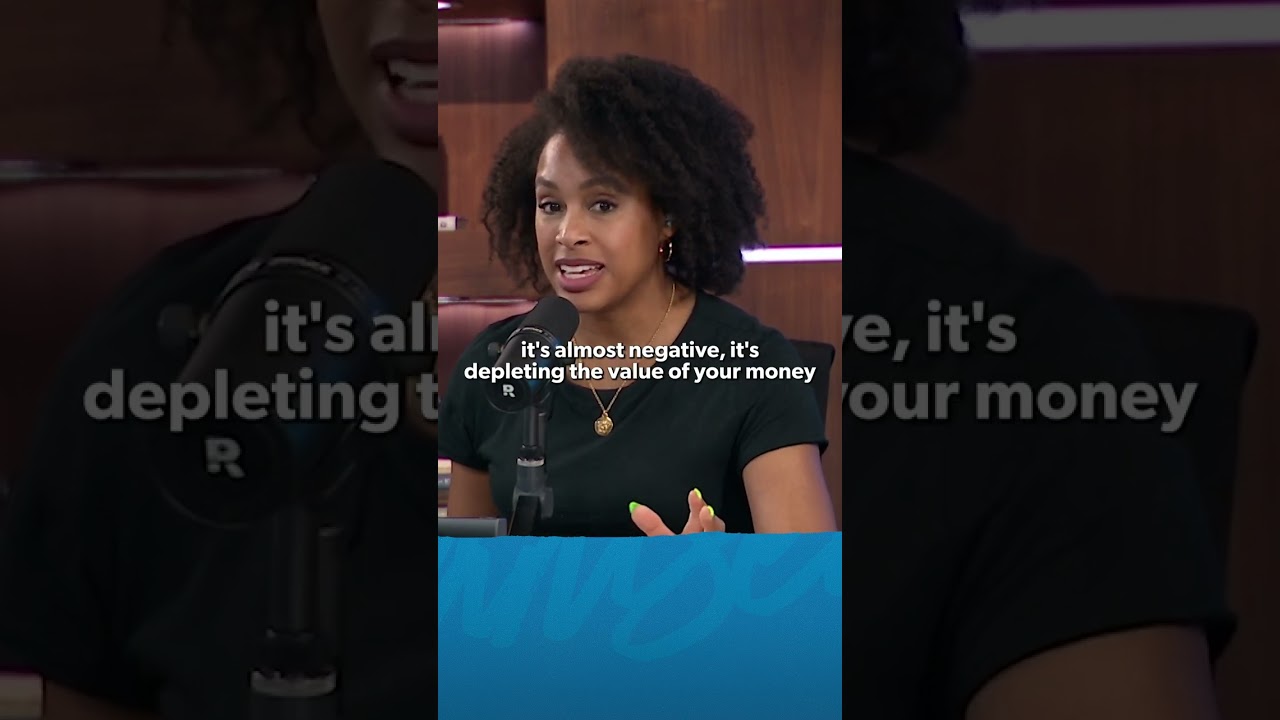
A core tenet of the advice is that money held as cash yields "zero compounding interest." The host stresses that, in fact, its value is "almost negative" because it is constantly being eroded by inflation. This contrasts sharply with the potential for wealth creation through strategic investment.
To illustrate the power of investing, the host projects that if Stewie were to take his $300,000 and "pop that... into an index fund," he could expect an "average annualized rate of return of around 10%." Under this scenario, Stewie's initial $300,000 would grow to "almost $2 million" in just 17 years, by the time he reaches 67 years old.
Listeners will walk away with a clear understanding of the financial dangers of hoarding cash, the critical role of compounding interest in wealth building, and a tangible example of how even a significant sum can grow exponentially when invested wisely over a reasonable timeframe, even starting later in life.
👤 Who Should Listen
- Individuals with significant cash savings or emergency funds not earning interest or invested.
- Anyone in their 40s or 50s who has yet to establish retirement investment accounts.
- Listeners curious about the direct impact of inflation on stagnant money.
- People seeking a clear explanation of compounding interest and its potential for wealth growth.
- Those looking for initial, practical steps to move cash into accessible investment vehicles like index funds.
🔑 Key Takeaways
- 1.Keeping large sums of cash, such as Stewie's $300,000, in a house poses significant risks, including potential loss, theft, and guaranteed value erosion from inflation.
- 2.Money held as cash yields "zero compounding interest," and its real value actively diminishes over time due to inflation, making its effective return "almost negative."
- 3.Individuals like Stewie, at age 50, have a limited but crucial window to build a substantial retirement nest egg, making immediate investment a high priority.
- 4.Investing in a "basic index fund" is presented as a reliable strategy that can yield an "average annualized rate of return of around 10%."
- 5.The power of compounding interest is substantial; for example, $300,000 invested at a 10% annual return could grow to "almost $2 million" in 17 years.
- 6.Delaying investment, especially as one approaches retirement, results in a significant opportunity cost by missing out on potential compound growth.
💡 Key Concepts Explained
Compounding Interest
Compounding interest is the process where the interest earned on an investment is reinvested, allowing it to earn interest itself, leading to exponential growth. The episode highlights that money kept at home has "zero compounding interest," while investing $300,000 at 10% could turn it into "almost $2 million" in 17 years.
Inflation
Inflation refers to the rate at which the general level of prices for goods and services is rising, causing the purchasing power of currency to fall. The episode emphasizes that keeping cash at home means its value is "almost negative" because "inflation" constantly depletes its purchasing power.
⚡ Actionable Takeaways
- →Evaluate any significant cash reserves currently stored outside of interest-bearing or investment accounts and consider immediate reallocation.
- →Begin investing consistently, even monthly amounts like Stewie's $500 to $1,000, to harness the power of compounding interest over time.
- →Research and consider a "basic index fund" as an accessible and effective starting point for long-term investment.
- →Calculate the potential future value of your current savings if invested at a projected annual return (e.g., 10%) to understand the lost opportunity of not investing.
- →If you are in your 40s or 50s and lack investment accounts, prioritize establishing them to maximize the remaining time for wealth accumulation before retirement.
⏱ Timeline Breakdown
💬 Notable Quotes
“I've got about $300,000 in my house.”
“When it's at home, there's zero compounding interest. As a matter of fact, it's almost negative. It's depleting the value of your money because inflation.”
“If we just popped that 300,000 into an index fund, just in 17 years, by the time you're 67, it would be almost $2 million.”
More from this guest
Stewie
Listen to Full Episode
📬 Get weekly summaries like this one
No spam. Unsubscribe anytime. By subscribing you agree to our Privacy Policy.
Continue Exploring


