Diary of a CEO
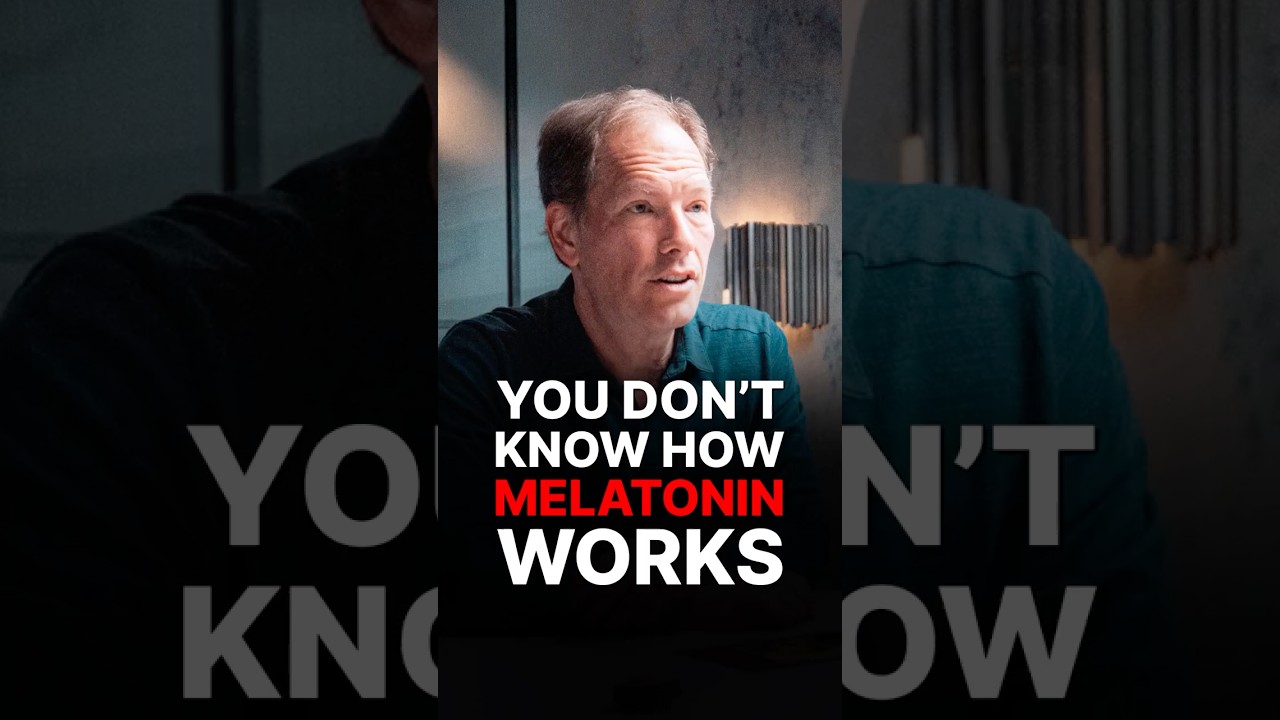
YOU DON'T KNOW HOW MELATONIN WORKS!
Episode Summary
AI-generated · Apr 2026AI-generated summary — may contain inaccuracies. Not a substitute for the full episode or professional advice.
This episode of Diary of a CEO dissects the widespread misconceptions surrounding melatonin, urging listeners to understand its true nature and potential risks. The speaker emphasizes that melatonin is a powerful hormone, not a benign supplement, affecting nearly 300 systems in the body. This distinction is crucial, as people wouldn't "willy-nilly grab a hormone" like testosterone or estrogen without medical guidance, yet they do so with melatonin [00:00].
A critical point highlighted is melatonin's significant interactions with common medications. It interacts with all SSRI antidepressants—such as Prozac, Zoloft, and Selexa—as well as birth control, blood pressure medication, and diabetes medication, a fact "nobody knows" [00:30]. Furthermore, the episode clarifies that melatonin functions as a "sleep regulator, not a sleep initiator." It affects "sleep rhythm" by signaling to the brain when it's time for bed, but "does not make you sleepy" or affect "sleep drive" [00:59].
The speaker strongly advises against giving melatonin to children, calling it "the dumbest idea I have heard in a long time." This is because it teaches children they "need a pill to sleep," and most children already produce up to four times the amount of melatonin their brain requires [01:10]. Dosage is also a major problem; while the appropriate dose is between half a milligram and one and a half milligrams (maxing out at three), common drugstore gummies are found in 10 and 20-milligram strengths. Overdosing on melatonin frequently leads to "crazy dreams," identified as the "number one side effect" [01:46].
Listeners will walk away with a fundamentally altered perspective on melatonin, equipped with specific knowledge about its hormonal nature, critical drug interactions, its role in sleep regulation versus initiation, and the dangers of its misuse, particularly in children and through excessive dosing. The episode strongly advocates for an informed and cautious approach to this commonly used supplement.
👤 Who Should Listen
- Anyone currently using melatonin for sleep or considering starting.
- Individuals taking SSRIs, birth control, blood pressure, or diabetes medication.
- Parents who have given or are considering giving melatonin to their children.
- Healthcare professionals advising patients on sleep supplements.
- People experiencing unusual or "crazy dreams" after taking melatonin.
- Consumers confused by the wide array of melatonin dosages available at drugstores.
🔑 Key Takeaways
- 1.Melatonin is a hormone, not a benign supplement, and affects nearly 300 different systems in the body, requiring a cautious approach similar to other hormones like testosterone or estrogen [00:00].
- 2.Melatonin significantly interacts with all SSRI antidepressants (like Prozac, Zoloft, Selexa), birth control, blood pressure, and diabetes medications, a fact that is not widely known [00:30].
- 3.Melatonin's primary function is to regulate sleep rhythm by signaling to the brain when it's time to go to bed; it does not initiate sleep or directly make you sleepy [00:59].
- 4.Giving melatonin to children is strongly discouraged, as it can teach dependence on pills for sleep, and most children naturally produce more than four times the amount their brain needs [01:10].
- 5.Over-the-counter melatonin dosages are often excessively high, with gummies found in 10-20 milligram strengths, far exceeding the appropriate range of 0.5 to 1.5 milligrams (maximum 3 milligrams) [01:46].
- 6.Experiencing "crazy dreams" is identified as the number one side effect of overdosing on melatonin [02:02].
💡 Key Concepts Explained
Melatonin as a Hormone
This concept redefines melatonin, moving it from a commonly perceived benign supplement to a powerful hormone that impacts nearly 300 bodily functions. The episode stresses that like other hormones (e.g., testosterone, estrogen), it should not be taken without understanding its broad systemic effects and potential interactions [00:00].
Sleep Regulator vs. Sleep Initiator
This distinction clarifies melatonin's actual function: it regulates the body's circadian rhythm by signaling to the brain when it's time for bed, rather than actively inducing drowsiness or making one feel sleepy. Understanding this helps manage expectations and prevent misuse for immediate sleep onset [00:59].
⚡ Actionable Takeaways
- →Understand that melatonin is a hormone with systemic effects, and avoid taking it "willy-nilly" without understanding its implications for your body [00:00].
- →Consult your doctor if you are taking SSRIs (e.g., Prozac, Zoloft), birth control, blood pressure, or diabetes medication before using melatonin due to significant interactions [00:30].
- →Recognize that melatonin regulates your sleep rhythm, it does not directly induce sleepiness, and adjust your expectations for its effects accordingly [00:59].
- →Do not give melatonin to children, as it can inadvertently teach them dependence on medication for sleep and is generally unnecessary [01:10].
- →If you choose to use melatonin, seek out appropriate dosages in the range of 0.5 to 1.5 milligrams, and avoid products exceeding 3 milligrams [01:46].
- →If you experience "crazy dreams" while taking melatonin, consider it a clear sign of overdose and reduce your dosage or discontinue use [02:02].
⏱ Timeline Breakdown
💬 Notable Quotes
“"Melatonin interacts with all SSRI medication... and nobody knows that it is." [00:30]”
“"Melatonin is a sleep regulator, not a sleep initiator. Melatonin doesn't affect sleep drive. Melatonin affects sleep rhythm." [00:59]”
“"That is the dumbest idea I have heard in a long time because you just taught your child that they need a pill to sleep." [01:10]”
“"Number one side effect of overdosing on melatonin is crazy dreams." [02:02]”
Listen to Full Episode
📬 Get weekly summaries like this one
No spam. Unsubscribe anytime. By subscribing you agree to our Privacy Policy.
Continue Exploring