The Knowledge Project
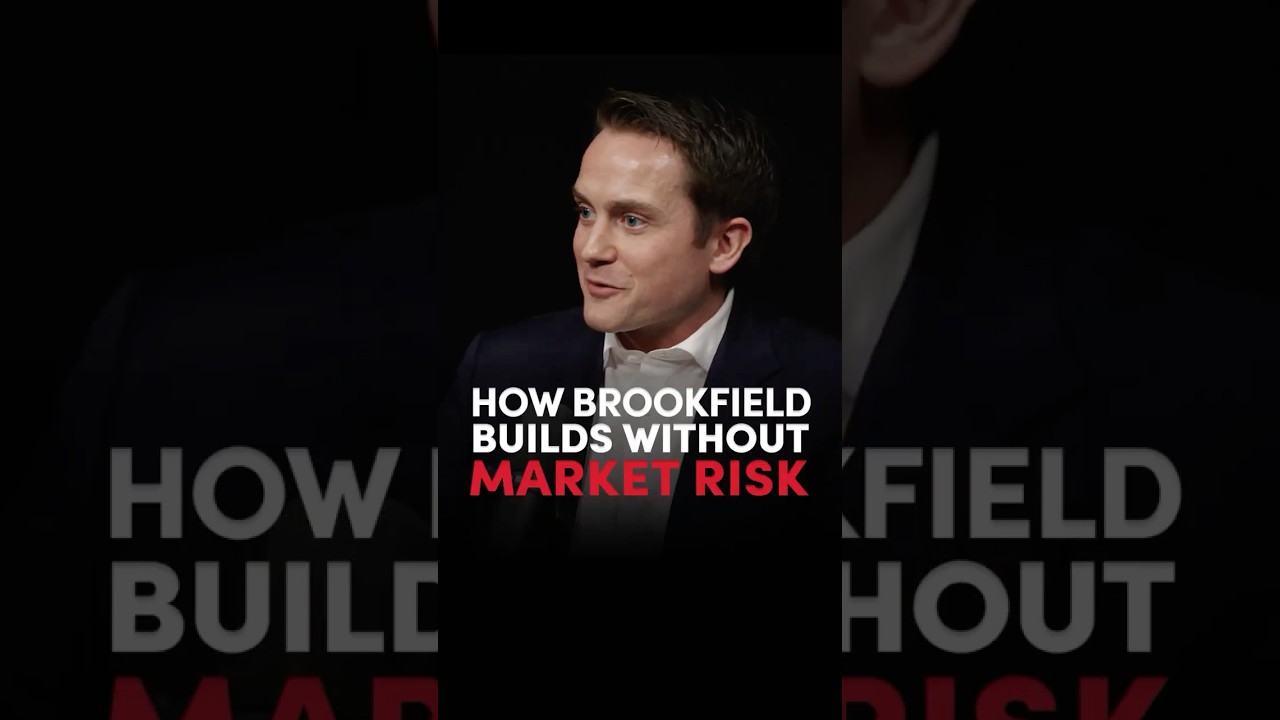
Brookfield's C.E.O. on Why They Lock In Everything Before Breaking Ground
Episode Summary
AI-generated · Apr 2026AI-generated summary — may contain inaccuracies. Not a substitute for the full episode or professional advice.
The C.E.O. of Brookfield reveals the company's highly disciplined and de-risked strategy for deploying significant capital in large-scale development projects, particularly in renewable energy, real estate, data centers, and gigafactories. The core thesis centers on a principle of locking in all critical financial and operational contracts before any capital is put into the ground.
For any new project, such as a solar farm, Brookfield identifies four key drivers of the ultimate return: construction cost, revenue off-take (via a power purchase agreement), the EPC (Engineering, Procurement, and Construction) contract, and financing. The crucial step is securing all four of these contracts simultaneously before breaking ground.
This concurrent locking-in strategy serves to profoundly de-risk projects against various market volatilities. For instance, by securing long-term financing, the project becomes insulated from future interest rate fluctuations. Similarly, a long-term contracted revenue price protects against power price swings, and a locked-in CapEx contract hedges against inflation. This meticulous planning ensures that, once these four elements are secured, the project's financial outcome is largely predetermined, allowing for predictable execution.
Brookfield applies this repeatable business model broadly across its diverse portfolio. Beyond renewable power plants, the same approach is utilized in real estate developments, the construction of data centers, and gigafactories, often backed by long-term contracts with hyperscalers or sovereign off-takers. The company states it is comfortable taking on operating and development risk, where it possesses expertise, but actively structures projects to eliminate market risk.
Listeners will gain insight into a rigorous framework for large-scale capital project development, understanding how a leading global asset manager systematically de-risks complex investments to ensure predictable returns and robust long-term growth.
👤 Who Should Listen
- Project developers and managers in energy, real estate, and infrastructure
- Infrastructure investors and capital allocators
- CFOs and financial strategists managing large-scale projects
- Business leaders focused on risk mitigation and long-term planning
- Entrepreneurs contemplating capital-intensive ventures
- Anyone interested in how major companies de-risk large investments
🔑 Key Takeaways
- 1.Brookfield's core strategy for large-scale projects involves locking in four key contracts—CapEx, off-take, EPC, and financing—all at once before putting any capital in the ground.
- 2.This pre-construction contract locking strategy insulates projects from external market risks, including interest rate fluctuations, changes in power prices, and inflation.
- 3.The four critical drivers determining the end return of a renewable power plant are construction cost, revenue off-take (power purchase agreement), EPC contract, and financing.
- 4.By securing these four elements simultaneously, Brookfield creates a predictable financial outcome for its projects regardless of future market movements.
- 5.The disciplined approach of locking in contracts is a repeatable business model applied across renewable energy, real estate, data centers, and gigafactory developments.
- 6.Brookfield deliberately takes on operating and development risk where it has expertise, while actively de-risking against broader market uncertainties through contractual agreements.
💡 Key Concepts Explained
Contract Locking Strategy
This is Brookfield's method of securing all critical contracts—capital expenditure, revenue off-take, EPC (Engineering, Procurement, and Construction), and financing—at once, prior to breaking ground on a project. It is presented as a fundamental way to de-risk large-scale developments from market fluctuations in interest rates, power prices, and inflation.
⚡ Actionable Takeaways
- →Before committing significant capital to any new project, identify the core drivers of your potential return and secure long-term contracts for each.
- →Emulate Brookfield's method by simultaneously locking in capital expenditure, revenue off-take, execution (EPC-like), and financing agreements to mitigate market volatility.
- →Structure your projects to de-risk against external factors such as interest rate shifts, price fluctuations for your output, and inflationary pressures.
- →Focus your organizational expertise on managing operational and development risks, while strategically eliminating market risk through contractual agreements.
- →Apply a systematic, repeatable business model to project development across different sectors to ensure consistency in de-risking and execution.
⏱ Timeline Breakdown
💬 Notable Quotes
“Whenever we build a new project, we do not like to put capital in the ground unless we lock in our CapEx contract, our off-take contract, our EPC contract, and our financing contract all at once.”
“If you lock in those four things and you execute, it doesn't matter if interest rates go up or down, you've locked in long-term financing. It doesn't matter if power prices go up or down, you've locked in a long-term contracted revenue price. It doesn't matter if inflation goes up or down, you've locked in your CapEx.”
Listen to Full Episode
📬 Get weekly summaries like this one
No spam. Unsubscribe anytime. By subscribing you agree to our Privacy Policy.
Continue Exploring


