The Knowledge Project
Morgan Housel: Honest About The Odds
Episode Summary
AI-generated · Apr 2026AI-generated summary — may contain inaccuracies. Not a substitute for the full episode or professional advice.
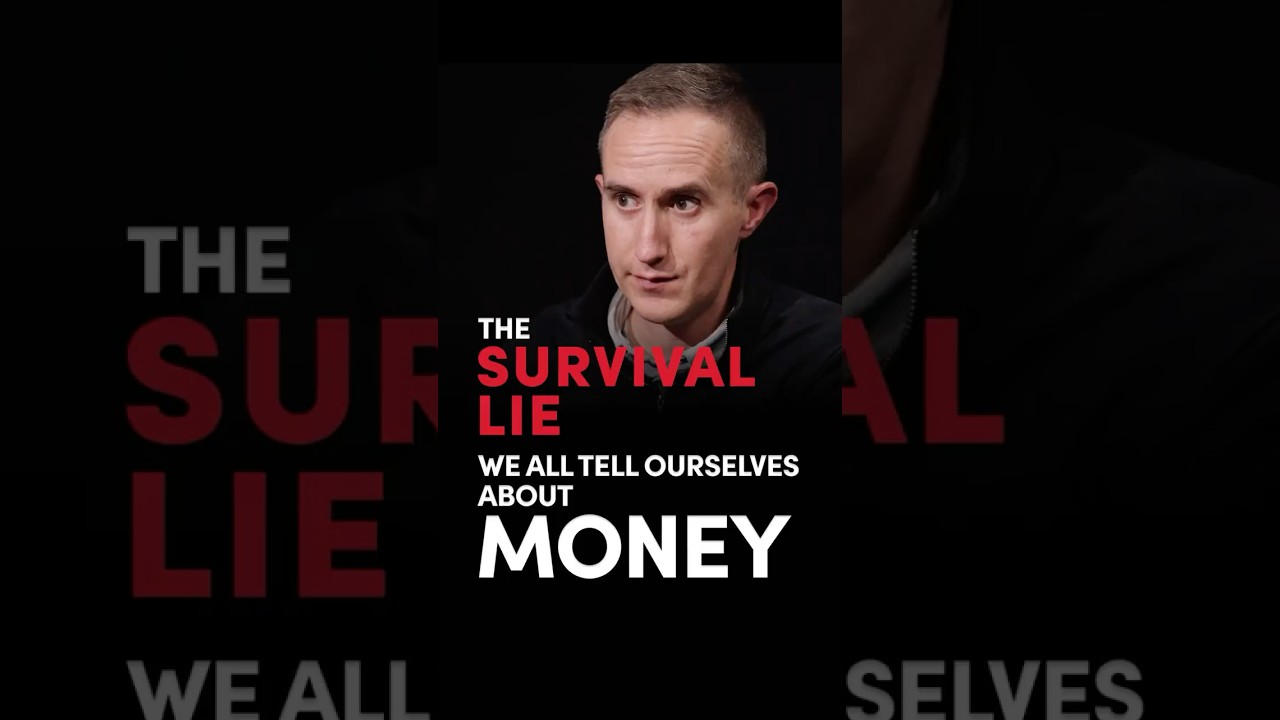
In this episode, acclaimed financial author Morgan Housel dives into a fundamental aspect of human psychology that profoundly impacts our financial and psychological well-being. Housel posits that as a core survival mechanism, humans are inherently wired to underestimate the odds of adverse events occurring in their lives. He argues that if we were truly honest about the probabilities of setbacks like divorce, job loss, children not meeting expectations, or failing to save for retirement, the sheer weight of these possibilities would be too overwhelming to face daily.
Housel suggests there's an "almost healthy amount of ignorance" that allows individuals to function, operating under the assumption that "that's not going to happen to me." While this optimism enables daily life, it simultaneously creates a significant blind spot regarding preparation for future challenges.
The core insight of the conversation is the necessity of building robust financial and psychological independence as a direct countermeasure to this innate underestimation of risk. Housel particularly emphasizes financial independence, advocating for a level of savings and liquidity that might initially seem "completely excessive."
He challenges the listener to consider that what appears to be an overly cautious amount of savings is, in reality, a prudent and necessary buffer. This is because, despite our best intentions, we are likely consistently underestimating the true odds of very bad things happening.
Ultimately, Housel encourages listeners to re-evaluate their perception of risk and their financial readiness, urging them to proactively build substantial financial reserves to safeguard against the inevitable and often underestimated adversities of life.
👤 Who Should Listen
- Anyone interested in the psychological biases that influence financial decision-making.
- Individuals planning for long-term financial stability and retirement.
- People seeking practical strategies to build resilience against life's uncertainties.
- Listeners who tend to be overly optimistic about future personal or financial outcomes.
- Those evaluating their current savings, emergency funds, and overall financial preparedness.
🔑 Key Takeaways
- 1.Humans underestimate the odds of bad events as a "survival mechanism" to avoid being overwhelmed and function daily.
- 2.This "healthy amount of ignorance" about negative probabilities applies to diverse life areas, including divorce, job loss, children's outcomes, and retirement savings.
- 3.Being truly honest about the odds of adverse events would make it "too hard to get out of bed in the morning" for most people.
- 4.Because people inherently underestimate negative odds, cultivating a high degree of financial and psychological independence is crucial.
- 5.It is important to build a level of savings and liquidity that might initially seem "completely excessive" to hedge against these underestimated risks.
- 6.This seemingly excessive financial buffer is likely necessary because individuals are generally underestimating the true odds of very bad things happening in their future.
💡 Key Concepts Explained
The Survival Mechanism of Underestimating Bad Odds
This concept posits that humans inherently underestimate the likelihood of negative life events—like divorce, job loss, or financial struggles—as a psychological survival mechanism. The episode argues that being fully honest about these probabilities would be too overwhelming to function daily, leading to a "healthy amount of ignorance."
Excessive Financial Independence
As a direct countermeasure to the tendency to underestimate bad odds, the episode advocates for cultivating a level of financial savings and liquidity that appears "completely excessive." This buffer is presented as essential for psychological and financial independence, providing resilience against unforeseen and often underestimated future challenges.
⚡ Actionable Takeaways
- →Assess your current financial independence and actively work to increase it, understanding that your natural optimism might lead to under-preparation.
- →Build a level of savings and liquidity that feels "excessive" to you, as this likely represents a more realistic buffer against future uncertainties.
- →Reflect on potential negative life events, such as job loss or unexpected expenses, and actively plan for their financial and psychological impact.
- →Confront your natural tendency to dismiss potential negative outcomes in your personal and financial life.
- →Prioritize robust financial resilience, acknowledging that our inherent human psychology often leads us to underestimate future challenges.
⏱ Timeline Breakdown
💬 Notable Quotes
“I think as a survival mechanism, we underestimate the odds of bad things happening to us. Because if we were if we were honest about the odds of it happening, it'd be too hard to get out of bed in the morning.”
“There is a a pro there is a almost healthy amount of ignorance that we have of of being like yeah but that's not going to happen to me.”
“I think it is a very important to financially and psychologically have a level of independence. So just focusing on the financial independence a level of savings that seems like it's too much that seems like oh this is completely excessive. Do I need this much savings and liquidity? The answer might be yes because you're probably underestimating the odds of very bad things happening in your”
More from this guest
Morgan Housel
Listen to Full Episode
📬 Get weekly summaries like this one
No spam. Unsubscribe anytime. By subscribing you agree to our Privacy Policy.
Continue Exploring


