Modern Wisdom
Ellen Learns Some Manners
Episode Summary
AI-generated · Apr 2026AI-generated summary — may contain inaccuracies. Not a substitute for the full episode or professional advice.
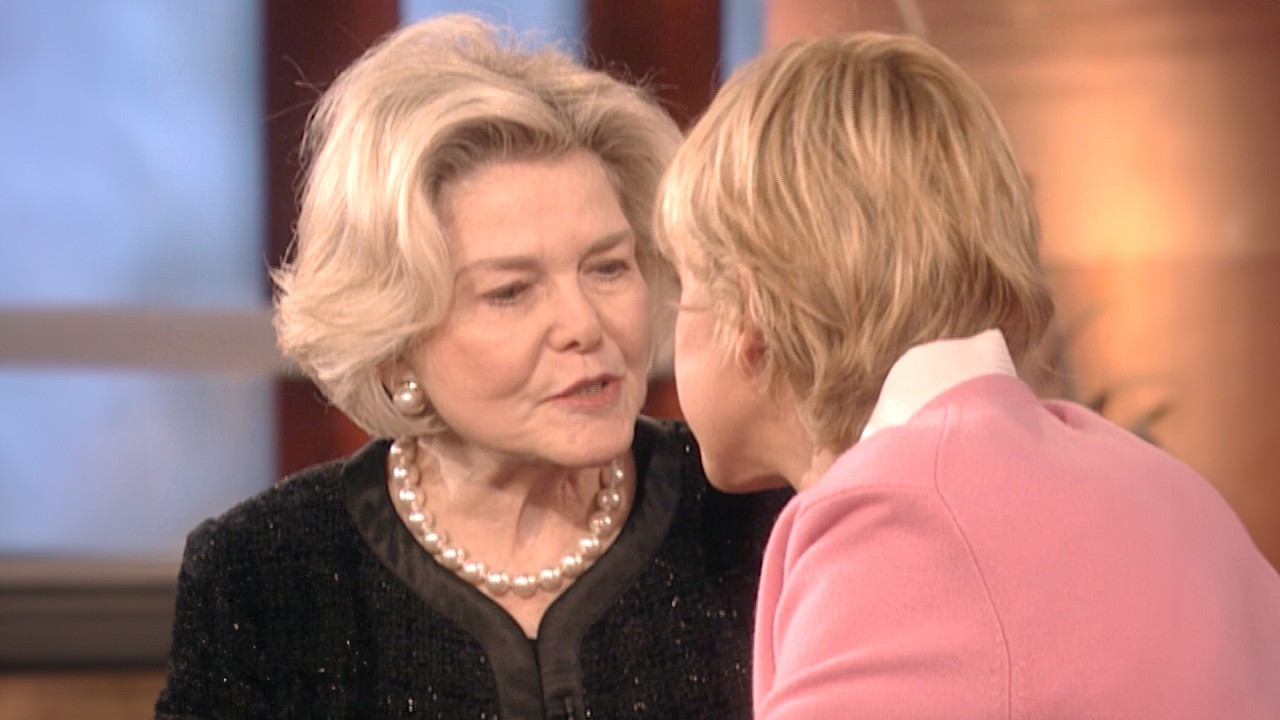
Dorothia, an expert in social graces, joins the host (implied to be "Ellen" from the episode title) to offer practical, on-the-spot advice for navigating common and often awkward social dilemmas, particularly within high-stakes environments like celebrity parties. The episode focuses on equipping listeners with the confidence to handle situations ranging from forgotten names to personal space boundaries, ensuring they can interact with poise and respect.
Dorothia tackles the perennial problem of forgotten names, advising that "it is perfectly acceptable to say, 'Please tell me your name'" (00:39), suggesting listeners try to associate names with something memorable, like Alfred Hitchcock. She also outlines clear rules for joining conversations, emphasizing the importance of observing body language and waiting for a natural lull, especially if people are in a "deep conversation" (01:52), to avoid interruption.
The conversation moves to delicate situations, such as discreetly informing someone about food on their face. Dorothia recommends a subtle gesture first, but if that fails, to pull them aside and privately inform them "in the spirit of friendship" (03:19), perhaps even offering to walk them to a restroom.
A significant portion of the discussion is dedicated to the nuanced topic of personal space. Dorothia highlights the critical role of culture, explaining that while some cultures, like Mediterranean and Middle Eastern, stand very close and consider backing away "highly insulting" (04:36), others, such as English and Japanese, maintain greater distance. She shares her personal experience of learning not to back away while working in Washington D.C., and offers a graceful exit strategy for overly uncomfortable proximity: "It's just been lovely talking to you" (05:14).
Listeners will walk away with a refined toolkit for improving their social dexterity, armed with specific phrases and observational strategies to handle everything from remembering a VIP's name to maintaining cultural sensitivity in close-quarter interactions, ultimately fostering more comfortable and respectful social engagements.
👤 Who Should Listen
- Anyone looking to improve their social skills and etiquette.
- Individuals who frequently attend social gatherings, parties, or networking events.
- People who struggle with remembering names or initiating conversations.
- Professionals who interact with individuals from diverse cultural backgrounds.
- Anyone seeking graceful ways to navigate potentially awkward social situations.
🔑 Key Takeaways
- 1.It is perfectly acceptable to ask someone to remind you of their name, especially if you can link it to something memorable for retention.
- 2.When attempting to join a conversation, observe the participants' body language and wait for a natural lull, avoiding deep discussions.
- 3.To discreetly inform someone about food on their face, first try a subtle gesture, then privately pull them aside "in the spirit of friendship" if necessary.
- 4.Personal space norms are culturally diverse; Mediterranean and Middle Eastern cultures tend to stand closer, while English and Japanese cultures prefer more distance, and backing away can be seen as insulting.
- 5.If conversational proximity becomes too uncomfortable, a polite way to end the interaction is to say, "It's just been lovely talking to you."
💡 Key Concepts Explained
Cultural Differences in Personal Space
This concept highlights how acceptable proximity during conversation varies significantly across different cultures. The episode explains that Mediterranean and Middle Eastern cultures typically stand very close, considering it a sign of connection and finding it "highly insulting" if someone backs away, whereas English and Japanese cultures prefer more distance. Understanding these norms is crucial for respectful and effective communication in diverse social settings.
⚡ Actionable Takeaways
- →When you forget a name, directly ask, "Please tell me your name" rather than trying to guess or avoid the issue (00:39).
- →To help remember names, try to associate them with a memorable reference, such as the Alfred Hitchcock example (00:32).
- →Before attempting to join a conversation, watch for body language cues and wait for a pause or lull in the discussion (01:46).
- →If someone has food on their face, subtly gesture to your own face first; if they don't get the hint, pull them aside privately and inform them "in the spirit of friendship" (02:44, 03:19).
- →Be mindful of cultural differences in personal space; recognize that standing close is a sign of respect in some cultures and backing away can be perceived as an insult (04:06, 04:36).
- →If an interaction's proximity becomes too uncomfortable, gracefully end the conversation by stating, "It's just been lovely talking to you" (05:14).
⏱ Timeline Breakdown
💬 Notable Quotes
“It is perfectly acceptable to say, 'Please tell me your name.'”
“The rule of thumb is if two people are in deep conversation, keep away.”
“In the spirit of friendship, [name], you've got a little spinach on your [tooth/face].”
“Many cultures do stand very close when they're talking. [...] it is highly insulting and they feel they cannot really communicate with you unless they are quite close.”
More from this guest
Dorothia
Listen to Full Episode
📬 Get weekly summaries like this one
No spam. Unsubscribe anytime. By subscribing you agree to our Privacy Policy.
Continue Exploring


