Modern Wisdom
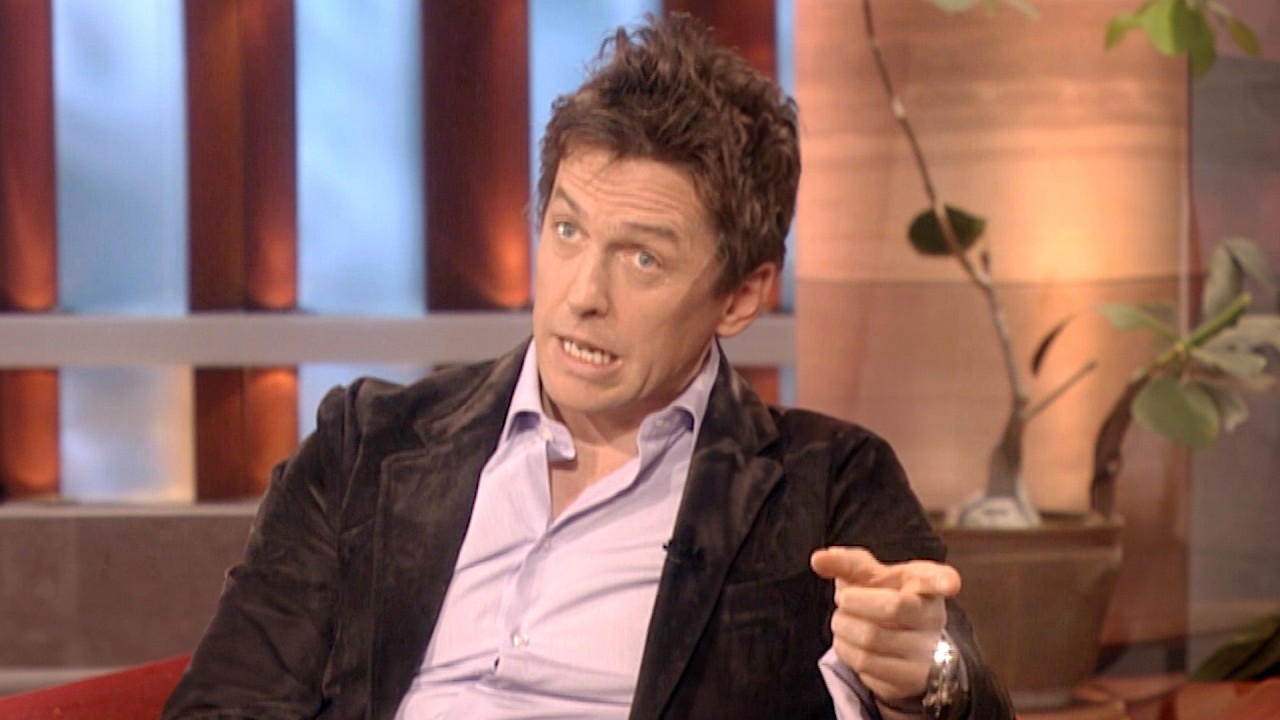
Hugh Grant Thinks Ellen Is Insane
Episode Summary
AI-generated · Apr 2026AI-generated summary — may contain inaccuracies. Not a substitute for the full episode or professional advice.
In this candid and humorous interview, beloved British actor Hugh Grant sits down with Ellen to discuss his career, his aversion to work, and the behind-the-scenes making of his film "Music and Lyrics." Known for his self-deprecating wit, Grant immediately sets a playful tone by calling Ellen "insane" and her show "barking mad," in what becomes a revealing conversation about the realities of Hollywood and personal fulfillment. He offers a refreshingly honest perspective on the less glamorous aspects of his profession, contrasting the tedium of acting with the satisfaction of a finished product.
Grant confesses to a deep-seated laziness that has led him to prioritize holidays over work, admitting he's been saying he'll quit acting for two decades. He draws a clear distinction between the drudgery of "actual acting," which involves long periods of waiting, and the gratifying experience of "having acted," which brings a sense of achievement when an audience responds positively to the work. This insight highlights a common sentiment among performers who find the process less appealing than the final outcome.
The conversation delves into the challenges of his role in "Music and Lyrics," where he had to learn new skills. Grant humorously recounts his struggle with dancing, admitting he needed a combination of whiskey and tranquilizers just to loosen up on set. He also shares his journey of learning to play the piano and sing for the film, a task he initially dreaded but grew to enjoy, crediting modern audio technology for boosting his confidence by correcting flat notes. This adaptive approach underscores how technological advancements can empower performers.
Beyond the film, Grant offers a sharp, funny assessment of working with co-star Drew Barrymore, describing her as the "exact traverse" of himself. He jokingly prides himself on having "brought her down" rather than the other way around, making her "miserable." He also pokes fun at the age difference between their characters, suggesting audiences might initially find their on-screen pairing "disgusting." The episode concludes with a lighthearted exchange, cementing Grant's persona as an endearing, unconventional star.
👤 Who Should Listen
- Fans of Hugh Grant's films and his distinctive, self-deprecating humor.
- Aspiring actors curious about the less glamorous, often tedious aspects of film production.
- Anyone interested in celebrity candidness and the personal experiences behind movie roles.
- Individuals pondering work-life balance and the appeal of prioritizing leisure over career demands.
- Listeners who enjoy lighthearted, humorous conversations with famous personalities.
- People curious about the behind-the-scenes process of learning new skills for acting roles.
🔑 Key Takeaways
- 1.Hugh Grant openly admits to being lazy and prefers frequent holidays over working, joking that he's been threatening to quit acting for 20 years.
- 2.He distinguishes between the "tedious" process of "actual acting" and the gratifying sense of achievement derived from "having acted" when a project is complete.
- 3.Grant found dancing for his film "Music and Lyrics" so difficult that he resorted to consuming whiskey and tranquilizers to perform.
- 4.He learned to play piano and sing for the movie, noting that modern computer technology can correct flat notes, which helped build his confidence in singing.
- 5.Grant candidly described Ellen's talk show as "barking mad" and "frightening," expressing confusion over the audience's spontaneous dancing.
- 6.He humorously claimed to have "brought down" his co-star Drew Barrymore in "Music and Lyrics," stating, "I made her miserable."
- 7.Grant self-deprecatingly commented on his age difference with Drew Barrymore in the film, suggesting their on-screen romance might appear "disgusting" to viewers.
💡 Key Concepts Explained
The Pleasure of 'Having Acted' vs. 'Actual Acting'
Hugh Grant describes a distinction between the laborious, often tedious experience of "actual acting," which involves long waits on set, and the gratifying feeling of "having acted," which comes from seeing the final product resonate with an audience and delivering a sense of achievement. He expresses a strong preference for the latter, finding more satisfaction in the outcome than the process itself.
⚡ Actionable Takeaways
- →Prioritize periods of rest and leisure if you find joy in not working, as Grant advocates for his love of frequent vacations (03:01).
- →Identify what aspects of a project or goal bring you the most satisfaction, focusing on those rewarding elements rather than solely on the arduous process (03:30).
- →Be open to unconventional methods or aids if they help you overcome performance anxieties or creative blocks, as Grant did with whiskey and tranquilizers for dancing (05:04).
- →Leverage available technology to improve your skills and boost confidence in new areas, like Grant utilizing audio tweaking for his singing (07:05).
- →Maintain a sense of humor and candidness about personal challenges and working relationships, even if it involves self-deprecation or playful jabs (08:05).
⏱ Timeline Breakdown
💬 Notable Quotes
“"You look quite mad actually. I'll say that. When I say mad in the English sense by I mean insane." (01:10)”
“"I like having acted. I don't like the actual acting, but I love having acted." (03:30)”
“"It's barking mad. I've never seen anything like it. What's that dancing about? What's that for?" (04:02)”
“"I brought her down. I'm quite proud of that. Yeah. I made her miserable." (referring to Drew Barrymore) (08:05)”
More from this guest
Hugh Grant
Listen to Full Episode
📬 Get weekly summaries like this one
No spam. Unsubscribe anytime. By subscribing you agree to our Privacy Policy.
Continue Exploring