Valuetainment
Here's the Latest Tax the Rich Proposal from Mamdani

Episode Summary
AI-generated · Apr 2026AI-generated summary — may contain inaccuracies. Not a substitute for the full episode or professional advice.
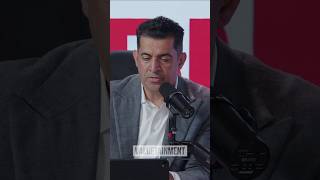
Patrick Bet-David opens by presenting a debate surrounding a new tax proposal in New York City, framing it as an example of how "bad policies pushes good people away from your city." The episode focuses on a clip from New York City Mayor (misidentified by the host as Mondaire Mamdani, who is actually a US Representative) introducing a "pied-à-terre tax" and the subsequent response from hedge fund CEO Ken Griffin, whose $238 million penthouse is specifically cited as an example of the tax's target.
The proposed "pied-à-terre tax" is described as an annual fee on luxury properties valued at over $5 million, specifically targeting owners who do not reside full-time in the city. The mayor asserts this tax is designed for "the richest of the rich" who store their wealth in New York City real estate without actually living there, benefiting from property ownership in a world-class city while often leaving units empty. This system is deemed "fundamentally unfair" to "working New Yorkers.
The mayor claims the tax will generate at least $500 million for the city, earmarked to fund essential services such as free childcare, cleaner streets, and safer neighborhoods. He emphasizes that everyone has a role in contributing to the city, with some having "a little bit more than others."
Bet-David highlights the immediate negative reaction from figures like Ken Griffin, who, upon learning of the proposal, reportedly responded by indicating he would consider "pulling away from New York." This sets up the central tension: the city's attempt to redistribute wealth through taxation versus the potential flight of capital and wealthy residents.
Listeners will gain insight into the political and economic arguments surrounding wealth taxation on luxury real estate, particularly the "tax the rich" debate in major urban centers. The episode illustrates the perceived benefits of such taxes for public services against the risk of driving away high-net-worth individuals and their financial contributions to the local economy, prompting reflection on the balance between social equity and economic competitiveness.
👤 Who Should Listen
- New York City residents interested in local tax policies and urban economics
- Real estate investors and developers tracking changes in luxury property taxation
- Policymakers and urban planners studying wealth redistribution and its effects on cities
- Anyone concerned with the economic implications of 'tax the rich' proposals
- Individuals interested in the dynamics of wealth flight versus public service funding
- Students of political economy and urban studies
🔑 Key Takeaways
- 1.New York City is proposing a "pied-à-terre tax" targeting luxury properties valued over $5 million owned by individuals who do not live full-time in the city.
- 2.The tax is specifically designed for the "richest of the rich" who use New York City real estate to store wealth without being full-time residents.
- 3.One notable example cited by the mayor for this tax is hedge fund CEO Ken Griffin's $238 million penthouse.
- 4.The mayor projects the pied-à-terre tax will raise at least $500 million annually to fund city services like free childcare, cleaner streets, and safer neighborhoods.
- 5.The host suggests that such "bad policies" risk pushing wealthy individuals and their investments away from the city, citing Ken Griffin's reported response of threatening to pull away from New York.
- 6.The tax aims to address a "fundamentally unfair system" where empty luxury units owned by non-residents do not adequately contribute to the city's well-being despite reaping financial rewards.
💡 Key Concepts Explained
Pied-à-terre tax
This is an annual fee proposed in New York City on luxury properties valued over $5 million, specifically applied to owners who do not live full-time in the city. The episode presents it as a mechanism to tax the wealthy who use NYC real estate as a form of wealth storage without contributing to the city as full-time residents.
Wealth Storage in Real Estate
This concept refers to the practice of high-net-worth individuals purchasing luxury real estate primarily as an investment or a way to store wealth, rather than as a primary residence. The episode highlights this as a target for the pied-à-terre tax, arguing that these properties often sit empty while their owners reap financial rewards from the market without fully contributing to the local economy or community.
⚡ Actionable Takeaways
- →Evaluate the potential economic impact of new tax proposals on real estate markets and investment decisions in urban centers.
- →Understand the specific mechanisms of proposed wealth taxes, such as the "pied-à-terre tax," to analyze their intended beneficiaries and targets.
- →Research the arguments presented by both proponents and opponents of "tax the rich" policies to form a comprehensive view.
- →Consider how local tax policies might influence the migration of high-net-worth individuals and their capital.
- →Examine the stated goals of new tax revenue allocations, such as funding for childcare and public safety, to assess their potential societal benefits.
⏱ Timeline Breakdown
💬 Notable Quotes
“"We are no longer going to let billionaires having penthouses here that they no longer live in. And here's what we're going to do. We're going to tax the rich on second properties that they have."”
“"Hey, no problem. You think that's a lot of money for me? Watch what I'm pulling away from New York."”
“"This pied-à-terre tax is specifically designed for the richest of the rich, those who store their wealth in New York City real estate, but who don't actually live here."”
“"This is a fundamentally unfair system that hurts working New Yorkers."”
Listen to Full Episode
📬 Get weekly summaries like this one
No spam. Unsubscribe anytime. By subscribing you agree to our Privacy Policy.
Continue Exploring