Valuetainment
NATO Says No To U.S. Military Action Against Iran
Episode Summary
AI-generated · Apr 2026AI-generated summary — may contain inaccuracies. Not a substitute for the full episode or professional advice.
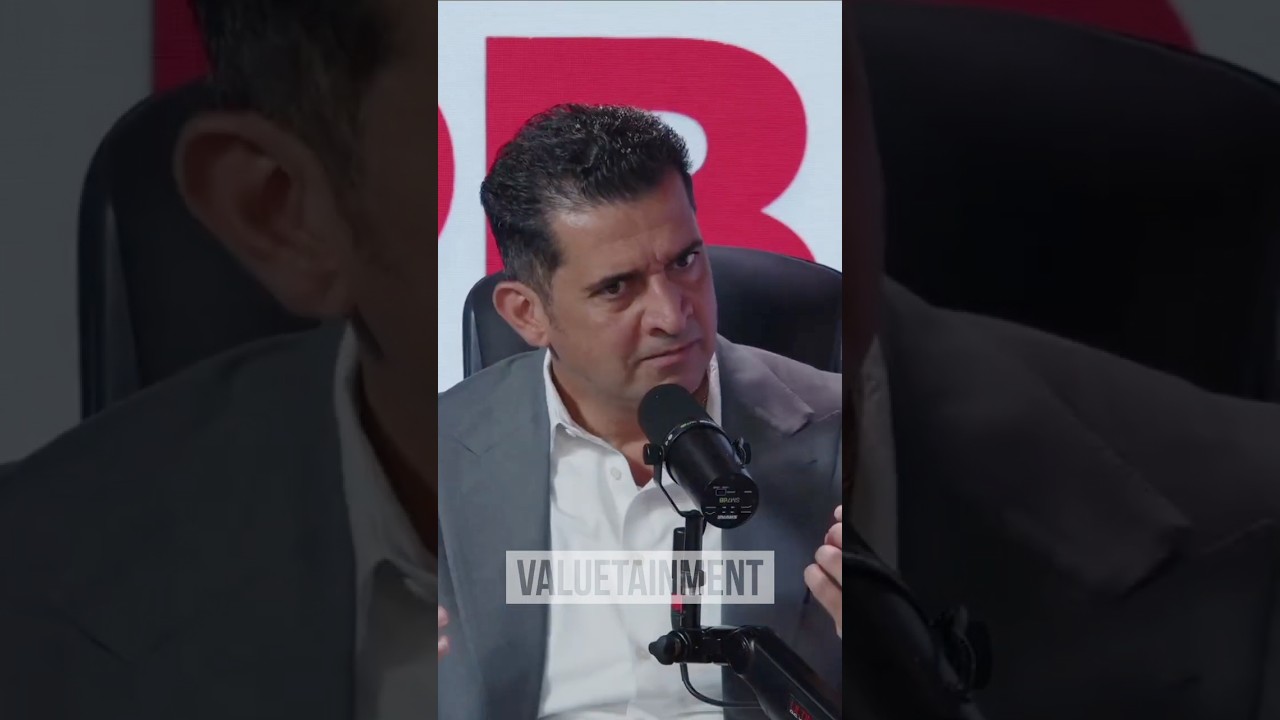
This Valuetainment episode critiques NATO's decision to outright reject U.S. military action against Iran, framing it as a significant missed opportunity for strategic negotiation rather than a wise move. The speaker, presumably Patrick Bet-David, outlines a specific, counterintuitive approach that NATO countries could have employed to leverage the situation for their own benefit.
Instead of a simple refusal, the speaker suggests NATO allies should have approached the U.S. President with conditional support. He proposes a scenario where NATO countries declare, "Mr. President, we are absolutely with you. We all have your back with one reasoning. What's that? We want to make one ask."
This crucial "ask" would be an economic demand: that the U.S. "cannot raise tariffs above 10% the next 24 months," requiring them to "go back to these following levels." The speaker argues that offering military solidarity in exchange for specific, favorable trade policies would have created a win-win scenario, acknowledging the economic "cost to us" of military action.
By turning their potential military cooperation into a bargaining chip, NATO could have secured tangible economic concessions. The speaker emphasizes that this approach transforms a flat "no" into a powerful negotiation tactic, allowing allies to advance their own interests while still potentially addressing U.S. concerns.
Listeners will gain insight into a proactive dealmaking framework applicable to complex international relations, learning how to identify and leverage opportunities for negotiation even in high-stakes political scenarios to achieve mutually beneficial outcomes.
👤 Who Should Listen
- Anyone interested in international relations and geopolitical strategy
- Listeners curious about negotiation tactics applied to high-stakes diplomacy
- Individuals who want to understand the interplay between military alliances and economic policy
- People looking for alternative perspectives on global political decisions
- Decision-makers seeking frameworks for conditional agreements and leverage in complex scenarios
🔑 Key Takeaways
- 1.NATO's direct refusal to support U.S. military action against Iran is characterized as a 'dumb move' and a significant missed negotiation opportunity.
- 2.The speaker advocates for a strategy of conditional support, where military backing from allies is offered in exchange for specific economic concessions.
- 3.A concrete proposal involves NATO countries demanding that the U.S. commit to not raising tariffs above 10% for the next 24 months, reverting to previous levels.
- 4.This negotiation tactic leverages the 'cost' of military action for NATO as a means to secure more favorable trade terms from the U.S.
- 5.Effective dealmaking in international relations involves reframing outright rejections into opportunities for reciprocal benefit and strategic bargaining.
- 6.The proposed framework suggests identifying what the other party wants (e.g., military support) and linking it to a specific demand (e.g., tariff caps) to create leverage.
💡 Key Concepts Explained
Conditional Diplomacy & Economic Leverage
This framework suggests that international alliances and cooperation, even on critical military issues, can be strategically leveraged for economic negotiation. The episode presents this as a method for allied nations to secure favorable trade terms, such as specific tariff caps (e.g., 10% for 24 months), by offering their military support to a leading power.
⚡ Actionable Takeaways
- →When facing a request, identify potential leverage points by considering the other party's needs and what you can offer conditionally.
- →Instead of an outright 'no,' explore how to transform your refusal into a 'yes, if' proposition that benefits your own interests.
- →Specify your demands with concrete numbers and timeframes, such as '10% tariffs' and '24 months,' to ensure clarity in negotiations.
- →Frame your counter-offer as a collaborative partnership, stating 'we're all in, if you do this,' to encourage mutual agreement.
- →Actively look for opportunities to negotiate and extract value even in situations where a simple rejection seems the easiest path.
- →Calculate the 'cost' or sacrifice involved in supporting another party and use it as a basis for demanding a reciprocal concession.
⏱ Timeline Breakdown
💬 Notable Quotes
“I think this is a dumb move because a part of this that they can use as leverage is the following way.”
“Mr. President, we are absolutely with you. We all have your back with one reasoning. What's that? We want to make one ask. You cannot raise tariffs above 10% the next 24 months. Go back to these following levels. If you do this, cuz this is going to be a cost to us. If you're willing to do this, we're all in. What would you like to do? This is an opportunity for them to negotiate.”
Listen to Full Episode
📬 Get weekly summaries like this one
No spam. Unsubscribe anytime. By subscribing you agree to our Privacy Policy.
Continue Exploring