Valuetainment
What Do Democrats Stand For?
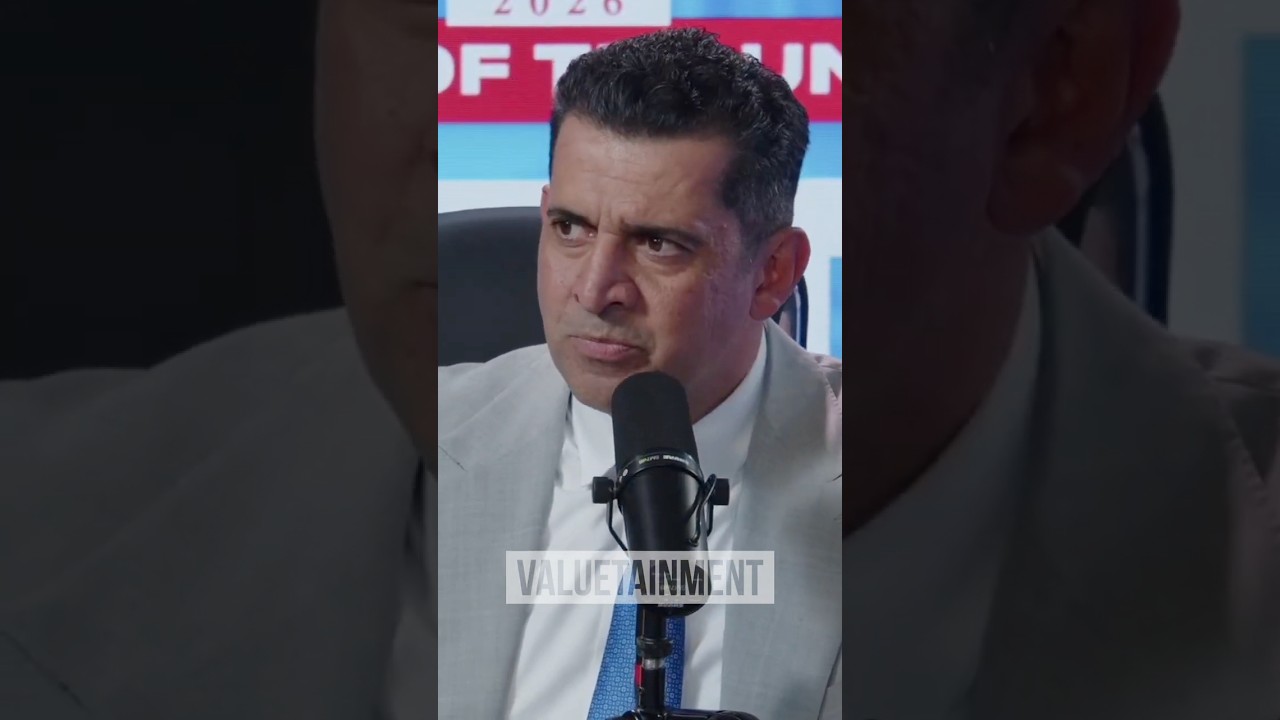
Episode Summary
AI-generated · Apr 2026AI-generated summary — may contain inaccuracies. Not a substitute for the full episode or professional advice.
The Valuetainment host opens this episode by critically assessing the current communication strategy of the Democratic Party. He contends that the party's primary approach is to define itself by what it opposes rather than articulating a clear, positive vision of what it stands for, a tactic he believes is ultimately detrimental to its long-term success.
Drawing a sharp analogy, the host compares this political messaging to the behavior of disgruntled employees who quit or are fired from a company. He observes that such individuals often gravitate towards other negative or dismissed colleagues, forming groups centered on shared grievances rather than constructive solutions. The implication for the Democratic Party, in his view, is that this strategy mainly attracts "rage baiting people" motivated by anger, rather than a broad base of supporters united by a common positive agenda.
The central problem, according to the host, is the failure to "show me the ideas that you have" and present a cohesive platform. This lack of affirmative articulation prevents the party from effectively selling its vision to the public. He issues a warning: if the Democrats "can't present the ideas on what they stand for," they face a "scary" future, particularly as far out as 2028, even if they might experience some short-term momentum in midterms.
Listeners will gain insight into a critical analysis of modern political communication, specifically how a persistent focus on opposition can undermine a party's long-term viability. The episode underscores the importance of a clear, affirmative message in attracting and retaining supporters, suggesting that merely being "against" something is insufficient for sustainable political success and can lead to a base primarily driven by negativity and complaint.
👤 Who Should Listen
- Political strategists and campaign managers involved in crafting party messages.
- Anyone interested in analyzing the effectiveness of contemporary political communication and rhetoric.
- Leaders and public speakers looking to improve their persuasive messaging and audience engagement.
- Voters and citizens seeking to understand the challenges of political party identity in the current landscape.
- Individuals studying or involved in organizational communication and brand positioning.
🔑 Key Takeaways
- 1.The host observes that the Democratic Party currently defines itself more by what it is against than what it stands for, a strategy he views as counterproductive.
- 2.He argues that a political party failing to clearly articulate its core ideas and positive vision will struggle to attract broad, enduring support.
- 3.The host contends that relying on opposition messaging primarily attracts "rage baiting people" who are motivated by shared anger rather than a unified, constructive agenda.
- 4.Drawing an analogy, he notes that individuals fired or quitting a company often form groups with other negative individuals, focusing on complaints rather than solutions.
- 5.The host warns that if Democrats continue to struggle to present clear ideas on what they stand for, they face a "scary" future, particularly by the 2028 election cycle.
💡 Key Concepts Explained
For vs. Against Messaging
This framework distinguishes between communication that articulates a positive vision and specific solutions (what one is *for*) versus communication that primarily defines itself by opposition to others or existing conditions (what one is *against*). The episode highlights the potential long-term pitfalls of relying too heavily on the 'against' approach in politics.
Rage Baiting
A communication strategy that intentionally provokes anger or strong negative emotions to attract attention and engagement. The host suggests that a political party focusing predominantly on what it is 'against' rather than 'for' risks attracting individuals primarily motivated by such negative emotional responses, rather than a constructive, solutions-oriented base.
⚡ Actionable Takeaways
- →In any public or professional communication, prioritize clearly stating what you *stand for* and the positive ideas you advocate, rather than just what you oppose.
- →Evaluate your messaging to ensure it presents constructive solutions and a forward-looking vision, thereby appealing to a broader audience beyond those motivated by anger.
- →Be wary of forming alliances or communities based solely on shared grievances or negativity, as these groups often prove less productive and sustainable in the long run.
- →Develop and articulate a concise set of core values and positive ideas to genuinely attract and inspire your audience and potential supporters.
- →Regularly assess whether your communication strategy effectively sells your positive vision and ideas to your target audience, rather than simply reacting to opposition.
⏱ Timeline Breakdown
💬 Notable Quotes
“All I keep hearing is what you're against.”
“If you don't sell to your people what you're for, you're not going to find people. All you're gonna find is attract a bunch of rage baiting people.”
“You're just hanging out with all the people that are complaining.”
Listen to Full Episode
📬 Get weekly summaries like this one
No spam. Unsubscribe anytime. By subscribing you agree to our Privacy Policy.
Continue Exploring


