The All-In Podcast
Chamath: Anthropic's Warning Is Pure Theater
Episode Summary
AI-generated · Apr 2026AI-generated summary — may contain inaccuracies. Not a substitute for the full episode or professional advice.
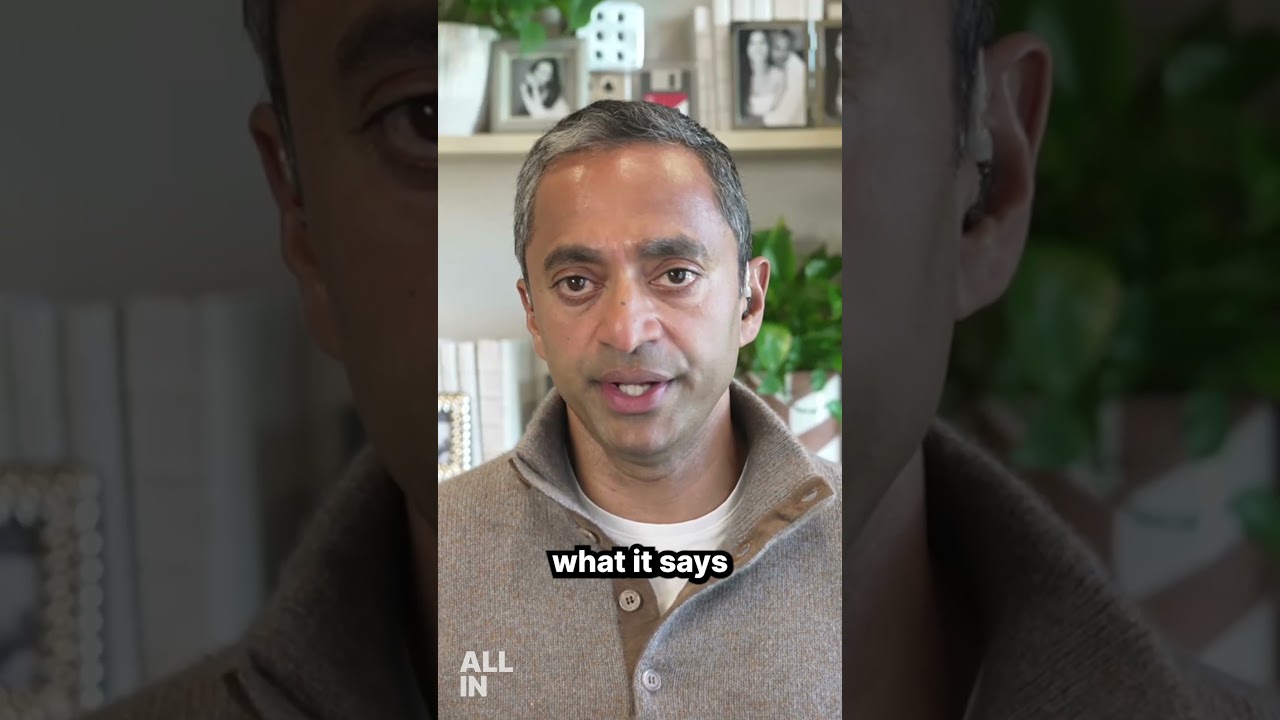
In this segment of The All-In Podcast, venture capitalist Chamath Palihapitiya takes a highly skeptical stance on Anthropic's recent warnings about advanced AI models, dismissing them as "mostly theater." Palihapitiya draws parallels to OpenAI's GPT-2 release in February 2019, which was then a 1.5 billion parameter model hyped as potentially bringing about "the end of days," yet ultimately proved to be a "huge nothing burger." He argues that if the risks Anthropic describes are real, sophisticated hackers could likely already exploit models like Opus, and patching such pervasive vulnerabilities would necessitate "shut[ting] down the internet for about 5 years."
Palihapitiya contends that these warnings represent a "very clever gotomarket muscle" designed to generate "hyper attention and hyper usage" for Anthropic's products. He highlights that the same individuals who were principal architects at OpenAI during the GPT-2 hype are now employing a similar playbook at Anthropic. He questions the feasibility of fixing deep-seated vulnerabilities within short timeframes like two, six, or nine months, suggesting the problem is far more systemic if true.
The core of Palihapitiya's argument is that the dynamics of capitalism—specifically, the need for funding, product adoption, and market momentum—ultimately supersede these publicly articulated safety concerns. He implies that such pronouncements serve strategic business objectives rather than purely altruistic safety motivations. This perspective challenges the earnestness of the AI safety debate, framing it as a sophisticated marketing and competitive maneuver within the rapidly evolving AI landscape.
👤 Who Should Listen
- Tech industry observers skeptical of corporate messaging and AI safety claims.
- Entrepreneurs and marketers interested in unique go-to-market strategies.
- Investors tracking the AI sector and the competitive landscape between major players.
- Anyone following the broader debate around AI ethics, regulation, and future risks.
- Listeners of The All-In Podcast who appreciate Chamath's often contrarian takes on industry trends.
🔑 Key Takeaways
- 1.Chamath Palihapitiya considers Anthropic's recent warnings about advanced AI models to be "mostly theater" (00:00).
- 2.He compares Anthropic's current strategy to OpenAI's hype surrounding the 1.5 billion parameter GPT-2 model in 2019, which was similarly touted as dangerous but ultimately a "huge nothing burger" (00:00).
- 3.Palihapitiya argues that if the exploits Anthropic describes are real, sophisticated hackers are likely already capable of similar actions with existing models like Opus (00:00).
- 4.Fixing such widespread vulnerabilities would be a monumental task, potentially requiring the internet to be shut down for "about 5 years to patch them all" (00:00).
- 5.AI companies, including Anthropic, are employing these warnings as a "very clever gotomarket muscle" to attract "hyper attention and hyper usage" (01:01).
- 6.The inherent drives of capitalism, including funding needs and the push for adoption, ultimately take precedence over public safety warnings (01:01).
💡 Key Concepts Explained
The Boy Who Cried Wolf
This idiom is invoked by the host to question whether Anthropic's warnings are genuine risks or an exaggeration. Chamath's response suggests the latter, comparing it to past instances where significant dangers were proclaimed but did not materialize.
Gotomarket Muscle
Chamath uses this term to describe how Anthropic has cleverly leveraged its safety warnings to activate "hyper attention and hyper usage" for its products. It highlights a strategic business maneuver where perceived risk is used as a powerful marketing and adoption driver.
⚡ Actionable Takeaways
- →Approach AI safety warnings with a critical lens, considering potential strategic or commercial motivations behind such pronouncements.
- →Examine historical precedents, like the GPT-2 release, to assess the true impact and follow-through of similar technological warnings.
- →Recognize that calls for quick fixes to complex digital vulnerabilities may be impractical, as effective patching could require extensive, long-term overhauls.
- →Analyze corporate communications from AI companies to identify underlying go-to-market strategies that leverage attention and perceived risk.
- →Consider how capitalist imperatives, such as securing funding and driving adoption, can shape the public narrative around emerging technologies like AI.
⏱ Timeline Breakdown
💬 Notable Quotes
“"I think it's mostly theater."”
“"That was a 1.5 billion parameter model, which sounds like a total fart in the wind in 2026. But at that time, this 1.5 billion parameter model was supposed to be the end of days. And at the end of it, it was a huge nothing burger."”
“"If these exploits are this easy to find, whether you use Opus or whether you use Mythos, the reality is you'd have to shut down the internet for about 5 years to patch them all."”
“"they have figured out a very clever gotomarket muscle here that activates hyper attention and hyper usage"”
More from this guest
Chamath Palihapitiya
Listen to Full Episode
📬 Get weekly summaries like this one
No spam. Unsubscribe anytime. By subscribing you agree to our Privacy Policy.
Continue Exploring