The All-In Podcast
“If I ever do that again, punch me in the face.” - Chamath's debt story
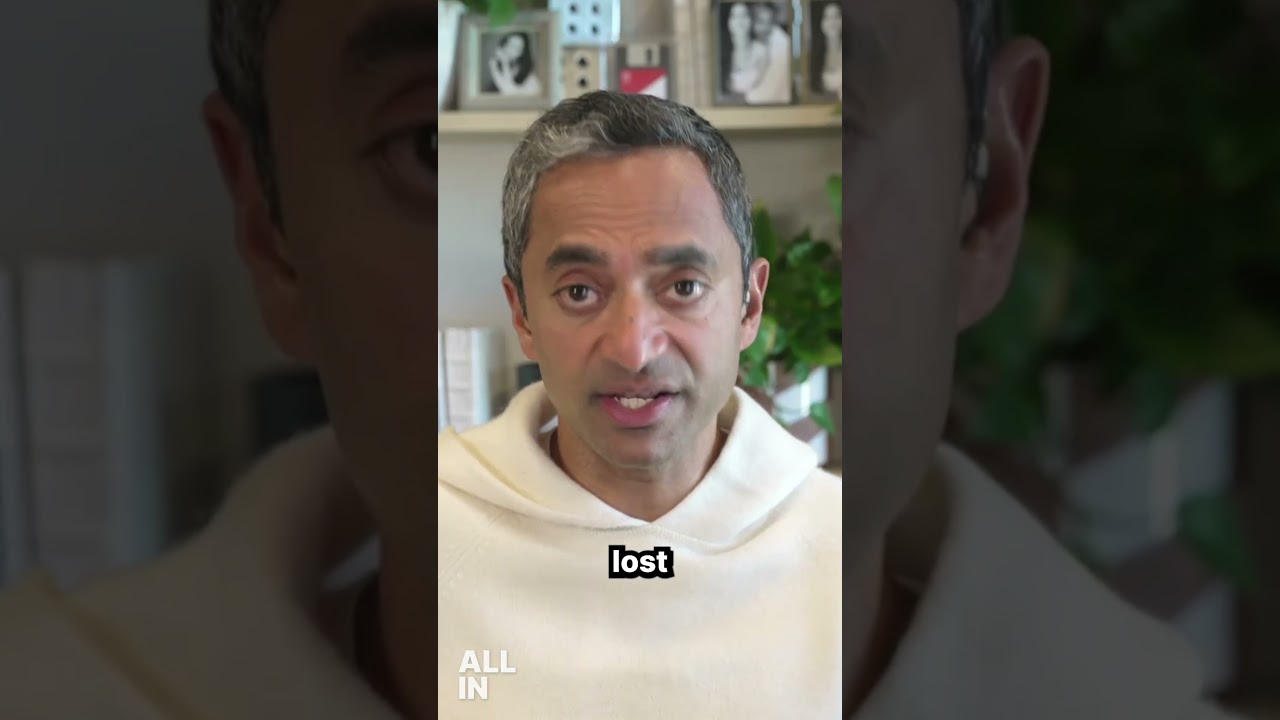
Episode Summary
AI-generated · Apr 2026AI-generated summary — may contain inaccuracies. Not a substitute for the full episode or professional advice.
In this episode, Chamath Palihapitiya recounts a harrowing personal experience with a significant debt load that almost led to his professional ruin. He describes having a $420 million credit line which began to collapse as the assets securing it sharply decreased in value during a period of market disruption. Simultaneously, he faced the looming threat of Credit Suisse's implosion, where he held several hundred million dollars, adding immense pressure to an already critical situation.
Chamath candidly admits violating his long-standing rule against taking on debt in an attempt to "run the number up," a decision he deeply regrets. The confluence of a shrinking asset base and the potential loss of substantial capital at Credit Suisse created what he describes as "the worst moment of my professional working life." He spent a weekend scrambling to secure his money and avert catastrophe, narrowly avoiding losing "everything."
This near-disaster solidified his conviction against debt. He passionately declares, "I will never do it again. And if I ever do it again, if you guys ever hear me do it again, please just come and punch me in the face." His co-hosts affirm they would indeed follow through, humorously noting they've been waiting for such an excuse.
The episode highlights a critical warning: "This is how smart guys go bankrupt is they take on debt." Chamath's personal narrative serves as a potent cautionary tale, illustrating how even experienced and successful individuals can be blindsided by the inherent risks of leverage when market conditions turn volatile.
Listeners walk away with a profound understanding of the dangers of debt, exemplified by Chamath's near-catastrophic experience. It underscores the importance of stringent financial rules, the unpredictable nature of markets, and the potential for even massive fortunes to be wiped out by excessive leverage, prompting a re-evaluation of personal and professional financial risk tolerance.
👤 Who Should Listen
- Entrepreneurs and investors who use significant credit lines or leverage in their businesses or portfolios.
- Individuals considering taking on substantial personal or professional debt.
- Anyone interested in high-stakes financial cautionary tales from experienced figures.
- People seeking to understand the psychological traps that can lead even 'smart' people to financial peril.
- Listeners curious about the specifics of market disruptions and their impact on highly leveraged individuals.
🔑 Key Takeaways
- 1.Chamath Palihapitiya had a $420 million credit line that began to collapse when the underlying assets securing it rapidly shrank in value during a market disruption.
- 2.He was simultaneously scrambling to secure several hundred million dollars he held at Credit Suisse, which was on the brink of implosion.
- 3.Chamath admits he violated his personal rule of avoiding debt in an attempt to "run the number up," nearly losing "everything."
- 4.He describes this period as "the worst moment of my professional working life," filled with frantic efforts to avert financial ruin.
- 5.Chamath has vowed never to take on such debt again, famously stating, "if I ever do it again... please just come and punch me in the face."
- 6.The episode emphasizes the principle that "This is how smart guys go bankrupt is they take on debt," even those with significant financial acumen.
💡 Key Concepts Explained
Debt-Induced Bankruptcy for Smart Guys
This concept highlights that even highly intelligent and successful individuals, often respected in finance, are susceptible to bankruptcy or catastrophic losses when they take on excessive debt. The episode uses Chamath Palihapitiya's personal near-catastrophe with a $420 million credit line as a prime example, reinforcing the idea that leverage can amplify both gains and devastating losses, regardless of one's acumen.
⚡ Actionable Takeaways
- →Re-evaluate your current debt exposure, especially credit lines secured by volatile assets, and consider potential collapse scenarios.
- →Establish or reaffirm a strict personal rule regarding the amount and type of debt you are willing to hold.
- →Diversify where you hold large sums of capital to mitigate counterparty risk from single financial institutions like Credit Suisse.
- →Resist the temptation to take on excessive leverage ("run the number up") even when market conditions seem favorable, remembering the potential for rapid reversal.
- →Maintain an emergency fund or liquid assets sufficient to cover potential margin calls or market disruptions without resorting to desperate measures.
⏱ Timeline Breakdown
💬 Notable Quotes
“"I had always had this rule, don't have debt, and then I violated it to try to run the number up. I almost got run over. I almost lost everything."”
“"If I ever do that again, if you guys ever hear me do it again, please just come and punch me in the face."”
“"This is how smart guys go bankrupt is they take on debt."”
“"It was the worst moment of my professional working life."”
More from this guest
Chamath Palihapitiya
Listen to Full Episode
📬 Get weekly summaries like this one
No spam. Unsubscribe anytime. By subscribing you agree to our Privacy Policy.
Continue Exploring