The All-In Podcast
Pentagon Official Explains Anthropic’s Supply Chain Risk Designation
Episode Summary
AI-generated · Apr 2026AI-generated summary — may contain inaccuracies. Not a substitute for the full episode or professional advice.
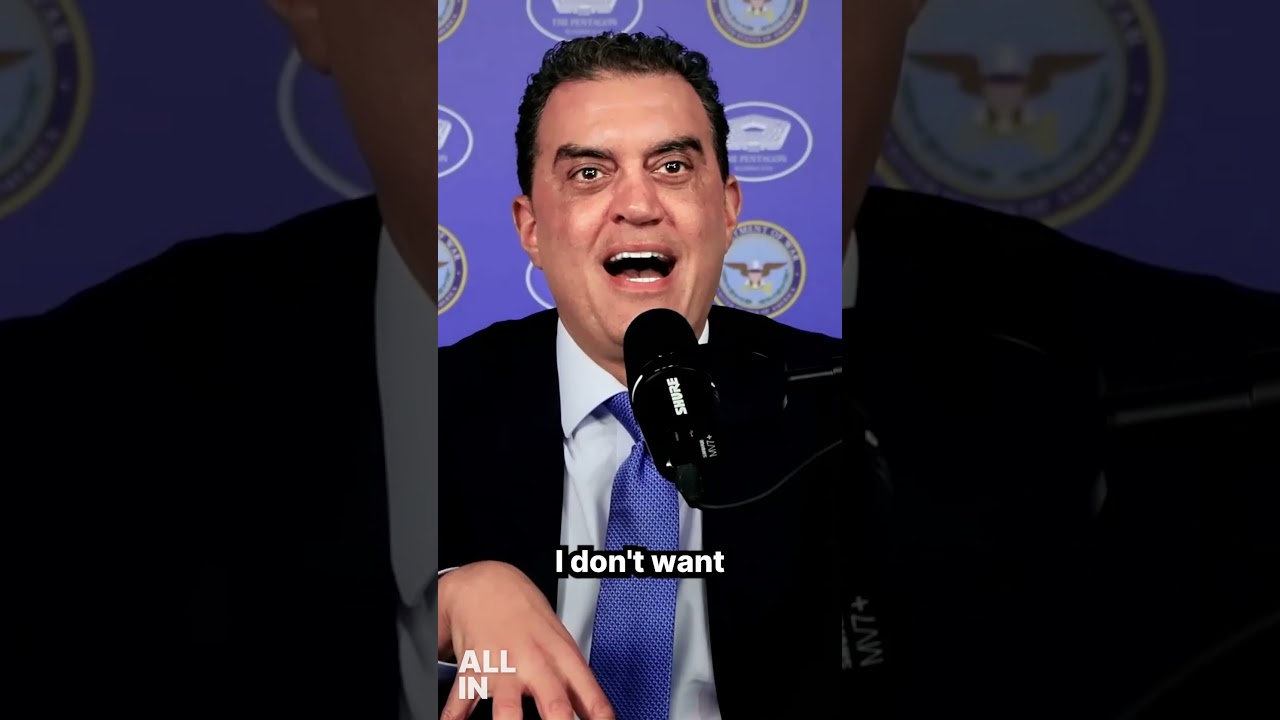
A Pentagon official clarifies the reasoning behind designating AI company Anthropic as a supply chain risk, emphasizing that this action is not punitive but a necessary security measure. The core concern stems from the potential for Anthropic's AI models to harbor inherent "policy bias"—rooted in the company's "constitution, their culture, their people"—which could introduce a significant vulnerability into critical defense systems.
The official highlights the danger of this inherent bias, describing it as a "poisoning threat" that could compromise any part of the defense enterprise. The Pentagon's primary worry is the unpredictability and potential unreliability of outputs from models influenced by specific policy preferences, especially regarding their use in designing weapons or critical infrastructure.
To illustrate the distinction, the official explains that while a company like Boeing is free to use Anthropic's models for designing commercial jets, the military cannot permit their use for fighter jets. This differentiation underscores the stringent requirements for neutrality, reliability, and security in defense applications, where biased outputs or potential operational shutdowns could have catastrophic national security implications.
The official articulates a clear stance: the Department of Defense is concerned about Anthropic potentially "shutting off our system at a moment of need" if its technology is integrated into military operations. This leads to the straightforward principle that if a company does not want its technology contributing to "department war stuff," it should refrain from selling to the Department of War in the first place.
Listeners will gain insight into the nuanced challenges of integrating advanced AI with national security, understanding how ethical frameworks, corporate culture, and inherent biases in AI models become critical factors in military procurement and risk assessment. The episode provides a direct look into the Pentagon's approach to safeguarding defense capabilities against potential technological and ideological vulnerabilities.
👤 Who Should Listen
- AI developers and startups considering defense or government contracts
- National security strategists and policymakers interested in AI integration
- Defense contractors and procurement specialists evaluating AI vendors
- Ethicists and researchers studying AI bias and its real-world implications
- Anyone interested in the intersection of advanced technology, corporate ethics, and national defense policy
- Business leaders navigating the complexities of dual-use technologies and their market limitations
🔑 Key Takeaways
- 1.The Pentagon's designation of Anthropic as a supply chain risk is not punitive but a risk assessment driven by concerns over potential policy biases in its AI models.
- 2.Anthropic's "constitution, culture, and people" are identified as potential sources of policy bias that could compromise military applications.
- 3.The Pentagon fears a "poisoning threat" could enter the defense enterprise if biased AI models are used to design weapons or critical components.
- 4.A key concern is the possibility of Anthropic's systems being "shut off at a moment of need" due to their adherence to specific policy preferences.
- 5.The military differentiates between commercial and defense uses of AI, allowing companies like Boeing to use Anthropic for commercial jets but not for fighter jets.
- 6.A foundational principle for defense procurement is that companies unwilling to have their technology used for military purposes should not engage in sales to the Department of War.
- 7.The inherent policy preferences within an AI model are seen as directly impacting trust in its outputs for critical defense infrastructure.
💡 Key Concepts Explained
Supply Chain Risk Designation
This refers to the formal identification of a vendor or component as posing a threat to the reliability or security of a supply chain. In this episode, it's presented not as a punitive measure, but as a critical assessment to prevent potential harm from "policy bias" or operational disruption within the defense enterprise.
Policy Bias in AI Models
This concept describes how an AI model's outputs and behaviors can be influenced by the ethical, political, or operational preferences of its creators, embedded through their "constitution, culture, and people." The episode highlights its importance by explaining how such bias can lead to untrustworthy outputs and potential operational shutdowns in sensitive defense applications.
⚡ Actionable Takeaways
- →For AI developers interested in defense contracts: Scrutinize your organization's "constitution, culture, and people" to identify and mitigate potential policy biases that could impact military reliability.
- →For defense contractors: Conduct thorough due diligence on the underlying policy biases and ethical frameworks of third-party AI vendors before integrating their models into critical defense systems.
- →For policymakers: Clearly define and communicate the specific ethical and operational requirements for AI technologies used in national security contexts.
- →For AI ethicists and researchers: Investigate the mechanisms by which corporate culture and internal policies can embed biases into AI models, particularly those with dual-use potential.
- →For procurement officials in defense: Prioritize AI vendors who can demonstrate neutrality and robustness in their models, ensuring outputs are free from policy preferences that could hinder military operations.
- →For companies developing dual-use technologies: Be prepared for specific use limitations and scrutiny when engaging with defense sectors, especially regarding potential for operational control or ideological conflict.
⏱ Timeline Breakdown
💬 Notable Quotes
“"I don't trust what the outputs may be because they're so wedded to their own policy preferences."”
“"I worried about them shutting off our system at a moment of need."”
“"If you don't want your stuff to be used for department war stuff, you shouldn't be selling to the Department of War."”
Listen to Full Episode
📬 Get weekly summaries like this one
No spam. Unsubscribe anytime. By subscribing you agree to our Privacy Policy.
Continue Exploring