Conan O'Brien Needs a Friend
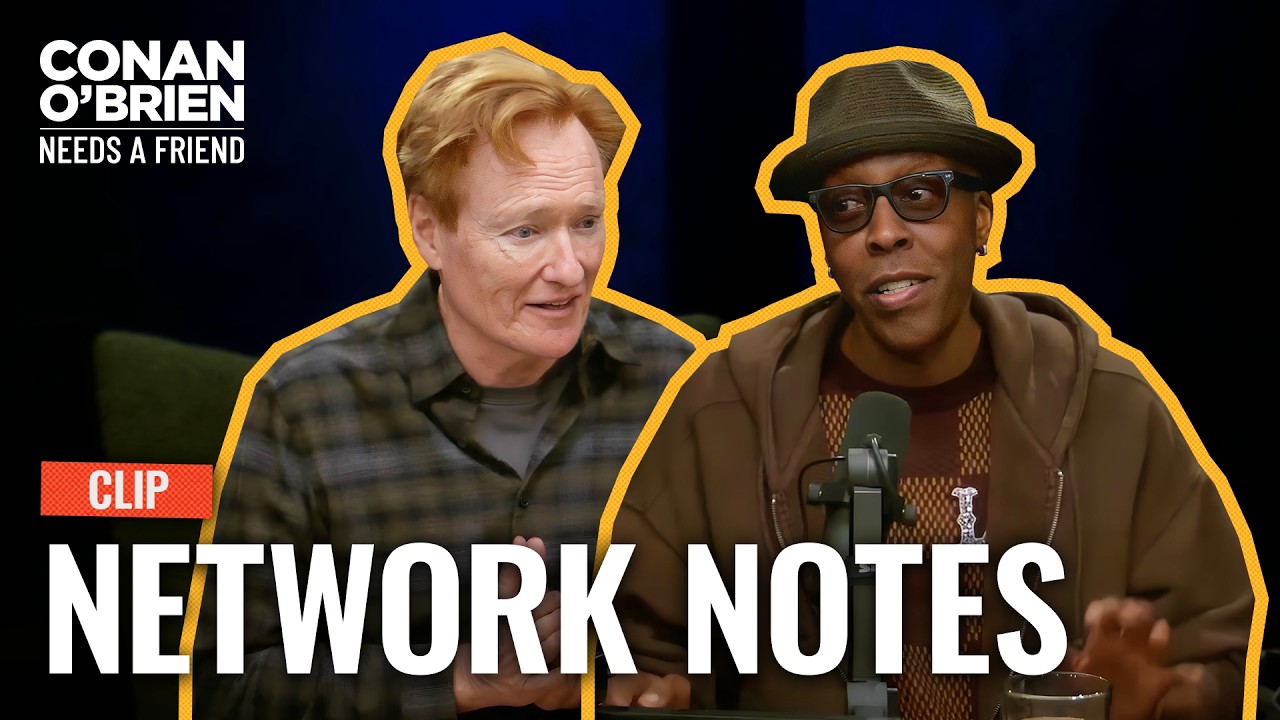
Network Execs Told Arsenio Hall His Show Was “Too Black” | Conan O'Brien Needs A Friend
Episode Summary
AI-generated · Apr 2026AI-generated summary — may contain inaccuracies. Not a substitute for the full episode or professional advice.
In this episode of Conan O'Brien Needs a Friend, legendary late-night host Arsenio Hall joins Conan to discuss the immense cultural impact and unique challenges of "The Arsenio Hall Show." Hall reminisces about his show's status as a cultural "event," where he hosted an unprecedented array of stars like Michael Jackson and Eddie Murphy, giving them a platform that was rare for a Black host in the early 90s. The central thesis revolves around the double bind he faced: constant criticism from both network executives who deemed his show "too black" and parts of the Black community who felt it wasn't "black enough."
Hall details the specific, often perplexing, notes he received from white network executives. He recounts a meeting where an executive told him to "Stop calling your guest brother," concerned it sounded "not inclusive to your larger audience." Hall clarifies the absurdity, explaining he called everyone, including Mark Wahlberg, "brother" – a detail that highlights the executives' superficial understanding of his show's cultural nuances. This pressure to dilute the show's identity came directly from those holding the power.
Conan highlights the contrasting criticism Hall received simultaneously: "flak from the black community saying it's not black enough." Hall confirms this, recalling how figures like Ice Cube, when upset, would release diss tracks, and even Spike Lee got angry over a specific booking conflict, demanding a particular day for his movie rollout. Hall admits to a "flaw in my personality" – a deep desire to please everyone, which made these conflicting criticisms especially painful, even though he "tried for six years" to navigate them.
Conan draws a compelling parallel between Hall's drive to please and his own, linking it to their respective fathers. Hall, whose father was a charismatic preacher, reveals his lifelong aspiration to please him, a sentiment Conan echoes about his own microbiologist father. This shared insight explores how deep-seated desires from childhood, like seeking parental approval, can influence a performer's entire career and their emotional response to public criticism, making the professional struggles intensely personal.
Listeners will gain a profound understanding of the pioneering journey of Arsenio Hall, the unique racial and cultural pressures he navigated as a Black host in mainstream late-night television, and the personal toll of trying to satisfy an impossibly diverse and often contradictory set of expectations. The episode offers a candid look at the racial politics of the entertainment industry in the early 90s and the psychological impact of being a trailblazer caught between different cultural demands.
👤 Who Should Listen
- Fans of Arsenio Hall and his groundbreaking work in late-night television.
- Anyone interested in the historical and ongoing challenges of racial representation in media.
- Professionals navigating conflicting demands and criticisms from diverse stakeholders.
- Individuals grappling with the desire to please everyone in their career or public life.
- People curious about the behind-the-scenes pressures faced by high-profile public figures and media pioneers.
- Aspiring talk show hosts or media personalities seeking to understand industry dynamics.
🔑 Key Takeaways
- 1.Arsenio Hall's late-night show was a cultural phenomenon, creating 'events' with guests like Michael Jackson and Eddie Murphy that were unprecedented at the time.
- 2.Network executives criticized Hall's show for being 'too black,' giving specific notes like 'Stop calling your guest brother,' even when he used the term universally for all guests, including Mark Wahlberg.
- 3.Hall faced a double bind, simultaneously receiving 'flak from the black community saying it's not black enough,' exemplified by Ice Cube's diss tracks and booking conflicts with Spike Lee.
- 4.Hall's personal "flaw" of wanting to please everyone made the conflicting criticisms from both white executives and the Black community particularly difficult to bear.
- 5.Conan O'Brien suggests Hall's deep desire to please everyone, especially in the face of criticism, stems from an innate drive to please his preacher father, a sentiment Conan relates to with his own father.
- 6.Navigating the entertainment industry in a pioneering role requires developing a 'thick callus on your heart' due to constant public attacks and conflicting expectations.
💡 Key Concepts Explained
"Too Black" Criticism
This refers to the feedback Arsenio Hall received from network executives, who perceived his show as having too much Black cultural content. An example given was the directive to 'Stop calling your guest brother,' implying that such language was not inclusive enough for a 'larger audience' despite Hall using it universally for all guests.
"Not Black Enough" Criticism
This concept describes the backlash Hall faced from parts of the Black community, including figures like Ice Cube and Spike Lee, who felt his show did not go far enough in representing Black culture or meeting their specific expectations. This created a 'double bind' for Hall, caught between conflicting demands regarding his show's racial identity.
The Double Bind of Identity in Media
This framework highlights the unique challenge faced by a pioneering figure like Arsenio Hall, who simultaneously received contradictory criticisms: from white executives for being 'too black,' and from parts of the Black community for not being 'black enough.' It illustrates the complex pressures of identity and representation in mainstream media.
⚡ Actionable Takeaways
- →Recognize that attempts to please all audiences often lead to conflicting criticisms and can make it impossible to satisfy everyone, as Arsenio experienced from both network executives and the Black community.
- →Scrutinize feedback for underlying biases and misunderstandings, such as when network execs misconstrued Arsenio's universal use of 'brother' as racially exclusive.
- →Understand that pioneering figures in media or business often face a 'double bind,' being criticized from multiple, often opposing, directions regarding their identity or approach.
- →Reflect on the personal motivations behind your professional actions, such as a deep-seated desire to please others, and how these may influence your reactions to criticism.
- →Develop resilience against constant public scrutiny and conflicting feedback by acknowledging that some criticism stems from a lack of understanding or personal agendas, rather than true shortcomings.
⏱ Timeline Breakdown
💬 Notable Quotes
“"The show is too black. And you're too black."”
“"Stop calling your guest brother."”
“"Yes. you're getting these notes from white people saying it's too black, but you're also at the same time getting flak from the black community saying it's not black enough."”
“"It hurts because you're so trying to make everyone happy with this show."”
More from this guest
Arsenio Hall
Listen to Full Episode
📬 Get weekly summaries like this one
No spam. Unsubscribe anytime. By subscribing you agree to our Privacy Policy.
Continue Exploring