Conan O'Brien Needs a Friend
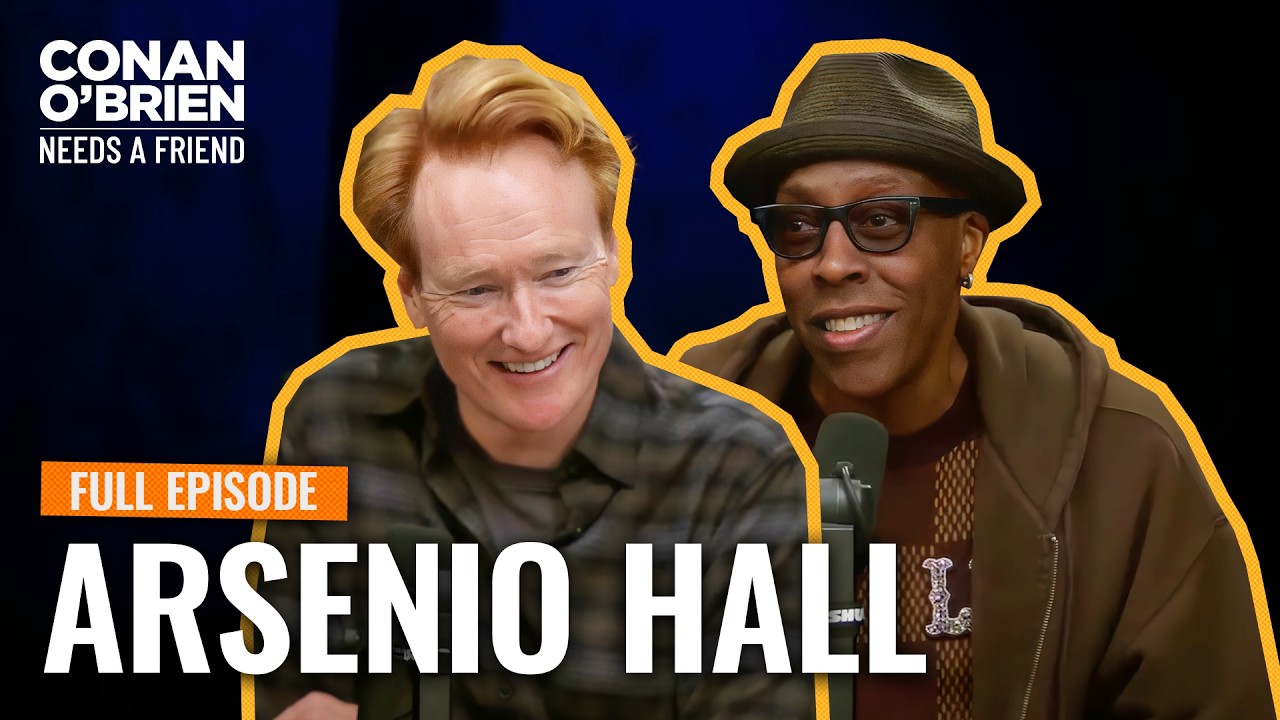
Arsenio Hall (FULL EPISODE) | Conan O'Brien Needs A Friend
Episode Summary
AI-generated · Mar 2026AI-generated summary — may contain inaccuracies. Not a substitute for the full episode or professional advice.
Arsenio Hall joins Conan to discuss his groundbreaking career and his new book, "Arsenio: a memoir." Hall, an actor, comedian, and legendary talk show host, wrote his memoir to "clear up some misconceptions" [05:22], particularly the idea that he became a recluse after leaving late-night television. The episode delves into his unique journey, from his childhood as a serious magician and the son of a preacher to becoming a revolutionary figure in late-night, emphasizing the authenticity he brought to television.
Hall recounts the challenges and triumphs of launching "The Arsenio Hall Show" in 1989. He explains his conscious decision to infuse his show with a "daytime energy" [08:35] reminiscent of Merv Griffin and Mike Douglas, rejecting the traditional desk format to create a more dynamic, party-like atmosphere. His mission was to "put people in the mix that weren't in the mix" [08:18], showcasing emerging artists like Fat Joe [10:15] and booking hip-hop acts like Ice Cube/N.W.A. and Ice-T despite initial network resistance [13:17]. Hall also shares anecdotes about unprecedented guests, including Maya Angelou, who required "a little totty to relax her" [15:17], and a memorable moment with Michael Jackson and Eddie Murphy on stage [17:20].
The conversation highlights the immense pressure Hall faced from both sides: direct "network notes" that his show was "too black" [18:30] and demands to "stop calling everybody brother" [19:22], as well as criticism from parts of the Black community, including Ice Cube and Spike Lee, who felt the show wasn't "black enough" [20:22]. He describes an absurd incident where studio guards attempted to search his car, leading him to "break the gate" in protest [51:01]. Defying advice to cancel, Hall famously broadcast his show during the LA riots, inviting city leaders like Tom Bradley and members of his church to foster unity [55:08]. He also broke new ground by hosting Bill Clinton, who played the saxophone on his show, and booking the first openly gay standup comic, Leah Deliria [57:12, 58:40].
Finally, Hall reveals that he chose to end his show after six years due to burnout, submitting a resignation letter to Paramount. However, the studio later announced the show's cancellation themselves, misleading the public about his departure. This experience solidified his decision to write his memoir, ensuring his personal legacy would "reflect the truth" [61:50]. Listeners will gain a deep appreciation for Arsenio Hall's trailblazing career, his unwavering commitment to his vision, and the profound impact he had on popular culture and representation in late-night television.
👤 Who Should Listen
- Aspiring talk show hosts and comedians interested in the history and evolution of late-night television.
- Fans of "The Arsenio Hall Show" curious about its behind-the-scenes challenges and significant cultural impact.
- Individuals navigating career changes or feeling misunderstood about their professional journey and legacy.
- Anyone interested in the intersection of race, media, and entertainment in the late 20th century.
- Leaders or creatives looking for insights on maintaining authenticity and vision amidst external pressures and criticism.
- People who appreciate detailed celebrity anecdotes and the personal stories behind public figures.
🔑 Key Takeaways
- 1.Arsenio Hall's memoir, "Arsenio," was written to correct public "misconceptions" [05:22] about his career, particularly the erroneous belief that he retreated into reclusion after his talk show.
- 2.His talk show, which debuted in 1989, was revolutionary for its "daytime energy" [08:35] and distinct desk-free format, consciously designed to differentiate itself from traditional late-night television [08:50].
- 3.Hall's primary mission was to bring "people in the mix that weren't in the mix" [08:18] to mainstream audiences, showcasing emerging artists like Fat Joe and pushing for hip-hop acts like Ice Cube/N.W.A. despite initial network pushback [10:15, 13:17].
- 4.He endured constant criticism, including "network notes" stating his show was "too black" and urging him to "stop calling everybody brother" [18:30, 19:22], while simultaneously facing backlash from the Black community for not being "black enough" [20:22].
- 5.Hall defied network advice to cancel his show during the LA riots, opting instead to use his platform to address the crisis by featuring city leaders and members of his church in the audience [55:08].
- 6.He intentionally decided to end his show after six years due to burnout, but Paramount misrepresented his resignation, announcing the show's cancellation themselves, which prompted him to write his book to "reflect the truth" [61:14].
- 7.Hall’s upbringing, particularly observing his charismatic preacher father, profoundly influenced his performance style, and his early career as a serious magician shaped his unique path to comedy [26:32, 30:39].
💡 Key Concepts Explained
Daytime Energy in Late Night
Arsenio Hall discusses consciously bringing the "daytime energy" [08:35] of hosts like Merv Griffin and Mike Douglas to his late-night show. This meant a more informal, dynamic, and desk-free environment, making his show revolutionary at the time by breaking from traditional late-night formats [08:50, 09:15].
Opening Up the House
Conan references Hall's approach to his show as having the "idea of let's open up the house, invite everybody in and see what happens" [58:12]. This concept reflects Hall's inclusive booking policy, featuring diverse guests from various communities and backgrounds, including those not typically seen on mainstream television, like early hip-hop artists or the first openly gay standup comic [08:18, 10:15, 58:40].
The First Is Hard
Conan notes that Hall being "the first person doing that" (a black person with their own late-night show) [47:58] made his experience uniquely challenging. This concept highlights the additional pressures, criticisms, and systemic barriers faced by trailblazers who break new ground in an established industry, often having to contend with resistance from both within and outside their community [18:30, 20:22].
⚡ Actionable Takeaways
- →Reflect on your personal origin story, as Arsenio Hall did by channeling his preacher father for "Coming to America," to understand how past experiences can inform and enrich your unique professional contributions [26:32].
- →Challenge conventional formats and expectations in your field, as Hall did by rejecting the traditional late-night desk and bringing a different energy to television, to create something truly innovative [08:50, 11:30].
- →Prioritize authenticity and "do your thing," even when facing pressure or criticism from different sides, understanding that a genuine approach resonates more deeply than trying to please everyone [11:15, 21:26, 47:00].
- →Use your platform, if you have one, to address pressing social issues or bring diverse voices to the forefront, as Hall did by broadcasting during the LA riots and booking guests not typically seen on mainstream TV [55:08, 08:18].
- →Document your personal and professional journey honestly, as Arsenio Hall chose to do with his memoir, to ensure your legacy accurately reflects your true experiences and intentions [61:14].
- →Seek out and learn from mentors and legends, observing how they treat others, to foster a supportive environment for emerging talent in your own industry [70:27].
⏱ Timeline Breakdown
💬 Notable Quotes
“"I want to write this book because I want to clear up some misconceptions." — Arsenio Hall [05:22]”
“"My desire was to do the show and put people in the mix that weren't in the mix." — Arsenio Hall [08:18]”
“"You're too black. Okay. Was that a thing that was actually said to you? Oh, yeah. We we talk in meetings." — Arsenio Hall [18:30]”
“"This ain't the time to shut up and dribble." — Arsenio Hall [55:40]”
More from this guest
Arsenio Hall
📚 Books Mentioned
Listen to Full Episode
📬 Get weekly summaries like this one
No spam. Unsubscribe anytime. By subscribing you agree to our Privacy Policy.
Continue Exploring