The Dave Ramsey Show
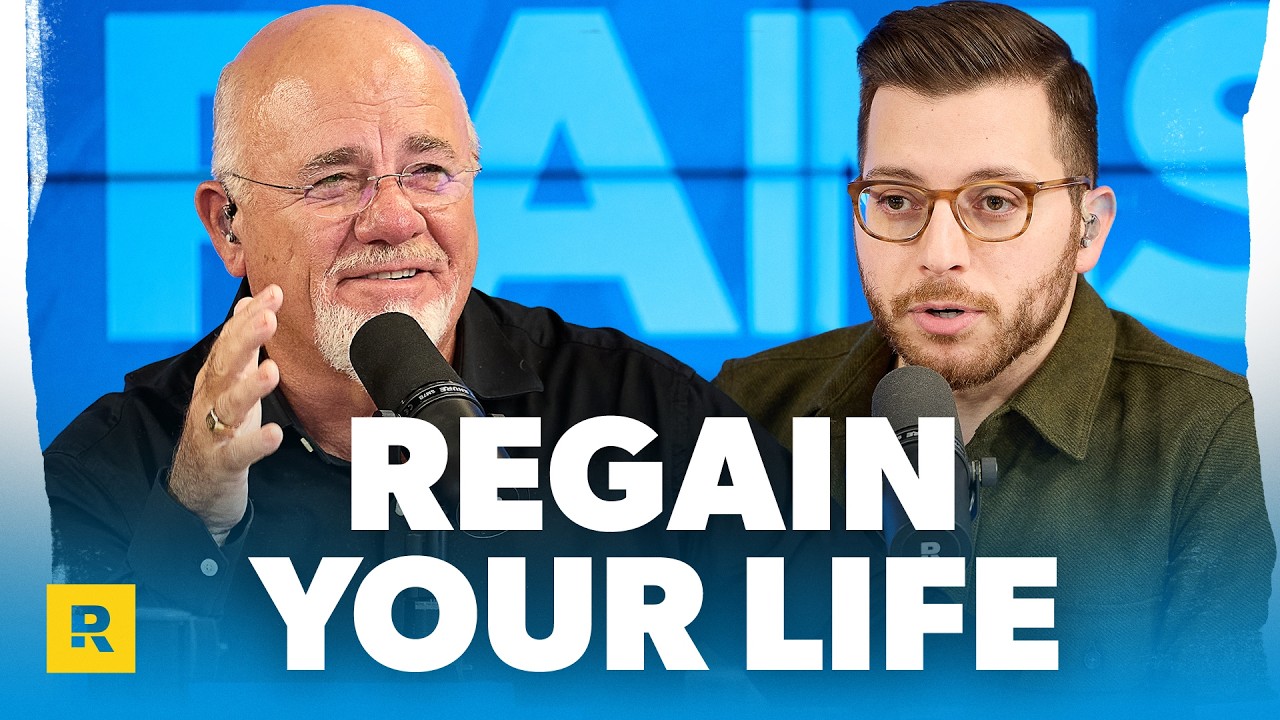
Break The Debt Spiral And Regain Your Life | March 11, 2026
Episode Summary
AI-generated · Apr 2026AI-generated summary — may contain inaccuracies. Not a substitute for the full episode or professional advice.
This episode of The Dave Ramsey Show, co-hosted by Dave Ramsey and Ramsey personality George Camel, emphasizes transforming lives by rejecting the notion that "normal is broke and common sense is weird" [00:02], focusing instead on breaking debt cycles and regaining financial control. The central thesis revolves around the principle that genuine financial freedom stems from addressing root causes like income deficiencies and behavioral patterns, rather than superficial debt transfer solutions.
👤 Who Should Listen
- Individuals struggling to make minimum debt payments due to insufficient income or job instability.
- Couples grappling with financial misalignment, debt, or infidelity within their marriage.
- Anyone considering a major career change, buyout, or significant asset sale seeking guidance on financial stabilization.
- Young adults navigating parental financial advice, particularly concerning the necessity of building credit.
- People approaching retirement with significant consumer debt or an overly frugal mindset inhibiting enjoyment of wealth.
- Artists or creative professionals considering selling their intellectual property for financial stability amidst inconsistent income.
- Homebuyers considering purchasing property with a partner before marriage.
🔑 Key Takeaways
- 1.An income problem, not just a debt problem, is often at the root of financial struggles, requiring career adjustments rather than quick debt fixes [01:02].
- 2.Leverage significant financial events, like a voluntary buyout, to pursue a dream career rather than settling for a "dumbed down" job [08:16].
- 3.Married couples must achieve alignment and communicate openly about finances to avoid ongoing debt and spending issues, especially nearing retirement [13:35].
- 4.Do not co-own a house with someone you are not legally married to, as this can lead to complex legal and financial disasters, such as a co-owner's family inheriting their share [23:49].
- 5.Building "credit" is primarily for the purpose of going into debt, and living debt-free is achievable through alternative means like manual underwriting for mortgages and proving financial stability for rentals [29:55].
- 6.Prioritize essential living expenses, specifically groceries, utilities, shelter (rent/mortgage), and transportation, over unsecured debts like credit cards, especially during financial hardship [06:11, 62:42].
- 7.Do not liquidate retirement accounts, such as a Roth IRA, to pay off smaller debts, as this forfeits long-term growth and incurs potential penalties [17:41].
- 8.Selling a music catalog for a significant lump sum can stabilize an artist's life and provide a strong financial baseline, allowing them to continue working creatively without financial desperation [50:30].
💡 Key Concepts Explained
Debt Spiral
The Debt Spiral is a situation where individuals accumulate so much debt that they struggle to meet minimum payments, leading to increased stress and an inability to achieve financial progress [00:02]. The episode illustrates how insufficient income, combined with existing debt, traps individuals like Elizabeth, highlighting the necessity of boosting income as the primary exit strategy.
Financial Infidelity
Financial infidelity refers to one spouse engaging in financial misbehavior, such as accumulating secret debt or making unauthorized purchases, often involving deception [86:07]. The episode underscores its destructive impact on marital trust and stability, as demonstrated by Marie's 41-year marriage, emphasizing the profound consequences of such betrayals.
Time in the Market vs. Timing the Market
This investing principle advocates for consistent, long-term investment rather than attempting to predict short-term market fluctuations based on news events [69:47]. Dave Ramsey advises against altering investment strategies due to geopolitical 'burps,' emphasizing that market dips often recover quickly and that long-term trends are generally upward, especially for investments held over 3-5 years.
⚡ Actionable Takeaways
- →Assess your household income relative to your debt payments; if debt minimums are unmanageable, focus on increasing income through finding "real jobs" that offer stable, substantial pay [01:02].
- →Create a detailed budget and commit to living on the lower, more consistent income of a spouse if one partner's income is highly volatile, paying off debts with any surplus from higher-income months [18:42].
- →If offered a large career buyout, use a portion of the funds to invest in "tooling up" for a dream career that aligns with a desired income level, rather than settling for less [08:16].
- →Formalize your relationship through marriage (e.g., a courthouse ceremony) before purchasing significant assets like a home with a partner to avoid severe legal complications [23:49].
- →Stop contributing to retirement accounts or non-emergency savings (beyond a $1,000 emergency fund) while actively working to pay off consumer debt, directing all available cash flow to debt reduction [96:26, 40:07].
- →Immediately remove financial access from a spouse or partner struggling with addiction to protect both the individual and household finances, establishing clear boundaries for recovery [73:54].
- →Adopt a "Why wouldn't I?" mindset for responsible spending decisions once financially secure and retired, challenging learned frugality to enjoy the fruits of labor, potentially coupled with increased generosity [107:56].
⏱ Timeline Breakdown
💬 Notable Quotes
“"Normal is broke and common sense is weird." [00:02]”
“"You don't have a credit card problem. You have an income problem." [01:02]”
“"There's only one reason to build credit, mom and dad, and that is to go into debt." [28:55]”
“"Time in the market beats timing the market." [69:47]”
“"You make enough money to not be this broke." [99:30]”
📚 Books Mentioned
Listen to Full Episode
📬 Get weekly summaries like this one
No spam. Unsubscribe anytime. By subscribing you agree to our Privacy Policy.
Continue Exploring


