The Dave Ramsey Show
Does Cutting Out Non-Essentials Actually Help Pay Off Debt?
Episode Summary
AI-generated · Apr 2026AI-generated summary — may contain inaccuracies. Not a substitute for the full episode or professional advice.
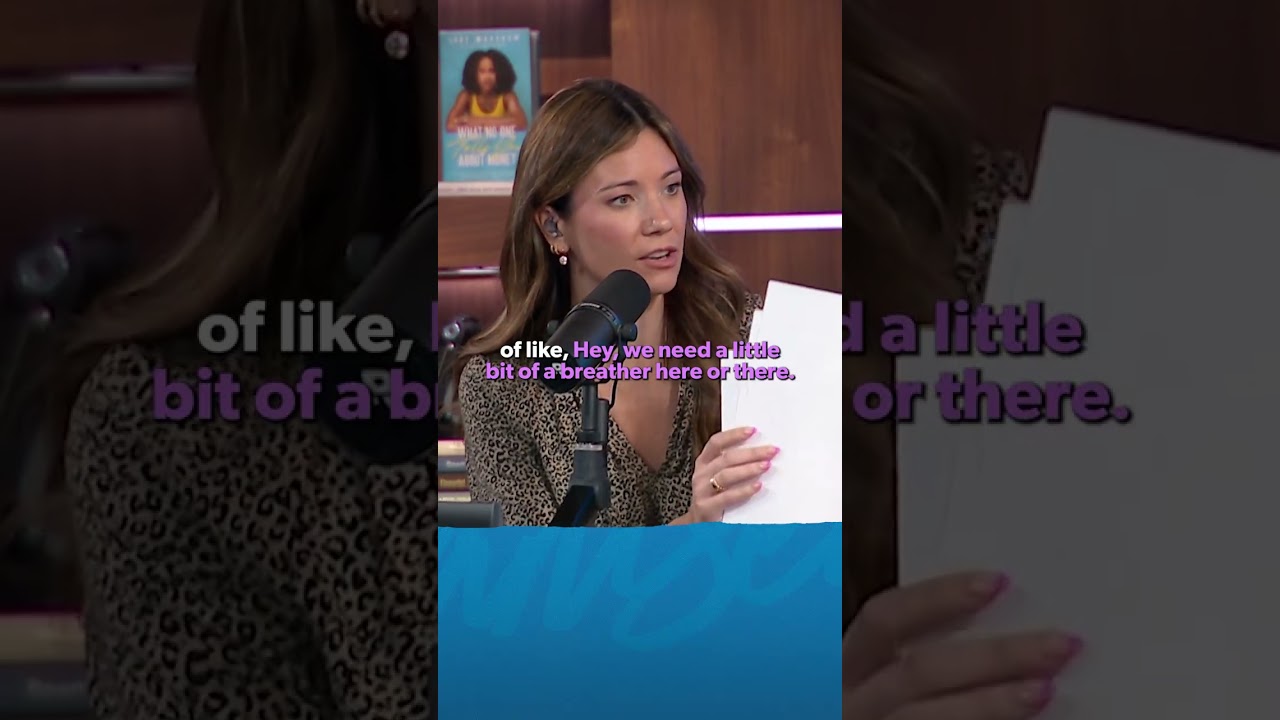
This episode of The Dave Ramsey Show tackles a common dilemma in debt repayment: whether cutting small, non-essential expenses like streaming subscriptions, daily coffee, or pet treats truly makes a significant difference. The caller's husband believes these cuts are too minor compared to their substantial debt and negatively impact their happiness. Dave Ramsey brings in Jade Warshaw, known for paying off half a million dollars in seven years with her husband, Sam, to weigh in on the strategy.
The central argument revolves around the duration of the debt payoff journey. Dave Ramsey asserts that for an accelerated, short-term payoff plan, such as nine months, a drastic approach of "cut everything and get it done" is most effective. He highlights that in such a compressed timeline, every saved dollar directly impacts the speed of becoming debt-free, making even small cuts cumulatively powerful.
However, for longer-term repayment plans, like the three to seven years Jade Warshaw experienced, the strategy needs to be more nuanced. Warshaw's own journey involved "certain seasons" where they allowed for small, joyful expenditures to provide a "breather." This approach acknowledges the psychological toll of prolonged deprivation, suggesting that carefully chosen, small indulgences can be a sustainable way to maintain motivation without derailing a long-term plan.
Ultimately, the episode provides a framework for listeners to assess their own debt situation and determine the appropriate level of austerity. It distinguishes between the intense, short-burst effort suitable for rapid debt elimination and the more marathon-like discipline required for larger, multi-year repayment plans, where occasional small joys might be strategically incorporated.
Listeners will walk away with a clearer understanding of how to tailor their spending cut strategy based on their specific debt amount and their projected timeline for achieving financial freedom, moving beyond a one-size-fits-all approach to budgeting.
👤 Who Should Listen
- Individuals with significant personal debt wondering about the effectiveness of small spending cuts.
- Couples who disagree on the necessity or impact of cutting non-essential expenses to pay off debt.
- Anyone considering an aggressive debt repayment plan and seeking guidance on sacrifice levels.
- Listeners interested in the long-term psychological sustainability of frugality during a multi-year debt payoff journey.
- People looking for practical insights from someone who successfully paid off a large amount of debt, like Jade Warshaw.
🔑 Key Takeaways
- 1.Cutting small, non-essential expenses like Netflix, sodas, and coffee can make a significant cumulative difference in debt repayment.
- 2.The perceived impact of small spending cuts often causes disagreement between partners, with one side valuing happiness over perceived minor savings.
- 3.Dave Ramsey advises a "cut everything and get it done" approach for debt repayment plans achievable in a short timeframe, such as nine months.
- 4.For long-term debt payoff journeys spanning several years, like Jade Warshaw's seven-year, half-million-dollar repayment, strategic allowances for small joys can be beneficial.
- 5.Jade Warshaw's experience demonstrates that even with a gung-ho approach, "breather seasons" with minor indulgences can be part of a sustainable, long-term debt elimination strategy.
⚡ Actionable Takeaways
- →Assess your estimated debt payoff timeline: If it's nine months or less, commit to cutting all non-essential spending to accelerate your progress.
- →Calculate the total monthly and annual cost of your "small" non-essential purchases (e.g., subscriptions, daily coffee) to understand their cumulative impact on your budget.
- →Discuss with your partner the psychological impact of spending cuts and collectively decide on a sustainable strategy based on your debt repayment timeline.
- →If facing a multi-year debt repayment plan, consider strategically incorporating minor, budgeted indulgences to maintain morale, as Jade Warshaw did during her seven-year journey.
- →Prioritize getting debt-free quickly by ruthlessly evaluating every expense, especially if your financial situation allows for rapid payoff.
⏱ Timeline Breakdown
💬 Notable Quotes
“My husband thinks those are small in comparison to the debt that we have and we should not cut those things out because they make us happy.”
“If it's a long-term play, like a major marathon, and I'm talking three, four, five, six years, there may be the little things here and there that cost, you know, nine bucks, but it just gives a little joy through it, that's great.”
“But, if you can do this in nine months, I'm like, cut everything and get it done.”
More from this guest
Jade Warshaw
Listen to Full Episode
📬 Get weekly summaries like this one
No spam. Unsubscribe anytime. By subscribing you agree to our Privacy Policy.
Continue Exploring


