The Dave Ramsey Show
His 20-Year-Old Broke The Rules
Episode Summary
AI-generated · Apr 2026AI-generated summary — may contain inaccuracies. Not a substitute for the full episode or professional advice.
Dave Ramsey, the host of The Dave Ramsey Show, shares a personal anecdote about a conflict with his 20-year-old daughter who has come home with numerous tattoos, despite his long-standing disapproval and a rule against getting them while he is financially supporting his children. Ramsey previously made it clear that while his children could get tattoos when they were financially independent, he would not "subsidize" such choices while paying for their expenses. This episode delves into the tension between parental expectations, financial assistance, and a young adult's desire for personal autonomy.
Ramsey explains his personal philosophy on body modifications, stating, "I don't believe in making permanent markings on your body until you're fiscally responsible for yourself. And then if you want to do that, you can do that. and also maybe be a little bit older so you can make wise choices instead of a, you know, 19, 20 year old putting things in their body." He clarifies that while his preference against tattoos was separate from explicit funding conditions, he brought up their financial support for college during an argument about the tattoos.
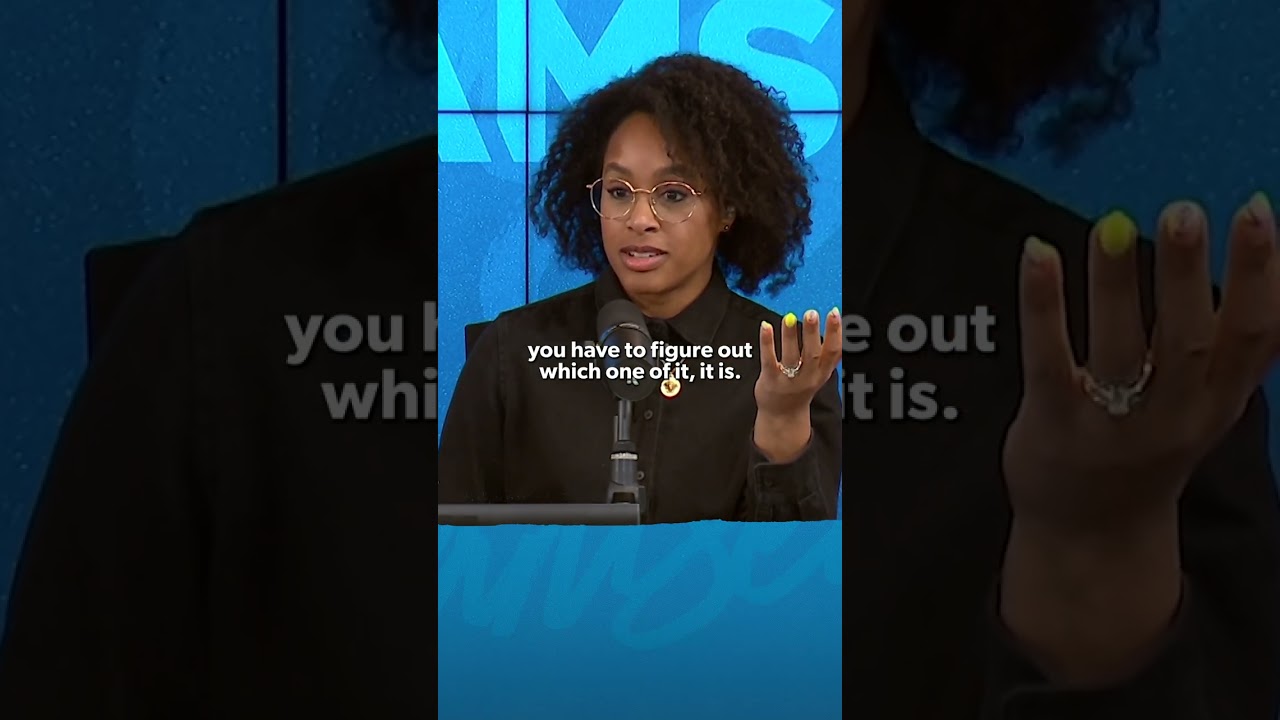
The co-host challenges Ramsey's stance, highlighting a contradiction: "You said two opposing things in one sentence. You said, 'It's her body. She can do whatever she wants.' And then you turned around and said, 'But actually, she can't.'" The co-host firmly advises against "weaponizing her college funding" over a personal preference like tattoos, emphasizing that financial support for education should be tied to objective criteria such as "grades, attendance, legal behavior," and timely graduation.
Instead of cutting off college funds, the co-host suggests that any future tattoos should be paid for by his daughter using money from her own job. This approach distinguishes between essential financial support for education and discretionary spending on personal choices, allowing the adult child to exercise autonomy without the parent feeling complicit or financially burdened by decisions they disapprove of.
Listeners will gain insight into how to navigate complex parent-adult child dynamics, particularly when personal choices clash with parental expectations. The discussion provides a framework for setting clear financial boundaries and distinguishing between non-negotiable conditions for support and personal preferences, ultimately aiming to foster responsibility without damaging the relationship or essential support systems.
👤 Who Should Listen
- Parents of college-aged or young adult children navigating financial support.
- Individuals grappling with balancing parental guidance and a young adult's independence.
- Anyone interested in Dave Ramsey's personal financial principles applied to family dynamics.
- Parents seeking strategies for setting boundaries with adult children regarding personal choices.
- Listeners exploring healthy ways to discuss and enforce financial conditions with dependent adults.
🔑 Key Takeaways
- 1.Dave Ramsey previously set a boundary that he would not approve or subsidize his children getting tattoos while they were financially dependent on him.
- 2.He believes individuals should wait until they are "fiscally responsible for yourself" and older to "make wise choices" before getting permanent body modifications.
- 3.The co-host pointed out a contradiction in Ramsey's statement, where he affirmed his daughter's body autonomy but then restricted her choices.
- 4.The co-host advised against "weaponizing her college funding" to control personal preferences, emphasizing that financial support for education should be tied to objective metrics.
- 5.Suitable conditions for college funding include "grades, attendance, legal behavior," and completing the degree within a set timeframe.
- 6.For future tattoos, the suggested solution is for Ramsey's daughter to pay for them herself "out of your money from your job."
💡 Key Concepts Explained
Weaponizing College Funding
This concept describes the practice of using financial support for an adult child's education as leverage or a punitive measure to control their personal choices or behavior. The co-host explicitly advises against this, arguing it's an inappropriate use of educational funding which should be tied to objective academic or legal parameters, not subjective personal preferences.
⚡ Actionable Takeaways
- →Clearly communicate conditions for financial support to adult children to avoid misunderstandings regarding personal choices.
- →Avoid linking essential financial support, such as college funding, to personal preferences that are not moral, legal, or academic issues.
- →Separate discussions about personal choices (like tattoos) from critical financial responsibilities (like tuition) when addressing conflicts with adult children.
- →Establish that discretionary personal expenses should be covered by the adult child's own income, promoting fiscal responsibility.
- →Re-evaluate existing financial support agreements to ensure they are tied to objective, measurable outcomes rather than subjective parental approval of lifestyle choices.
⏱ Timeline Breakdown
💬 Notable Quotes
“"I don't believe in making permanent markings on your body until you're fiscally responsible for yourself."”
“"You said two opposing things in one sentence. You said, 'It's her body. She can do whatever she wants.' And then you turned around and said, 'But actually, she can't.'"”
“"I would not cut off her college funding... now we're trying to weaponize her college funding to get her to stop."”
“"Any future tattoos needs to come out of your money from your job."”
Listen to Full Episode
📬 Get weekly summaries like this one
No spam. Unsubscribe anytime. By subscribing you agree to our Privacy Policy.
Continue Exploring