The Dave Ramsey Show
You Can’t Drift Into Financial Peace | March 13, 2026
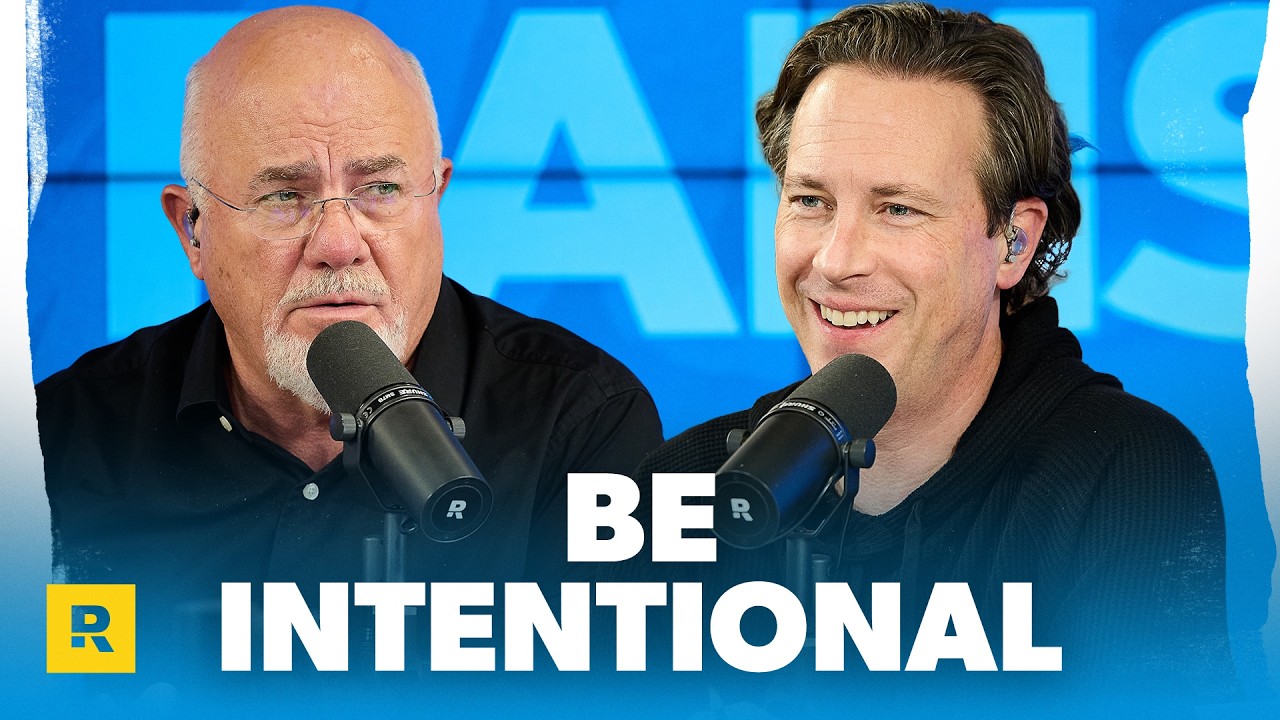
Episode Summary
AI-generated · Apr 2026AI-generated summary — may contain inaccuracies. Not a substitute for the full episode or professional advice.
This episode of The Dave Ramsey Show, hosted by Dave Ramsey and Ramsey personality Ken Coleman, tackles diverse and often intense financial challenges, all unified by the central theme that financial peace requires intentionality, not passive drifting. From navigating the aftermath of financial abuse and incarceration to making strategic career and investment decisions, the hosts emphasize focused action and personal responsibility to transform one's financial reality. The episode underscores the Ramsey plan's core principles, including intense debt payoff, cash-flowing education, and strategic wealth building, against a backdrop of complex life circumstances.
👤 Who Should Listen
- Individuals navigating financial and legal repercussions of abusive relationships or criminal convictions.
- Anyone considering taking on debt for higher education, especially a master's degree.
- Couples or individuals currently in Baby Step 2 of debt payoff, seeking motivation and clarity on spending priorities.
- High-net-worth individuals concerned about estate planning and inheritance for minor children.
- People exploring alternative real estate purchase arrangements, such as seller financing or life estates.
- Individuals struggling with low income, lack of career confidence, or contemplating a career pivot into trades or administrative roles.
- Parents debating the role of work experience versus leisure for their highly motivated teenage children.
- Anyone looking to maximize their investments in retirement, especially those with significant liquid cash or underperforming assets.
🔑 Key Takeaways
- 1.Navigating legal and financial challenges from an abusive marriage requires immediate and intentional steps, such as filing for divorce and planning for career re-entry despite a felony conviction.
- 2.Pursuing a master's degree through debt is discouraged; instead, cash-flow education and apply the "Proximity Principle" by working in the desired field to gain experience and network.
- 3.Aggressive debt payoff in Baby Step 2 means foregoing non-essential expenses like leisure trips to maintain "gazelle intensity" and achieve financial freedom faster.
- 4.For high-net-worth individuals with minor children, a children's trust can be established upon death to manage assets and provide for heirs with specific instructions on use and distribution ages.
- 5.Avoid a contract for deed when purchasing real estate due to significant legal risks; opt for a seller-financed mortgage with a life estate to protect both buyer and seller.
- 6.Overcoming low income and lack of confidence in career requires actively pursuing higher-paying trades, improving interview performance, and potentially taking on multiple jobs to build financial momentum.
- 7.Prioritize legal counsel for critical issues like child custody disputes in a high-conflict divorce, as the emotional and long-term stakes often outweigh the direct financial cost of representation.
- 8.When facing significant debt, use liquid cash to aggressively pay it off using the debt snowball method, even if it means short-term sacrifice like delaying moving out or temporarily impacting a credit score, as manual underwriting for mortgages is an option once debt-free.
💡 Key Concepts Explained
EveryDollar App
A budgeting tool promoted by Ramsey Solutions to help individuals and couples track their spending, create a budget, and manage their money with full transparency. The episode highlights its effectiveness in helping users become 'gazelle intense' and identify previously unrecognized debt.
Proximity Principle
A career strategy, outlined in Ken Coleman's book, stating that to achieve desired career goals, one must be around the right people and in the right places where those goals are happening. It emphasizes networking, learning from those in your field, and taking an entry-level position to gain proximity to opportunities.
Debt Snowball
A debt reduction strategy where you pay off debts in order from smallest to largest balance, regardless of interest rate. Once the smallest debt is paid off, you take the money you were paying on that debt and add it to the payment of the next smallest debt, creating a 'snowball' effect. The episode suggests using this for multiple small student loans.
Manual Underwriting
An alternative mortgage approval process for individuals who are debt-free and thus lack a traditional credit score. Lenders manually review financial records like payment history, employment, and savings to assess risk, allowing debt-free individuals to secure mortgages at competitive rates without relying on FICO scores.
Life Estate (Real Estate)
A legal arrangement where a person retains the right to live in and use a property for the rest of their life, even if the ownership (title) has been transferred to someone else. The episode recommends this for selling a home while allowing an elderly owner to remain there, potentially with a medical qualification for transfer if they become unable to live independently.
Momentum Theorem
A framework for achieving success, defined as 'Focused intensity over time multiplied by God and His blessings equals unstoppable momentum.' It emphasizes consistent hard work, sacrifice, and faithfulness in small things leading to greater things to manage, resulting in powerful, sustained progress.
⚡ Actionable Takeaways
- →If in an abusive marriage, file for divorce immediately, even while facing incarceration, to sever financial ties.
- →If contemplating a graduate degree, prioritize saving and cash-flowing the tuition rather than taking out student loans.
- →Implement the "Proximity Principle" by seeking entry-level jobs or volunteer opportunities within your desired career field to gain experience and build professional connections.
- →Increase income by pursuing higher-paying trade skills (e.g., electrician) and actively working on interview confidence and energy levels.
- →If struggling with low income and debt, consider taking on multiple part-time jobs to quickly increase cash flow and accelerate debt payoff.
- →For those with significant assets and minor children, consult a real estate attorney to establish a children's trust within your will, specifying asset management and distribution terms.
- →Pay off high-interest debts, such as a 23% car loan, as quickly as possible, even if it requires extreme short-term sacrifices like living with roommates for an extended period.
- →If considering buying a house, focus first on becoming completely debt-free and building a 3-6 month emergency fund, then save for a cash down payment, utilizing manual underwriting for a mortgage once debt-free.
⏱ Timeline Breakdown
💬 Notable Quotes
“"Normal is broke and common sense is weird. So, we're here to help you transform your life." [00:05]”
“"You don't need to get a loan for that. You need to be patient or super urgent to stack up the 20 to $30,000 as quickly as possible." [11:26]”
“"The proximity principle says in order to do what I want to do, fill in the blank there, I've got to be around people that are doing it and in places where it is happening." [15:30]”
“"The way people get out of debt is they get a lot more fired up than you are. They get a lot more angry about the debt than you are. And they get a lot more intense than you are." [18:40]”
“"It's who you become during this 14 months that's different than the you version that bought the 23% car. And that person's dead and gone. And now there's a new version of you that's going forward." [72:37]”
“"Focused intensity over time multiplied by large G, God and his blessings. When you're faithful in the little things, he'll give you more to manage. He will not give you more to manage when you're disorganized, unwilling to sacrifice, and unwilling to work hard." [73:37]”
Listen to Full Episode
📬 Get weekly summaries like this one
No spam. Unsubscribe anytime. By subscribing you agree to our Privacy Policy.
Continue Exploring


