The Ed Mylett Show
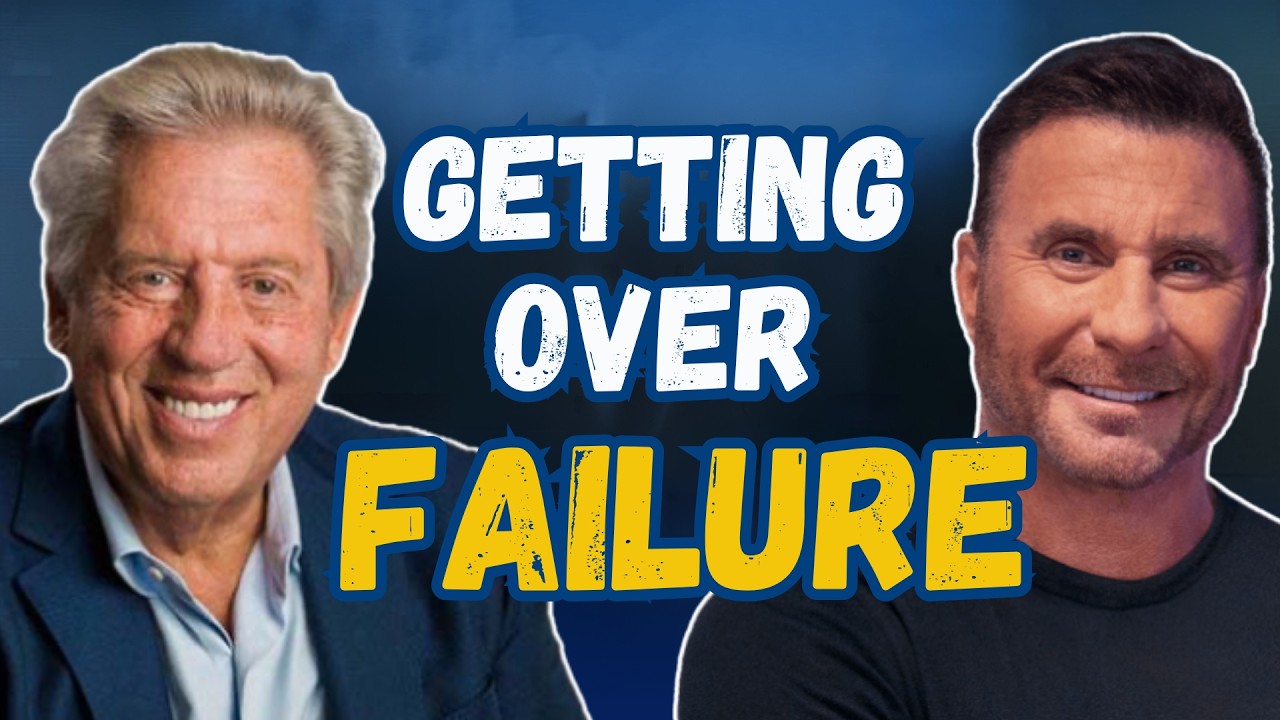
John Maxwell: The REAL Reason You’re Afraid to Fail
Episode Summary
AI-generated · Mar 2026AI-generated summary — may contain inaccuracies. Not a substitute for the full episode or professional advice.
In this episode of The Ed Mylett Show, host Ed Mylett welcomes back John C. Maxwell, revered as the premier leadership expert globally and a personal mentor to Mylett. Maxwell shares insights from his latest book, "How to Get a Return on Failure: Fail Smarter Return Stronger," challenging the common negative perception of failure. His central thesis argues that failure is not a liability but a powerful asset when viewed through the right perspective, emphasizing that the biggest barrier to engaging with failure is often ego and fear of how others perceive us.
Maxwell introduces the critical distinction between a "good miss" and a "bad miss," asserting that the nature of a miss is determined not by the failure itself, but by one's response to it. A good miss involves making adjustments and learning from the experience, while a bad miss is characterized by making excuses and avoiding awareness, which prevents growth. He illustrates this by stating, "I've never known anybody go from excuse to success."
A cornerstone of Maxwell's philosophy is the idea of keeping failure and success intertwined. He argues that while culture often separates them, they are deeply connected in reality. For success, failure offers humility, preventing complacency. For failure, success provides resiliency, reminding one of past triumphs and the capacity to overcome. Maxwell highlights that in over 30 years of asking successful individuals about their most important life lessons, failure is invariably a central component of their stories.
Throughout the conversation, Mylett and Maxwell explore how ego fuels the fear of failure, leading people to "sit in the bleachers and fail" by not attempting anything, rather than "getting in the game and fail." Maxwell encourages leaders to openly share their own failures, as this not only humanizes them but also encourages others by demonstrating that setbacks can be overcome. He emphasizes that authentic leaders who admit mistakes build trust and create a more conducive environment for learning and growth. Maxwell also provides a "guard rail" on embracing failure, clarifying that failure should always "move you" towards change, and becoming comfortable with it means you've ceased to learn.
Listeners will walk away with a transformative framework for approaching failure, understanding it as an essential, often humbling, catalyst for personal and professional growth. The episode encourages a mindset shift from viewing failure as a definitive end to seeing it as an integral part of a continuous "success journey," fostering humility, resilience, and a deeper connection with others through shared imperfections.
👤 Who Should Listen
- Leaders seeking to cultivate a culture of learning and resilience within their organizations.
- Anyone paralyzed by the fear of making mistakes or taking necessary risks in their personal or professional life.
- Entrepreneurs and sales professionals who frequently encounter rejection and setbacks.
- Individuals aiming to shift their mindset from viewing challenges as liabilities to seeing them as opportunities for growth.
- Parents and mentors looking for effective strategies to guide others through setbacks with empathy and practical wisdom.
- People interested in the intersection of personal development, leadership, and faith's perspective on human imperfections.
🔑 Key Takeaways
- 1.The primary reason people avoid failure is ego and an excessive concern for how they appear to others, not the inherent difficulty or consequences of the failure itself [00:00, 07:06].
- 2.It is more advantageous to "get in the game and fail" than to "sit in the bleachers and fail," as sitting out guarantees no win and disqualifies one from any potential success [00:00, 07:44].
- 3.The distinction between a "good miss" and a "bad miss" lies in one's response to failure: making adjustments (good) versus making excuses (bad), the latter of which inhibits awareness and growth [25:05].
- 4.Keeping failure and success together is crucial because they provide balance; failure instills humility during success, while success fosters resiliency during periods of failure [13:46, 14:48].
- 5.Successful individuals should openly discuss their failures and the lessons learned, as this encourages others by tagging failure with success and demonstrating that it can be overcome [29:25].
- 6.Admitting personal failures and imperfections as a leader (whether in business or family) builds deeper trust, connection, and provides a redemptive path for both the leader and those they influence [35:33, 37:35].
- 7.Failure should always "move you" towards necessary change and awareness; if you become comfortable with failure, it ceases to serve as a catalyst for improvement [38:40].
- 8.Life and growth are a "success journey" rather than a destination, liberating individuals to constantly learn and embrace challenges without the pressure of having to "arrive" or finish [19:14, 22:17].
💡 Key Concepts Explained
Good Miss vs. Bad Miss
This framework distinguishes between types of failure not by the outcome, but by one's response. A "good miss" leads to making adjustments and learning, while a "bad miss" involves making excuses and avoiding awareness, thus impeding personal growth [25:05].
Keeping Failure and Success Together
This concept posits that success and failure are not opposing forces to be kept separate, but rather intertwined elements that balance each other. Failure provides humility during success, and success builds resiliency during times of failure, fostering a more balanced perspective on progress [13:46].
The Success Journey
This idea reframes personal and professional achievement as an ongoing journey rather than a fixed destination. Embracing this perspective allows individuals to continuously learn, grow, and take on harder challenges without the disappointment of reaching a perceived 'finish line' [19:14].
⚡ Actionable Takeaways
- →Reframe your perspective on failure by asking, as John Maxwell does: "If failure were possible but you knew if it happened it was going to help you, what would you attempt to accomplish?" [05:04].
- →Analyze your response to setbacks to distinguish between a "good miss" (leading to adjustments and learning) and a "bad miss" (leading to excuses and stagnation) [25:05].
- →Consciously keep the concepts of failure and success intertwined in your mind to ensure humility during times of achievement and to build resiliency during setbacks [13:46].
- →Challenge your ego and shift focus from how your failures might look to others to the actual learning and impact, thereby empowering yourself to "get in the game" [07:06, 10:09].
- →As a leader or mentor, share your own past failures and the insights gained from them to encourage others and build a stronger, more authentic connection [28:24, 30:27].
- →Commit to continuous personal and professional growth by embracing a "success journey" mindset, rather than seeking a finite destination for achievement [19:14].
- →Utilize failure as a catalyst for change; if you find yourself becoming comfortable with repeated failures, identify what specific changes are needed to move forward [38:40].
⏱ Timeline Breakdown
💬 Notable Quotes
“"Do you want to get in the game and fail or do you want to sit in the bleachers and fail?" [07:44]”
“"Success is a lousy teacher. It makes people think they can't lose." [14:11]”
“"If I keep failure close to my success when I'm on a roll, it will give me humility." [14:11]”
“"Until you get over yourself, you're never going to be a highly successful person because it's not about me." [07:06]”
“"Disappointment is thinking that there's a place where there's happiness." [22:17]”
“"Failure should move you. And when we when we become comfortable with failure we're in trouble." [38:40]”
More from this guest
John Maxwell
Listen to Full Episode
📬 Get weekly summaries like this one
No spam. Unsubscribe anytime. By subscribing you agree to our Privacy Policy.
Continue Exploring


