Valuetainment
What Happens to Iran If Khamenei Is Taken Out?
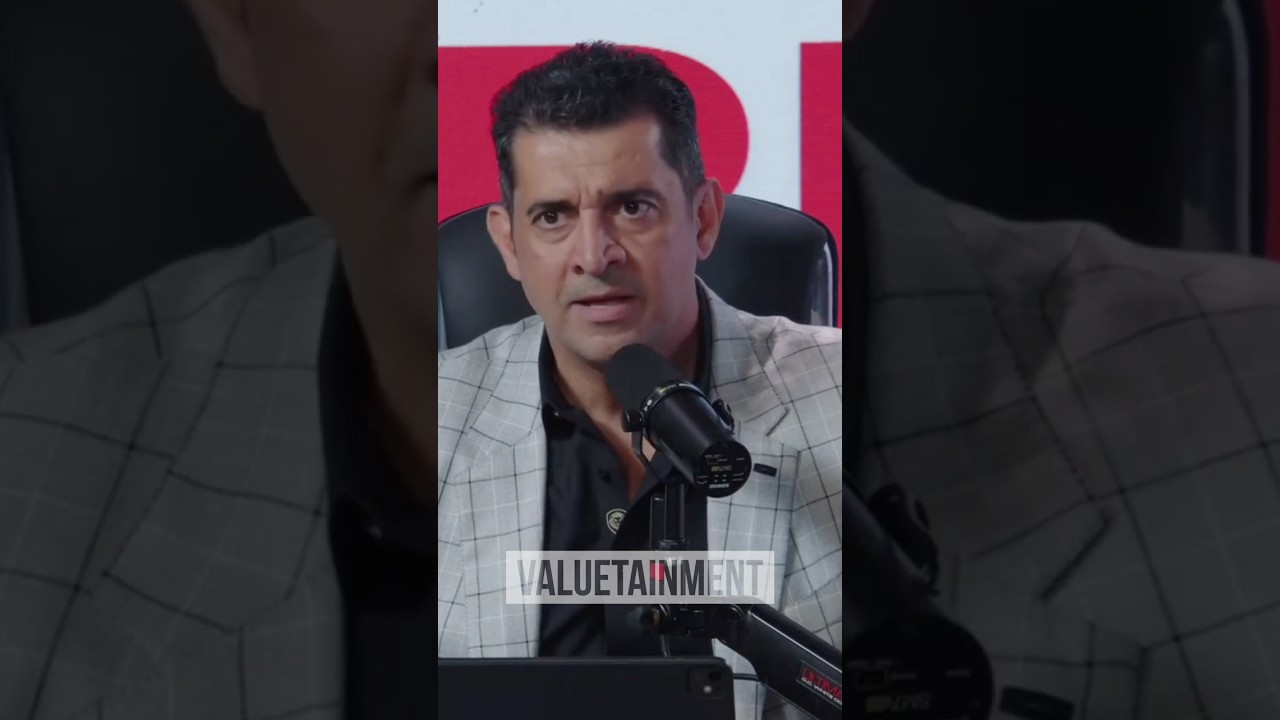
Episode Summary
AI-generated · Apr 2026AI-generated summary — may contain inaccuracies. Not a substitute for the full episode or professional advice.
This Valuetainment episode delves into the hypothetical, yet critically important, scenario of Iran's Supreme Leader Khamenei being removed from power, contrasting the potential outcomes if he were to die naturally versus being killed. The host, Patrick Bet-David, draws parallels to Khomeini's death, noting that while 80% of Iranians might celebrate a natural death, hoping for freedom, a forced removal would provoke a drastically different, potentially retaliatory, reaction both domestically and internationally. He emphasizes the intricate strategic planning undertaken by global powers, specifically mentioning the USS Gerald Ford's presence near Israel as a pre-emptive measure against possible Iranian attacks.
The conversation highlights the multi-layered approach to geopolitical contingency planning, where leaders anticipate every possible reaction to their moves. Bet-David describes a thought process where strategists consider: 'If we do this, how can they react? They could react this way. If they do that, what are we doing? We got it covered.' This framework underscores the complexity of managing international relations during times of extreme volatility.
The episode explores the best-case outcomes envisioned by such strategic planning, suggesting a scenario where Khamenei's removal could lead to the cessation of conflict, the liberation of the Iranian people, and the opportunity for them to freely choose a new national leader. This vision of a peaceful transition is presented as a desirable, albeit challenging, end goal amidst the various potential reactions.
Listeners walk away with a profound understanding of the calculated risks and extensive preparations involved in managing high-stakes geopolitical transitions. The episode provides insight into the strategic mindset that seeks to anticipate complex reactions from multiple actors, aiming to navigate potential crises towards outcomes that prioritize stability and freedom, even in the most volatile regions of the world.
👤 Who Should Listen
- Individuals interested in the geopolitical dynamics of the Middle East and Iran.
- Analysts and policymakers studying potential power transitions in authoritarian states.
- Listeners curious about the intricacies of U.S. foreign policy and military posturing in critical regions.
- Anyone interested in strategic planning and contingency development for high-stakes international scenarios.
🔑 Key Takeaways
- 1.The death of Iran's Supreme Leader Khamenei would likely elicit significantly different reactions within Iran compared to his assassination.
- 2.An estimated 80% of Iranians might celebrate Khamenei's natural death, viewing it as a potential end to the current regime.
- 3.The presence of U.S. military assets, such as the USS Gerald Ford near Israel, indicates readiness for potential retaliatory actions from Iran.
- 4.Strategic planning for geopolitical events involves anticipating multiple layers of reactions from adversaries to specific actions.
- 5.A 'better option' for Khamenei's removal could lead to an end of conflict, the liberation of Iranians, and the establishment of a new, chosen leadership.
💡 Key Concepts Explained
Geopolitical Scenario Planning
This framework involves leaders and strategists methodically anticipating a wide range of outcomes and reactions to critical geopolitical events, such as the removal of a supreme leader. The episode demonstrates this by detailing the consideration of different Iranian public reactions (celebration vs. concern), the pre-positioning of assets (USS Gerald Ford), and the iterative 'If we do this, how can they react?' thought process to cover all angles.
⚡ Actionable Takeaways
- →Anticipate a broad spectrum of reactions from various stakeholders when making critical decisions, considering both positive and negative responses.
- →Differentiate between natural occurrences and forced interventions in your planning, as each can lead to vastly different outcomes and responses.
- →Develop multi-layered contingency plans for complex situations, outlining responses for various potential counter-actions.
- →Identify and articulate desired 'best-case' scenarios in strategic planning to guide efforts amidst potential turmoil.
⏱ Timeline Breakdown
💬 Notable Quotes
“If Khomeini is killed, it's a very different reaction.”
“Gerald Ford is right over Israel waiting for an attack to possibly take place from Iran.”
“If we do this, how can they react? They could react this way. If they do that, what are we doing? We got it covered.”
Listen to Full Episode
📬 Get weekly summaries like this one
No spam. Unsubscribe anytime. By subscribing you agree to our Privacy Policy.
Continue Exploring