Conan O'Brien Needs a Friend
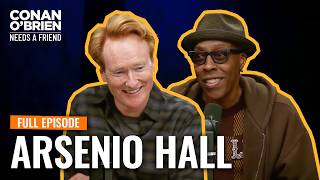
Arsenio Hall Compares His Friendship With Jay Leno To Cain & Abel | Conan O'Brien Needs A Friend

Episode Summary
AI-generated · Mar 2026AI-generated summary — may contain inaccuracies. Not a substitute for the full episode or professional advice.
Arsenio Hall joins Conan O'Brien for a candid conversation about his unique life, groundbreaking career, and the specific challenges he faced as a late-night talk show host. Hall begins by reflecting on a recent encounter with Jay Leno, playfully describing their complex friendship as a “Cain and Abel” dynamic—a sentiment Conan echoes regarding his own history with Leno. The episode quickly moves to Hall's recently released memoir, which Conan praises for its honesty and for directly confronting public misconceptions about the comedian's journey.
Conan highlights that Hall wrote his memoir precisely “to clear up some misconceptions,” notably the persistent notion that he became a “recluse” after his acclaimed talk show ended. Hall's personal history, which Conan characterizes as both “crazy” and “fantastic,” includes fascinating anecdotes, such as witnessing Muhammad Ali performing a magic trick. Hall also shares insights into the immense difficulty and draining nature of hosting a talk show, acknowledging the additional layers of pressure and scrutiny he navigated compared to his peers.
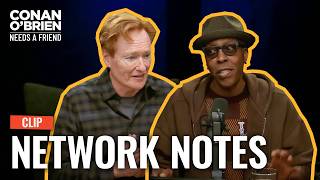
The discussion delves into the revolutionary impact of “The Arsenio Hall Show,” which premiered in 1989. Hall reveals the specific, racially-tinged network notes he received, such as directives to “don't say brother so much on the show” and to limit audience interaction because “there are a lot of black folks in the audience.” Despite these constraints, Hall's driving mission was unequivocally “to do the show and put people in the mix that weren't in the mix.” He credits his producer, Mara Kell Brown, for her visionary decision to remove the traditional talk show desk, creating a more dynamic and engaging format reminiscent of daytime hosts like Merv Griffin and Mike Douglas.
Hall further elaborates on how he infused his show with elements from his childhood, drawing inspiration from Ed Sullivan's method of introducing new talent. He recounts a specific example of bringing rapper Fat Joe into the spotlight, having him stand up and take a bow, a direct homage to how Sullivan presented artists like Diana Ross. This deliberate blend of influences and unwavering commitment to showcasing diverse voices made “The Arsenio Hall Show” a cultural phenomenon, distinguishing it sharply from other late-night programs of its era.
Listeners will gain a profound appreciation for Arsenio Hall's resilience, innovative spirit, and dedication to cultural representation in television. The episode offers a compelling personal account of overcoming professional obstacles, maintaining authenticity, and leveraging unique insights to create a truly groundbreaking and unforgettable mark on media history.
👤 Who Should Listen
- Fans of Conan O'Brien and Arsenio Hall's comedic and interviewing styles.
- Aspiring talk show hosts or television producers interested in the history and evolution of the genre.
- Anyone curious about the cultural impact and unique challenges faced by late-night television in the late 20th century.
- Readers interested in celebrity memoirs and how public figures address misconceptions about their lives and careers.
- Individuals interested in how cultural pioneers navigate industry pressures while staying true to their authentic vision.
- Those interested in the evolution of media representation and the promotion of diversity on television.
🔑 Key Takeaways
- 1.Arsenio Hall jokingly compares his deep, brotherly friendship with Jay Leno, with whom he has also “fought,” to the biblical story of “Cain and Abel” (01:02).
- 2.Hall’s recent memoir was written specifically “to clear up some misconceptions” about his life, including the public perception that he became a “recluse” (02:04).
- 3.Hosting a late-night talk show is a uniquely “difficult” and “draining” job that “takes everything you've got” (03:04).
- 4.In 1989, “The Arsenio Hall Show” received specific network notes to limit the use of phrases like “don't say brother so much” and to reduce audience interaction due to “a lot of black folks in the audience” (04:06).
- 5.Hall's primary mission for his talk show was “to do the show and put people in the mix that weren't in the mix,” aiming to introduce underrepresented talent (05:07).
- 6.His show revolutionized late-night by adopting a desk-less format, suggested by his producer Mara Kell Brown, to allow for more movement and a dynamic energy inspired by daytime talk shows (06:07).
- 7.Hall integrated elements from classic variety shows, like Ed Sullivan having Diana Ross stand up, to introduce new artists such as Fat Joe to a broader audience on his show (07:09).
💡 Key Concepts Explained
Cain and Abel Friendship Dynamic
This biblical metaphor, used by Arsenio Hall, describes his profound and complex friendship with Jay Leno. It signifies a deeply bonded, brotherly relationship that has also experienced significant conflict or rivalry, reflecting a powerful dynamic common in competitive professional spheres.
Revolutionary Late-Night Talk Show Format
Arsenio Hall's innovative approach to his 1989 show consciously departed from traditional talk show conventions. By eliminating the host's desk and embracing a more dynamic, audience-centric, and culturally inclusive style, he created a groundbreaking format designed to showcase new voices and challenge the existing late-night landscape.
Putting People in the Mix
This phrase encapsulates Arsenio Hall's core mission for “The Arsenio Hall Show.” It refers to his deliberate effort to introduce new, often overlooked, talent—particularly from marginalized communities like specific rappers—to a mainstream television audience, drawing inspiration from classic variety show hosts who brought diverse acts to the forefront.
⚡ Actionable Takeaways
- →Write your own memoir or personal account to actively address and correct any public misconceptions about your life or career.
- →Challenge traditional formats and expectations in your professional field, like Arsenio Hall did by removing the talk show desk, to create a more dynamic and engaging experience.
- →Actively seek out and elevate underrepresented voices or talents in your community or industry to “put people in the mix that weren't in the mix” (05:07).
- →Draw inspiration from diverse and historical sources, such as classic daytime or variety shows, to innovate and differentiate your current projects.
- →Maintain your authentic creative vision and purpose, even when faced with restrictive or biased feedback from external entities like network executives.
⏱ Timeline Breakdown
💬 Notable Quotes
“"No, no, because I you know Jay is like a big brother to me. Sure. Yeah. And we've fought too, me and Jay. We're like Cain and Abel."”
“"One of the first things you address in the book is you say, 'I want to write this book because I want to clear up some misconceptions.' And one of the misconceptions about you is there are people out there that think you're a recluse. And you are not a recluse."”
“"you're getting network notes like don't say brother so much on the show. You know, don't go into the audience too much because there are a lot of black folks in the audience."”
“"my desire was to do the show and put people in the mix that weren't in the mix."”
More from this guest
Arsenio Hall
Listen to Full Episode
📬 Get weekly summaries like this one
No spam. Unsubscribe anytime. By subscribing you agree to our Privacy Policy.
Continue Exploring