The Dave Ramsey Show
Build Wealth Faster by Understanding Opportunity Cost | March 10, 2026
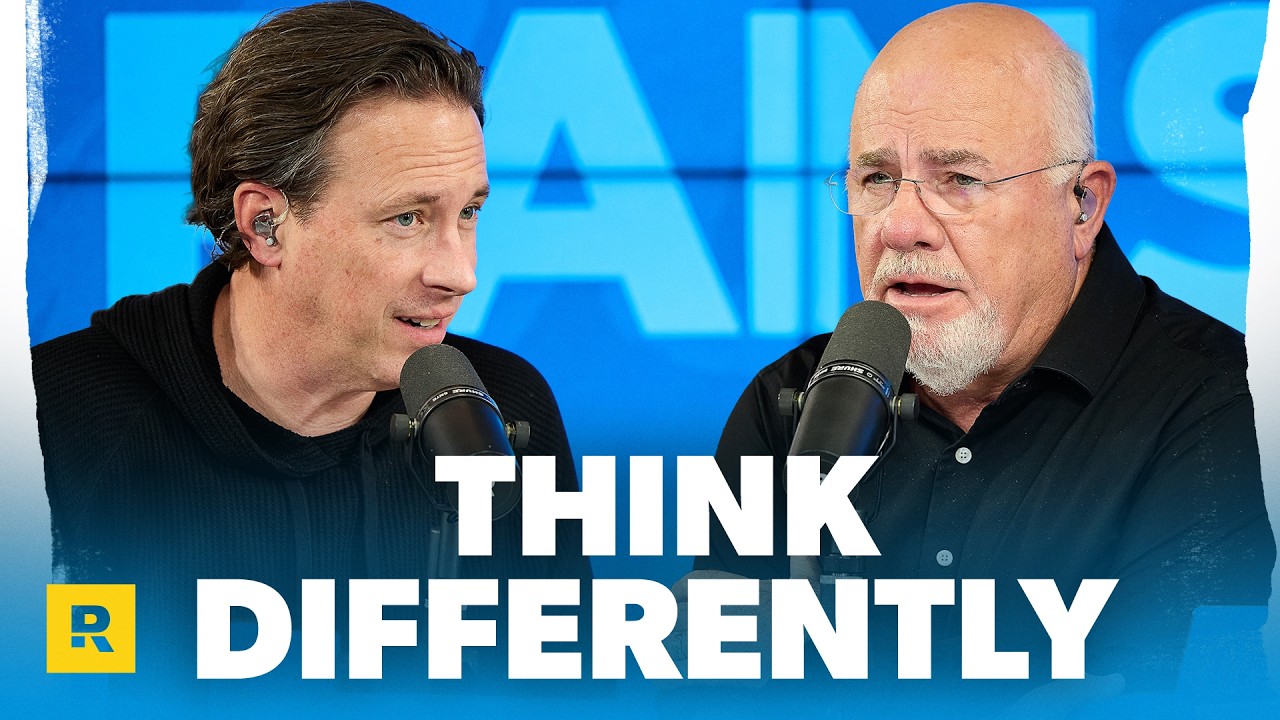
Episode Summary
AI-generated · Apr 2026AI-generated summary — may contain inaccuracies. Not a substitute for the full episode or professional advice.
Dave Ramsey and co-host Ken Coleman delve into the critical financial concept of opportunity cost, teaching listeners how to make wiser decisions by understanding what they give up when choosing a particular path. The episode emphasizes that every financial choice has an alternative, and ignoring this can be detrimental to wealth building, drawing on various caller scenarios to illustrate the principle.
👤 Who Should Listen
- Individuals and business owners seeking strategies to build financial resilience and avoid debt cycles.
- Anyone struggling to get ahead financially despite a good income, needing help with budgeting and spending habits.
- Savers and retirees with substantial cash or low-yield investments looking to maximize their returns.
- Young adults considering their first major purchases (like cars or homes) and navigating credit scores and mortgage options.
- People experiencing financial hardship or abuse who need urgent actionable steps and a shift in perspective.
- Entrepreneurs and professionals weighing the financial implications of choices made for 'image' or 'credibility.'
🔑 Key Takeaways
- 1.Opportunity cost means recognizing what you are unable to do when you choose to do something else with your money, such as investing $100,000 in a car instead of an asset that would generate returns.
- 2.Businesses should build a cash "war chest" as a percentage of profits to serve as retained earnings, providing a buffer against market downturns and preventing reliance on debt for capital expenditures.
- 3.Ignoring the financial actions of others, like an employer failing to pay wages, can lead to substantial personal losses, and staying in such a situation out of fear or misplaced loyalty is unwise.
- 4.Even with a six-figure income, a lack of a comprehensive budget and the habit of "compartmentalizing" purchases can lead to living paycheck to paycheck and accumulating significant debt.
- 5.Holding large sums of money in low-yield accounts like CDs or cash can incur an opportunity cost of potentially hundreds of thousands of dollars in lost investment growth compared to diversified mutual funds.
- 6.Life insurance products marketed as investments, such as Indexed Universal Life (IUL), are considered detrimental financial tools that should be avoided; life insurance should be separate from investments.
- 7.A "zero credit" history, achieved by avoiding debt, is a favorable position for obtaining a mortgage through manual underwriting, as it allows lenders to assess actual ability to pay without relying on a FICO score, which Dave Ramsey calls an "I love debt score."
- 8.Decisions based on social media perception or appearing successful (e.g., buying an expensive car for credibility) are often "dumb financially" and do not provide a genuine return on investment.
💡 Key Concepts Explained
Opportunity Cost
This concept highlights that every financial decision involves a trade-off. When you choose to use money for one thing, you simultaneously give up the opportunity to use it for something else, which might have yielded greater returns or benefits. The episode demonstrates its importance in evaluating purchases, investments, and business strategies, emphasizing that ignoring this cost can hinder wealth building.
Retained Earnings / Cash War Chest
This refers to setting aside a percentage of a business's net profits or personal income into a dedicated savings fund. The episode presents it as a critical strategy to build financial resilience, enabling individuals and businesses to navigate economic downturns or unexpected expenses without incurring debt, as exemplified by Ramsey Solutions' own practice during COVID-19.
Manual Underwriting
A mortgage process where lenders thoroughly evaluate an applicant's financial history, income, and payment track record (like rent) without relying on a credit score. This method is presented as vital for individuals who are debt-free and therefore lack a FICO score, ensuring they can still qualify for favorable mortgage rates based on their actual ability to pay.
FICO Score (as 'I Love Debt Score')
Dave Ramsey critically rebrands the FICO score as an 'I love debt score,' explaining that its calculation is based entirely on how much money one has borrowed, the types of debt, and repayment history. The episode argues that having no FICO score (due to being debt-free) is a desirable state, directly challenging the conventional wisdom that building credit is necessary for financial success.
Indexed Universal Life (IUL)
This is a type of permanent life insurance policy that allows the cash value to grow based on a stock market index. The episode vehemently warns against IUL, categorizing it as one of the 'worst products on the market' and 'whole life crap posing as an investment opportunity,' asserting that life insurance should never be used as an investment tool.
⚡ Actionable Takeaways
- →Utilize a budgeting app like EveryDollar to create a detailed financial plan, ensuring every dollar has an assignment and preventing impulsive, unbudgeted spending.
- →For business owners, consistently set aside a percentage of net profits into retained earnings to build a cash reserve for future needs and market fluctuations.
- →If your employer is not paying you, immediately seek new employment, as relying on them to change their behavior is unlikely to be successful.
- →Evaluate all major purchases, especially those for luxury items, by considering the opportunity cost: what growth or financial freedom are you sacrificing by making this purchase now?
- →If you have significant cash reserves beyond emergency funds, explore investing in growth stock mutual funds rather than low-yield CDs to maximize long-term wealth accumulation.
- →Prioritize paying for essential "four walls"—food, shelter, utilities, and transportation—before allocating funds to credit card payments or other discretionary expenses.
- →If you have no credit history and are seeking a mortgage, look for lenders like Churchill Mortgage that offer manual underwriting, which assesses your financial stability directly rather than through a FICO score.
- →For those facing domestic or financial abuse, prioritize safety by creating distance from the abuser and seeking support from family, legal aid (e.g., JAG for military personnel), or domestic violence resources.
⏱ Timeline Breakdown
💬 Notable Quotes
“Normal is broke and common sense is weird.”
“Don't try to make a snake into a rabbit.”
“Opportunity cost... if I do this, what else could I not do? What opportunity am I missing?”
“Never never never never never never use life insurance as an investment.”
“Zero credit is a wonderful place to be... you get the exact same rate as someone with that's stupid enough to have an 800 FICO score.”
Listen to Full Episode
📬 Get weekly summaries like this one
No spam. Unsubscribe anytime. By subscribing you agree to our Privacy Policy.
Continue Exploring