The Dave Ramsey Show
You Can’t Win With Money Until You Decide What Matters Most | March 24, 2026
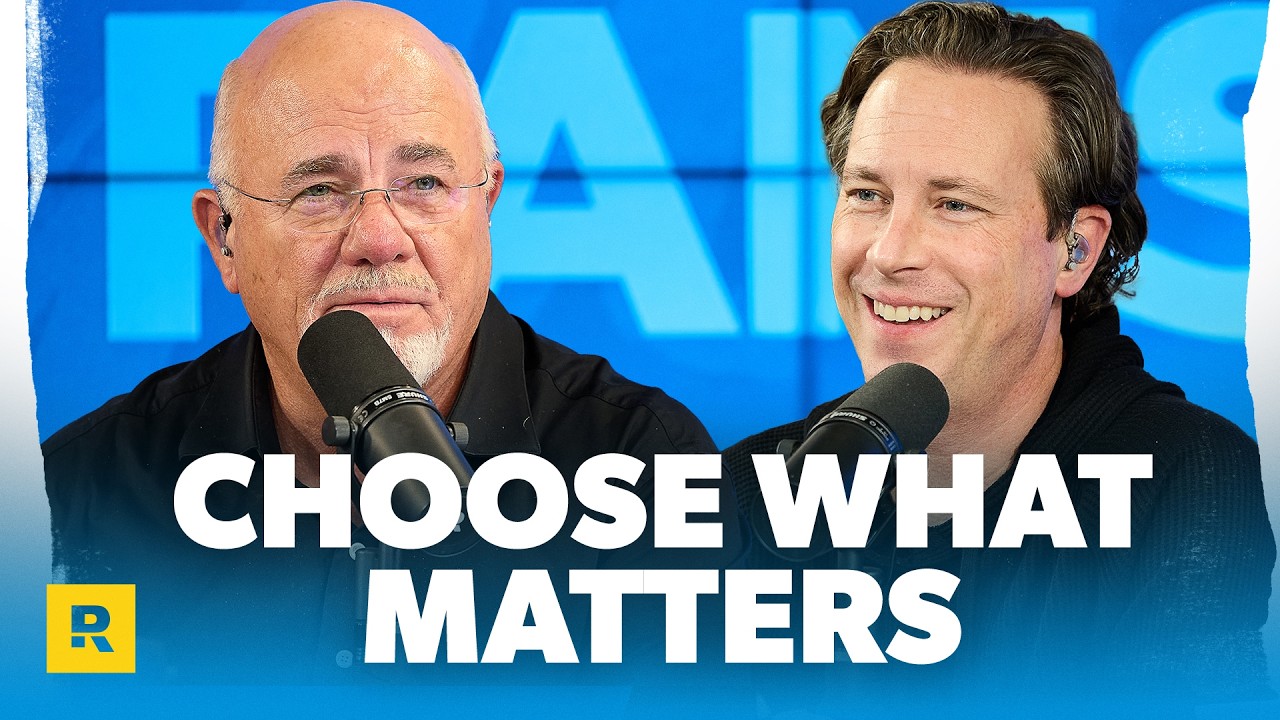
Episode Summary
AI-generated · Mar 2026AI-generated summary — may contain inaccuracies. Not a substitute for the full episode or professional advice.
The episode of The Dave Ramsey Show, hosted by Dave Ramsey and Ken Coleman, explores how listeners can achieve financial success by first defining what truly matters to them. The show kicks off with the mantra "Normal is broke and common sense is weird," setting the stage for discussions on transforming financial lives, supported by the EveryDollar app.
Callers bring various financial dilemmas to the forefront. Lacy from Seattle shares a complex situation where her in-laws provided a $300,000 down payment on her $800,000 house, under a lease-to-own arrangement where they expect a percentage of future profits. With a $500,000 mortgage and an $80,000 household income, Lacy feels overwhelmed by unsolicited financial advice and the realization that the house is in her in-laws' name. Dave and Ken strongly advise her to sell the house, calling the situation a "nightmare" and "dysfunctional mess" that she cannot afford.
Jason from Las Vegas, 32, earning $45,000-$55,000 annually, seeks advice on getting a car with air conditioning without incurring a payment, as he currently owns a motorcycle and has $12,000-$13,000 in savings. Dave recommends selling the motorcycle and using $5,000 from savings to purchase a $10,000 car in cash, highlighting that car payments are detrimental to wealth building. AJ from Gainesville, Florida, in his late 20s with a baby on the way, asks if he should continue working two jobs to allow his wife to stay home, or if she should return to work. Dave questions the affordability of their house, suggesting it may require two incomes, or even more, to sustain.
Ashley from Boston shares a deeply personal struggle, having experienced a difficult birth and ongoing severe medical challenges for her baby since October. She herself is recovering from birth complications and was laid off before maternity leave. Her husband works sales and side hustles, earning $55,000-$8,000 a month. They face significant debt, including $30,000 in credit cards, a $12,300 upside-down car loan, and a $347,000 home debt on a house worth $369,000. Dave and Ken offer compassionate advice, emphasizing the importance of focusing on what they can control, such as budgeting and income generation, while navigating their health crises.
👤 Who Should Listen
- Personal Finance Seekers
- Investors
- Anyone Building Wealth
🔑 Key Takeaways
- 1.Avoid financial arrangements with family, especially involving large sums like home down payments, if they come with strings, control, or an expectation of profit repayment.
- 2.Do not enter into lease-to-own or rent-to-own agreements for major assets like homes, as they do not grant true ownership and can lead to significant control issues and dysfunction.
- 3.Car payments are a major impediment to building wealth; aim to pay cash for vehicles to free up income for investing.
- 4.Assess housing affordability based on current income, not projected or combined incomes that necessitate working multiple jobs or overextending.
- 5.In times of severe personal or medical crisis, prioritize healing and focus on managing the controllable financial aspects like budgeting and income generation.
- 6.Be intentional and create a financial plan to avoid impulsive decisions, particularly regarding large purchases that can lead to debt.
- 7.Parents should avoid creating financial traps or using money as a tool for control, as this can severely damage family relationships and the financial well-being of their children.
💬 Notable Quotes
“"Normal is broke and common sense is weird."”
“"You can't afford the house. That's not a dreamscape. That's a nightmare."”
“"If you want to ensure that you stay at the middle class level or lower of wealth, uh, keep a car payment your whole life and that will that will make sure that you stay there."”
Listen to Full Episode
📬 Get weekly summaries like this one
No spam. Unsubscribe anytime. By subscribing you agree to our Privacy Policy.
Continue Exploring