The Dave Ramsey Show
You’re Not Stuck—You Just Need a Better Plan | March 23, 2026
Episode Summary
AI-generated · Mar 2026AI-generated summary — may contain inaccuracies. Not a substitute for the full episode or professional advice.
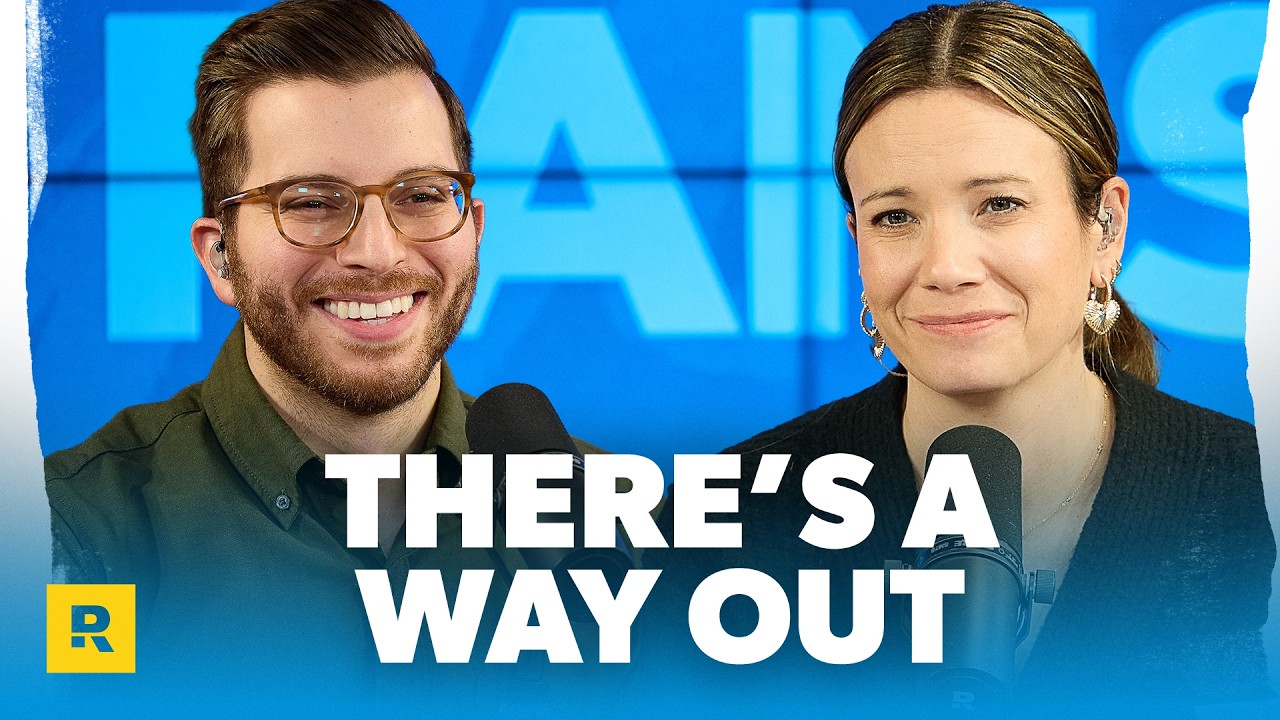
Hosts Rachel Cruz and George Camel tackle various real-life financial dilemmas, emphasizing that financial liberation often stems from a well-defined plan rather than merely feeling "stuck." The episode's core message centers on proactive financial management, strategic decision-making, and making necessary sacrifices to overcome debt and build lasting wealth.
👤 Who Should Listen
- Individuals burdened by substantial student loan or credit card debt, especially those with high interest rates.
- Couples seeking strategies to align their financial goals and communicate effectively about money, particularly regarding debt payoff.
- Families facing severe cash flow shortages and considering significant sacrifices, like selling assets or taking on additional work, to stabilize their finances.
- New homeowners encountering unexpected and costly structural or legal issues with their recently purchased property.
- Young adults aiming to aggressively pay off debt and build long-term wealth by adopting disciplined financial habits early.
- Grandparents contemplating how to best support adult grandchildren struggling financially without enabling poor money habits.
- Individuals navigating major life decisions, such as career changes, relocation, or health crises, and seeking financial guidance amidst uncertainty.
🔑 Key Takeaways
- 1.Refinancing student loans is only recommended if it's completely free, maintains a fixed or converts from a variable rate, keeps the term the same or shorter, and significantly lowers the interest rate.
- 2.When facing urgent cash flow issues, prioritize essential expenses like rent, food, utilities, and transportation before allocating funds to any other debts.
- 3.For couples to effectively tackle debt, both partners must be united on the financial goal, and expressing the emotional stress of debt can help foster alignment.
- 4.Selling depreciating assets, even those received as gifts, can provide critical cash flow to address immediate financial crises, such as Sophie's family netting $16,000 from selling their minivan.
- 5.If offered a debt settlement from a collections agency, avoid taking out a new loan; instead, save a lump sum and negotiate for a 'paid in full' settlement in writing, as advised to Amanda regarding her $10,500 debt.
- 6.When purchasing a new home, it is generally advisable to put at least 20% down to avoid Private Mortgage Insurance (PMI) and maintain lower monthly payments, cash-flowing renovations separately.
- 7.Grandparents like Lynn are advised against directly giving money to adult grandchildren in debt who have not asked for help or demonstrated a willingness to change their financial habits, as it may enable misbehavior.
- 8.Major life decisions, such as moving to a new state for family reasons, should be thoroughly researched using tools like a cost-of-living calculator to ensure financial viability before making an emotional leap.
💡 Key Concepts Explained
Debt Snowball Method
A debt-reduction strategy where individuals pay off debts in order from smallest to largest, regardless of interest rate. This method is emphasized in Rachel Cruz's book 'Breaking Free from Broke' and aims to build momentum and psychological wins to keep people motivated on their debt-free journey.
Ramsey Baby Steps
A seven-step program designed to guide individuals and families toward financial freedom. It starts with building a $1,000 emergency fund (Baby Step 1), then paying off all debt except the mortgage (Baby Step 2), and progresses through fully funding an emergency fund (Baby Step 3) and investing for retirement (Baby Step 4).
Cost of Living Calculator
An online tool used to compare expenses like housing, food, and transportation between different geographic locations. Rachel and George suggest Elizabeth use this to objectively evaluate the financial implications of moving from Seattle to Tennessee.
Trump Savings Account
A tax-deferred account for eligible children born between 2025 and 2028, initiated with a one-time $1,000 government deposit. It functions similarly to a custodial account, providing children full access and control at legal age, and can be invested for growth, though it may impact future college financial aid eligibility.
⚡ Actionable Takeaways
- →If burdened by high-interest student loan debt, actively pursue a career path with higher earning potential and growth opportunities instead of relying on unstable or seasonal jobs.
- →For those in a cash flow crisis, create a strict prioritized budget: cover rent, food, utilities, and transportation first, then identify and cut all non-essential expenses or consider selling assets.
- →Couples experiencing debt disagreement should have an honest conversation where the burdened partner expresses the emotional toll of the debt, aiming for shared commitment to a faster payoff timeline.
- →Immediately cut up all credit cards to cease debt accumulation and enforce a cash-only spending discipline, as strongly advised to Austin for his $30,000 credit card debt.
- →If a debt in collections offers a settlement, save the full negotiated amount (e.g., $5,000 in two months for Amanda) and ensure the 'paid in full' agreement is documented in writing before payment.
- →When buying a new home, allocate all available proceeds to the down payment to reach or exceed 20%, thereby avoiding PMI and freeing up monthly cash flow for future home improvements.
- →Rather than providing direct financial aid, gift adult family members struggling with debt educational resources like Financial Peace University if they are not actively seeking help or showing readiness to change.
⏱ Timeline Breakdown
💬 Notable Quotes
“Normal is broke and common sense is weird.”
“You can't return the degree.”
“Life has to go on.”
“It's not a moral issue. It's just strategically wrong to demand.”
“The conversation is if you can't pick up extra work, we're going to have to have a budget of about $3,000 to live on.”
“You're not going to be able to get out of this mess as you continue to dig out the bottom. So, cut them up tonight.”
“They don't feel any pain right now. And so you offering relief isn't going to do anything.”
Listen to Full Episode
📬 Get weekly summaries like this one
No spam. Unsubscribe anytime. By subscribing you agree to our Privacy Policy.
Continue Exploring