Diary of a CEO
STOP TOUCHING RECEIPTS IMMEDIATELY!

Episode Summary
AI-generated · Mar 2026AI-generated summary — may contain inaccuracies. Not a substitute for the full episode or professional advice.
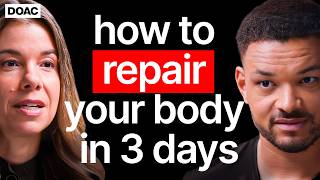
In this episode of Diary of a CEO, host Steven Bartlett welcomes biochemist and health expert Dr. Rhonda Patrick, known for her research on nutrition, brain health, and aging. Dr. Patrick unveils the pervasive threat of disrupting chemicals in everyday products and introduces the critical concept of “peak span,” urging listeners to understand and actively work to maintain their optimal physical and cognitive function over time.
Dr. Patrick immediately confronts listeners with hidden dangers in their homes, from art products to common kitchen items like plastic food containers and even receipts. She highlights the specific danger of BPA found on receipts, citing a study in adolescent boys that linked it to a 50% reduction in testosterone. The conversation then shifts to the concept of “peak span,” which Dr. Patrick defines as functioning at 90% of one's peak capacity. She explains that peak function for metrics like muscle mass, bone density, and cognitive ability typically occurs around 25 years old, followed by a steady decline.
Crucially, Dr. Patrick emphasizes that while this decline is natural, it can be significantly mitigated. She recommends specific interventions, such as exercising 5 hours a week, including high-intensity interval training (HIIT), which she claims can reverse heart aging by 20 years. Adequate sleep is also stressed as vital for preventing the rapid aging of the immune system. She begins to discuss brain aging and Alzheimer’s disease risk, though the transcript cuts off before she fully elaborates on specific strategies here.
Throughout the discussion, Dr. Patrick prompts listeners to rethink their daily habits and environments, identifying items with harmful chemicals. She also alludes to an item in hand that, if possessed, doubles the risk of early mortality, underscoring the severe impact of seemingly innocuous choices.
Listeners will walk away with a heightened awareness of environmental toxins, particularly in household items, and a clear understanding of the “peak span” concept. The episode provides actionable, research-backed strategies for maintaining peak physical and cognitive health well beyond one's mid-twenties, empowering individuals to take proactive steps against premature aging and disease risk.
👤 Who Should Listen
- Individuals concerned about hidden toxins and chemicals in their home environment.
- Anyone interested in understanding and mitigating the biological aging process.
- People seeking specific, evidence-based strategies to maintain physical and cognitive function as they age.
- Parents worried about the impact of environmental factors on their children's health and development.
- Health enthusiasts looking for high-leverage interventions to improve their longevity and 'peak span'.
🔑 Key Takeaways
- 1.Everyday products, from art supplies to kitchen plastics and receipts, can contain disrupting chemicals that negatively impact health.
- 2.BPA, commonly found on receipts, has been linked to a 50% reduction in testosterone levels in adolescent boys.
- 3."Peak span" describes the period when an individual operates at 90% or more of their peak function in areas like muscle mass, bone density, and cognition, typically peaking around age 25.
- 4.It is possible to maintain one's peak span and slow decline through specific lifestyle interventions.
- 5.Engaging in 5 hours of exercise per week, incorporating high-intensity interval training (HIIT), can reverse heart aging by 20 years.
- 6.Prioritizing sleep is crucial for preventing the rapid aging of the immune system.
- 7.Certain unidentified items in one's possession can double the risk of early mortality.
💡 Key Concepts Explained
Peak Span
Peak span is defined as the period in life when an individual is operating within 90% of their peak function across various biological markers, such as muscle mass, bone density, and cognitive abilities. Dr. Rhonda Patrick highlights this concept as crucial because these functions typically peak around 25 years old and then gradually decline, emphasizing the importance of lifestyle choices to maintain this peak for as long as possible.
⚡ Actionable Takeaways
- →Inspect your kitchen and household products for plastics and other materials that may contain disrupting chemicals, especially those used for heating food.
- →Avoid touching receipts immediately after handling them due to their BPA content, particularly if you are an adolescent or have concerns about hormone levels.
- →Aim for at least 5 hours of exercise per week, ensuring some of this includes high-intensity interval training (HIIT), to promote cardiovascular health.
- →Prioritize getting sufficient, high-quality sleep to support your immune system and slow its aging.
- →Be mindful of the materials in your daily environment and consider alternatives for items identified as problematic for health.
⏱ Timeline Breakdown
💬 Notable Quotes
“"What about a receipt? >> That's bad. that's covered with BPA and study in adolescent boys showed that it was associated with a 50% reduction in testosterone."”
“"Peak span... it's essentially being within 90% of your peak function. For example, muscle mass, bone density, that kind of peaks around 25 years old and then they kind of steadily start to decline."”
“"If you exercise 5 hours a week, do some highintensity interval training in there and you can reverse heart aging by 20 years."”
“"If you have this, it's going to double your risk of early mortality."”
More from this guest
Rhonda Patrick
Listen to Full Episode
📬 Get weekly summaries like this one
No spam. Unsubscribe anytime. By subscribing you agree to our Privacy Policy.
Continue Exploring