Diary of a CEO
They're Lying About 'Healthy' Foods & Sugar! Shocking New Research That's Harming You

Episode Summary
AI-generated · Apr 2026AI-generated summary — may contain inaccuracies. Not a substitute for the full episode or professional advice.
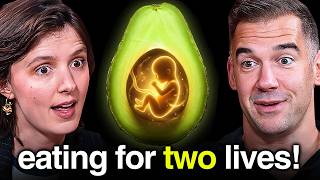
Glucose expert Jesse Inchauspé, known as the Glucose Goddess, shares groundbreaking research from her new book, "Nine Months That Count Forever: How Your Pregnancy Diet Shapes Your Baby's Future." Her central thesis is that a mother's diet during pregnancy actively "programs" a baby's DNA through epigenetic switches, significantly impacting their development and future risk of diseases like diabetes, obesity, and psychiatric disorders. Inchauspé argues that society and the food system are failing pregnant women by not providing crucial, science-backed nutritional guidance, leaving a massive gap between scientific knowledge and common advice.
The episode delves into specific nutrients and dietary pitfalls. It highlights that 90% of mothers are not getting enough choline, an essential nutrient for the baby's brain formation, which can be easily obtained by eating four eggs daily. Conversely, the conversation vehemently stresses that babies need *no fructose* (sugar from desserts, chocolate, muffins, or even orange juice) during pregnancy, citing a UK sugar ration study that linked lower maternal sugar intake to a 15% lower likelihood of type 2 diabetes in offspring. Inchauspé also introduces the "protein leverage hypothesis," explaining how insufficient protein intake keeps the body hungry and can epigenetically program a baby for smaller muscle mass throughout life, recommending 1.6 grams of protein per kilogram of body weight daily in the third trimester.
Beyond pregnancy, Inchauspé discusses how unstable glucose levels profoundly affect mood, willpower, and behavior in adults, linking glucose crashes to irritability (the "voodoo doll study"), cravings, and even compulsive behaviors like doom-scrolling. She shares practical "glucose hacks" applicable to everyone, such as eating vegetables first, moving after meals (like doing calf raises or squats), and prioritizing a savory, protein-rich breakfast. The episode also covers vital advice on alcohol (complete abstinence recommended), caffeine (under two cups a day), and the importance of omega-3s (DHA) for brain development, advocating for fish consumption and supplementation.
Inchauspé's personal experience with miscarriage fuels her passion, shedding light on its commonality and the emotional toll. She empowers listeners with the understanding that while prenatal nutrition has an outsized influence, individuals always retain agency to improve their health through diet and lifestyle choices, even if their early programming was suboptimal. The episode concludes by urging a reevaluation of food marketing, emphasizing the importance of reading ingredient lists over calorie counts, and offering a practical, affordable, trimester-by-trimester plan to optimize baby's health.
👤 Who Should Listen
- Pregnant individuals seeking evidence-based guidance on optimizing their diet for baby's health.
- Couples planning to conceive who want to understand the impact of nutrition on fertility and baby's future.
- Parents or caregivers interested in how early life nutrition can influence long-term health outcomes for children.
- Anyone struggling with sugar cravings, energy dips, or mood swings and looking for actionable strategies to balance blood sugar.
- Individuals confused by conflicting dietary advice or deceptive food marketing who want to make informed choices.
- Health practitioners and educators looking for a comprehensive overview of prenatal nutrition and its epigenetic implications.
🔑 Key Takeaways
- 1.A mother's diet during pregnancy directly "programs" the baby's DNA through epigenetic switches, influencing their future risk of diseases like diabetes, obesity, and psychiatric disorders.
- 2.90% of pregnant mothers do not consume enough choline, a nutrient crucial for brain formation, with the American Association of Pediatrics stating that a deficiency can lead to "lifelong brain deficits in the baby."
- 3.Babies need no fructose (sugar from desserts, chocolate, muffins, or fruit juice) during pregnancy; high maternal sugar intake is strongly correlated with increased risk of type 2 diabetes and psychiatric disorders in offspring.
- 4.Low protein intake during pregnancy can lead to smaller babies and an epigenetic program for reduced muscle mass throughout life, requiring about 1.6 grams of protein per kilogram of body weight per day in the third trimester.
- 5.Unstable glucose levels significantly impact adult mood, leading to 'hangry' feelings, intense cravings, and reduced willpower, potentially contributing to compulsive behaviors like doom-scrolling.
- 6.Complete abstinence from alcohol is recommended during pregnancy, as even low doses can cause permanent developmental issues like facial morphing and weaker brain connections in the child.
- 7.Glucose management strategies (e.g., eating vegetables first, moving after meals, a protein-rich breakfast) are effective for both pregnant individuals and the general population to stabilize blood sugar and improve overall health.
- 8.Pregnant women often lack sufficient omega-3s (DHA), which are vital for a baby's brain neuron connections; supplementation and consumption of fatty fish three times a week are highly recommended.
💡 Key Concepts Explained
Epigenetic Programming
Epigenetics refers to 'dimmer switches' on DNA that activate or silence genes. The episode highlights that a mother's diet during pregnancy can epigenetically program her baby's DNA, influencing vulnerability to diseases like diabetes, obesity, and psychiatric disorders throughout their life, rather than the baby being 'set in stone' at conception.
Protein Leverage Hypothesis
This theory suggests that your body will continue to signal hunger and seek food until it has received enough protein. The episode applies this to pregnancy, explaining that insufficient protein can lead to continuous cravings and epigenetically program a baby for smaller size and muscle mass, adapting to a perceived protein-poor environment.
Energy Crisis in the Prefrontal Cortex
During a glucose crash, the prefrontal cortex (responsible for willpower and executive function) 'dims the lights' to conserve energy for vital functions. This loss of executive function makes it nearly impossible to resist dopamine-driven behaviors like social media doom-scrolling or cravings for sugary foods, as the brain signals an urgent need for fuel.
⚡ Actionable Takeaways
- →Eat four eggs daily during pregnancy to ensure adequate choline intake for your baby's brain development.
- →Eliminate or drastically reduce fructose (sugar from desserts, chocolate, muffins, dried fruit, and especially fruit juice) from your diet during pregnancy, aiming for less than 25 grams of total sugar per day.
- →Consume approximately 1.6 grams of protein per kilogram of body weight daily in the third trimester of pregnancy to support your baby's growth and prevent muscle loss.
- →Implement glucose-stabilizing "hacks" like eating vegetables as a starter before meals, moving your body (e.g., calf raises, squats, a short walk) within 90 minutes after eating, and starting your day with a savory, protein-rich breakfast.
- →Avoid all alcohol during pregnancy, as there is no safe amount, and even low doses have been linked to negative developmental outcomes for the baby.
- →Supplement with 2 grams of DHA per day and consume fatty fish three times a week to provide essential omega-3s for your baby's brain development, checking formula for these if not breastfeeding.
- →Prioritize reading the ingredients list on food labels, noting items listed by weight, rather than solely focusing on calorie counts, to better understand a product's nutritional impact.
⏱ Timeline Breakdown
💬 Notable Quotes
“"With your diet during pregnancy, you're programming your baby's DNA. And this is going to have an impact on your baby's development and on their future risk of disease."”
“"Your body does not make a difference between sugar from an orange and sugar from a sugar beat that's now in a can of Coca-Cola."”
“"When you tell somebody just eat less sugar, that's that's BS. You can't just eat less sugar. You have to go fix the underlying cause, which is usually the glucose crash."”
“"Today, science knows that you're not just an oven when you're pregnant... your baby is not set in stone at conception. What happens during the nine months of pregnancy is co-creating your baby's plan, and depending on what you eat, a different baby will come out."”
More from this guest
Jesse Inchauspé
📚 Books Mentioned
Listen to Full Episode
📬 Get weekly summaries like this one
No spam. Unsubscribe anytime. By subscribing you agree to our Privacy Policy.
Continue Exploring