Topic
Best Pregnancy nutrition Podcast Episodes
Pregnancy nutrition is covered across 4 podcast episodes in our library, spanning 2 shows — including The School of Greatness, Diary of a CEO. Conversations explore core themes like epigenetic programming, placenta as not a filter, four pillars of pregnancy nutrition, drawing on firsthand experience and research from leading practitioners.
Below you'll find key insights, core concepts, and actionable advice aggregated from the top episodes — followed by a ranked list of the best pregnancy nutrition discussions to explore next.
Key Insights on Pregnancy nutrition
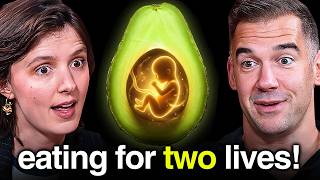
- 1.The societal myth that pregnant women should "eat for two" or consume whatever they crave because they will gain weight anyway is fundamentally backward and harmful, as every nutrient (or lack thereof) directly impacts the baby's development.
- 2.The placenta is not a filter; it largely trusts that whatever is in the mother's bloodstream belongs in the baby's bloodstream, meaning all nutrients, and harmful substances like alcohol or excessive sugar, are directly transferred.
- 3.Four key nutrients are essential for optimal baby development in the womb: choline (for brain formation), balanced glucose (enough but not too much), protein (baby is 50% protein at birth), and omega-3s (for brain health).
- 4.Ninety percent of pregnant mothers are not getting the bare minimum recommended amount of choline, a nutrient found abundantly in eggs, which is linked to potential lifelong brain deficits and even miscarriage if severely lacking.
- 5.High maternal glucose levels during pregnancy are directly correlated with high glucose levels in the baby, increasing the baby's risk of developing diabetes as an adult by up to four times, and can also program genes linked to diabetes to be turned on.
- 6.Most mothers are not consuming nearly enough protein during pregnancy, leading to their bodies breaking down maternal muscle mass to provide essential protein for the baby's growth.
Key Concepts in Pregnancy nutrition
Epigenetic programming
Epigenetics refers to 'dimmer switches' on DNA that activate or silence genes. The episode highlights that a mother's diet during pregnancy can epigenetically program her baby's DNA, influencing vulnerability to diseases like diabetes, obesity, and psychiatric disorders throughout their life, rather than the baby being 'set in stone' at conception.
Placenta as not a filter
The episode debunks the common misconception that the placenta acts as a filter, selectively allowing only necessary nutrients to pass to the baby. In reality, the placenta facilitates a close exchange between the mother's and baby's bloodstreams, largely trusting that what's in the mother's blood belongs in the baby's. This highlights why maternal diet directly delivers all substances, beneficial or harmful, to the developing fetus.
Four pillars of pregnancy nutrition
This framework identifies choline, balanced glucose, protein, and omega-3s as the four most crucial nutrients for a baby's optimal development in the womb. By focusing on these 'pillars,' mothers can create a strong nutritional foundation for their baby's brain and overall health, providing 'good soil' for their growth.
Epigenetics in pregnancy
Epigenetics refers to tiny molecular switches on our DNA that control which genes are turned on or off. During pregnancy, the mother's diet, particularly glucose levels, can program these switches in the baby's DNA. High maternal glucose, for instance, can turn on genes linked to diabetes in the baby, leading to increased long-term risk for the disease, even though the baby's core DNA remains unchanged.
Actionable Takeaways
- ✓Prioritize getting sufficient choline by consuming foods like eggs (e.g., four cooked eggs daily) or taking a choline supplement if animal products are not consumed.
- ✓Focus on balancing glucose intake during pregnancy, avoiding excessive sugar spikes, especially from processed foods, to protect the baby from potential long-term health vulnerabilities like diabetes.
- ✓Increase protein consumption to meet the elevated needs during pregnancy, aiming for approximately 1.2-1.5 grams of protein per kilo of body mass per day, and up to 1.9 g/kg during breastfeeding.
- ✓Incorporate omega-3-rich foods, such as fish, into your diet to support your baby's brain development.
- ✓Adopt the strategy of eating sweets and carbs after a meal, rather than on an empty stomach, to minimize glucose spikes and subsequent crashes that fuel cravings.
Top Episodes — Ranked by Insight (4)
The School of Greatness
Scientist REVEALS Shocking Pregnancy Research That Most Women Miss | Glucose Goddess
The societal myth that pregnant women should "eat for two" or consume whatever they crave because they will gain weight anyway is fundamentally backward and harmful, as every nutrient (or lack thereof) directly impacts the baby's development.

Diary of a CEO
They're Lying About 'Healthy' Foods & Sugar! Shocking New Research That's Harming You
A mother's diet during pregnancy directly "programs" the baby's DNA through epigenetic switches, influencing their future risk of diseases like diabetes, obesity, and psychiatric disorders.

Diary of a CEO
YOU'VE BEEN LIED TO ABOUT SUGAR!
A mother's diet during pregnancy directly programs her baby's DNA, influencing future disease risk and development.

Diary of a CEO
DARK SIDE OF GLP-1 DRUGS
One in 10 Americans has tried GLP-1 weight loss medications, raising concerns about their widespread impact [00:00].
Episodes ranked by insight density — scored on key takeaways, concepts explained, and actionable advice. AI-generated summaries; listen to full episodes for complete context.