The School of Greatness
The Truth About Anxiety
Episode Summary
AI-generated · Apr 2026AI-generated summary — may contain inaccuracies. Not a substitute for the full episode or professional advice.
This episode from The School of Greatness challenges conventional views of anxiety, positing that it is not a malfunction but rather the body's essential, protective mechanism. Instead of being a problem to be solved with 'hacks,' anxiety is presented as a vital signal from the body, indicating perceived threats to an individual's safety or well-being.
The speaker highlights specific triggers that activate this alarm system, including loneliness, the fear of job loss, and significant financial burdens such as 'six figures in student loans and a mortgage and two car payments.' In these scenarios, the body interprets these external pressures as grave dangers, acting to ensure survival.
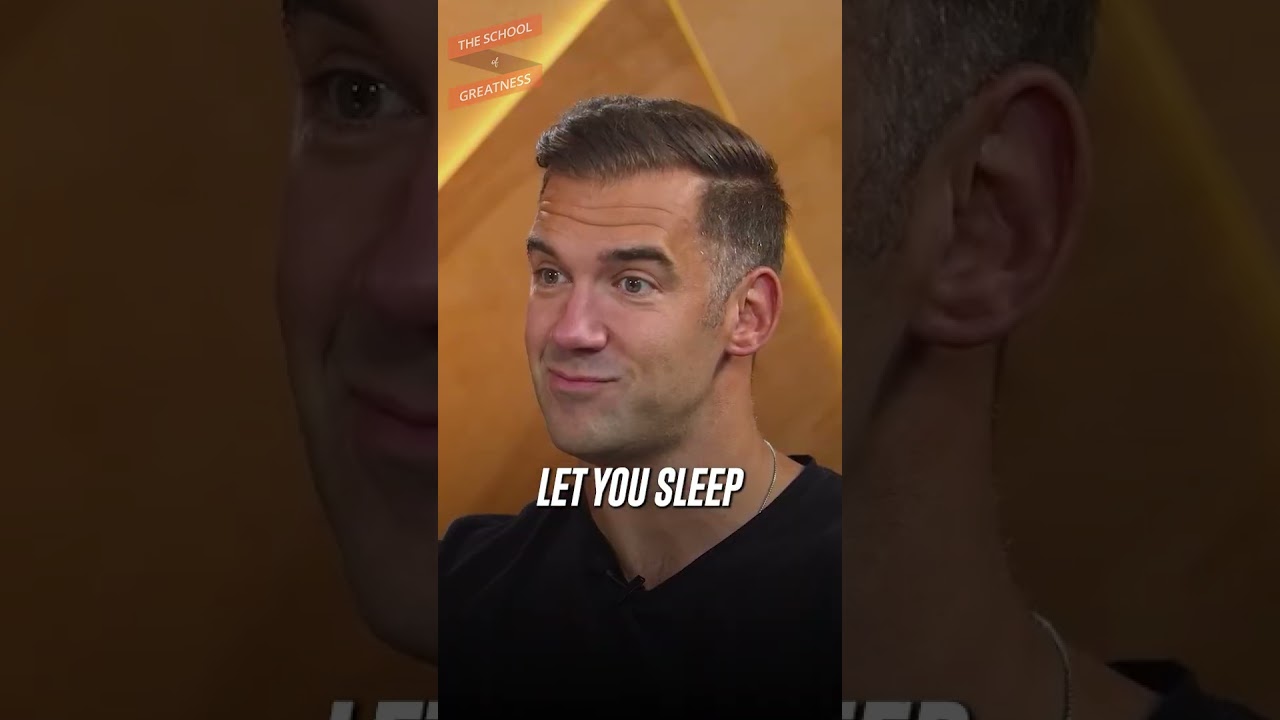
From this perspective, common symptoms like waking up at 2:30 in the morning are framed as the body 'doing its job,' rather than failing. The episode argues that the body would actually be 'failing you if it let you sleep all night' or 'sit fully present in an intimate moment with your romantic partner' when it perceives 'death is at the door.' This directly counters the impulse to suppress or ignore these signals.
The core insight offered is that the true 'work' lies in deciphering 'what's my body identifying that's not safe?' The focus shifts from symptom management to root cause identification, emphasizing that the body is communicating deeper issues that demand attention.
Listeners are encouraged to reframe their relationship with anxiety, understanding it as a guide. By addressing the underlying concerns the body is signaling, the episode promises natural outcomes like improved sleep — allowing one to 'wake up without coffee or have coffee because you want it, not because you have to have it' — and a body that inherently takes care of itself.
👤 Who Should Listen
- Anyone experiencing chronic anxiety or difficulty sleeping through the night.
- Individuals feeling overwhelmed by financial burdens, such as student loans or mortgage payments.
- People struggling with feelings of loneliness or job insecurity.
- Listeners seeking a deeper, more holistic understanding of their body's stress responses.
- Those looking to reduce their reliance on stimulants like coffee for daily energy.
- Anyone interested in reframing anxiety as a guide rather than an adversary.
🔑 Key Takeaways
- 1.Anxiety, including symptoms like waking up at 2:30 AM, is the body's protective mechanism, signaling perceived unsafety, not a malfunction.
- 2.The body would be 'failing you if it let you sleep all night' or be fully present in intimate moments when it perceives threats like loneliness or financial insecurity.
- 3.Specific stressors such as loneliness, the threat of job termination, or substantial financial debt (e.g., 'six figures in student loans and a mortgage and two car payments') activate the body's alarm system.
- 4.The phrase 'the body keeps the score' is referenced, emphasizing that physical responses are tied to deeper psychological and emotional states.
- 5.The true effort in managing anxiety involves identifying 'what's my body identifying that's not safe?' rather than seeking quick fixes for symptoms.
- 6.Addressing the root causes of perceived threats will naturally lead to better sleep and a reduced dependence on stimulants like coffee.
- 7.The body will naturally regulate itself and provide energy once its core needs for safety are met.
💡 Key Concepts Explained
Anxiety as a Protective Mechanism
This concept redefines anxiety not as an illness or flaw, but as a functional biological response. The body initiates anxiety symptoms to alert an individual to perceived dangers, whether they are physical threats or psychosocial stressors like financial insecurity or loneliness, acting to ensure the person's safety.
The Body Keeps the Score
Referenced in the episode, this idea (from the book of the same name) suggests that the body literally stores and expresses the impact of stress and trauma. It implies that physical symptoms like anxiety or sleep disturbances are manifestations of deeper issues that the body is holding onto, underscoring the mind-body connection in health.
⚡ Actionable Takeaways
- →Reframe your perception of anxiety from a problem to a signal, understanding it as your body doing its job to protect you.
- →Investigate specific life stressors, such as financial pressures or feelings of loneliness, that your body might be identifying as unsafe.
- →Instead of trying to 'hack' your sleep, recognize nighttime awakenings as an alert from your body to underlying perceived threats.
- →Actively work to identify and address the root causes of unsafety your body is signaling, rather than just suppressing symptoms.
- →Evaluate your coffee consumption, aiming to consume it out of desire rather than necessity, as your body gains natural energy from addressing core stressors.
⏱ Timeline Breakdown
💬 Notable Quotes
“It would be failing you if it let you sleep all night.”
“You're waking up at 2:30 in the morning because your body's doing its job. You're not safe.”
“The goal is to try to figure out, okay, what's my body identifying that's not safe? That's the work.”
📚 Books Mentioned
Listen to Full Episode
📬 Get weekly summaries like this one
No spam. Unsubscribe anytime. By subscribing you agree to our Privacy Policy.
Continue Exploring


