Diary of a CEO
YOU'VE BEEN LIED TO ABOUT SUGAR!

Episode Summary
AI-generated · Apr 2026AI-generated summary — may contain inaccuracies. Not a substitute for the full episode or professional advice.
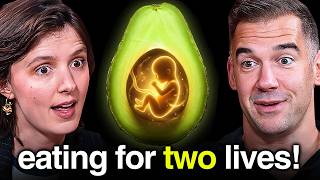
A biochemist and mother, whose name is not explicitly stated in this segment, shares the critical research she uncovered about prenatal nutrition, asserting that a mother's diet during pregnancy directly "programs your baby's DNA." This programming, she explains, profoundly impacts the baby's development and their future vulnerability to various diseases. She contends that the current food system and society are failing pregnant mothers by not providing essential guidance on vital nutrients and the dangers of certain foods, rather than placing blame on individual mothers.
She highlights several key nutritional deficiencies and their severe consequences. For instance, she states that "90% of moms are not getting enough choline during pregnancy," a nutrient she describes as "super important" because "it forms your baby's brain in the womb." To counteract this, she personally consumed a significant amount of eggs weekly, identifying them as a simple way to ensure adequate choline intake.
A central focus of her research is the detrimental effect of sugar. She firmly states, "Your baby needs no fructose during pregnancy" from sources like desserts, chocolate, muffins, or cupcakes. She explains that "very high glucose levels during pregnancy" can lead to "epigenetic switches that are programming them towards having a higher vulnerability to develop diabetes, obesity, and psychiatric disorders."
Furthermore, the biochemist emphasizes the importance of protein intake, noting that studies demonstrate "low protein diets lead to smaller babies and potentially this epigenetic programming of staying smaller throughout life." She shares her own daily protein requirements during her third trimester as an example of adequate intake, derived from these research findings.
Listeners will walk away with a stark awareness of how specific dietary choices during pregnancy can epigenetically shape a child's health trajectory, armed with actionable insights on critical nutrients to prioritize and specific foods to avoid, helping them navigate a food system she believes often works against optimal prenatal nutrition.
👤 Who Should Listen
- Pregnant individuals and their partners seeking critical dietary guidance.
- New mothers interested in the long-term health implications of prenatal nutrition.
- Anyone concerned about the impact of diet on fetal development and disease prevention.
- Individuals interested in the science of epigenetics and its practical applications.
- Parents looking for specific, research-backed advice to navigate food choices for their children's health.
🔑 Key Takeaways
- 1.A mother's diet during pregnancy directly programs her baby's DNA, influencing future disease risk and development.
- 2.90% of pregnant mothers are deficient in choline, a nutrient vital for the baby's brain formation in the womb.
- 3.Ingesting fructose and other sugars during pregnancy can lead to high glucose levels, causing "epigenetic switches" that program the baby for higher vulnerability to diabetes, obesity, and psychiatric disorders.
- 4.Low protein intake during pregnancy is linked to smaller babies and potential epigenetic programming for lifelong smaller size.
- 5.The speaker asserts that widespread deficiencies in prenatal nutrition are not the mother's fault but rather a systemic failure of the food system and society.
💡 Key Concepts Explained
Epigenetic Programming
This concept describes how environmental factors, specifically maternal diet during pregnancy, can create "epigenetic switches" on a baby's DNA. These switches influence gene expression and program future health outcomes, such as vulnerability to diabetes, obesity, and psychiatric disorders, without altering the underlying DNA sequence itself.
Choline Deficiency in Pregnancy
The episode highlights a pervasive issue where "90% of moms are not getting enough choline during pregnancy." Choline is presented as a critically important nutrient because it directly contributes to forming the baby's brain in the womb, underscoring the severity of this widespread deficiency.
⚡ Actionable Takeaways
- →Increase choline intake during pregnancy, for example, by consuming more eggs.
- →Completely avoid fructose and sugar from desserts, chocolate, muffins, and cupcakes while pregnant to prevent high glucose levels.
- →Ensure adequate daily protein intake throughout pregnancy, particularly in the third trimester.
- →Educate yourself on essential nutrients like choline, protein, and the impact of sugar to support your baby's optimal development.
- →Recognize that challenges in prenatal nutrition often stem from broader societal and food system issues, not just individual choices.
⏱ Timeline Breakdown
💬 Notable Quotes
“With your diet during pregnancy, you're programming your baby's DNA. And this is going to have an impact on your baby's development and on their future risk of disease.”
“90% of moms are not getting enough choline during pregnancy. And choline is super important. It forms your baby's brain in the womb.”
“Your baby needs no fructose during pregnancy... if you have very high glucose levels during pregnancy, scientists have found that your baby's DNA will have epigenetic switches that are programming them towards having a higher vulnerability to develop diabetes, obesity, and psychiatric disorders.”
Listen to Full Episode
📬 Get weekly summaries like this one
No spam. Unsubscribe anytime. By subscribing you agree to our Privacy Policy.
Continue Exploring