We Can Do Hard Things
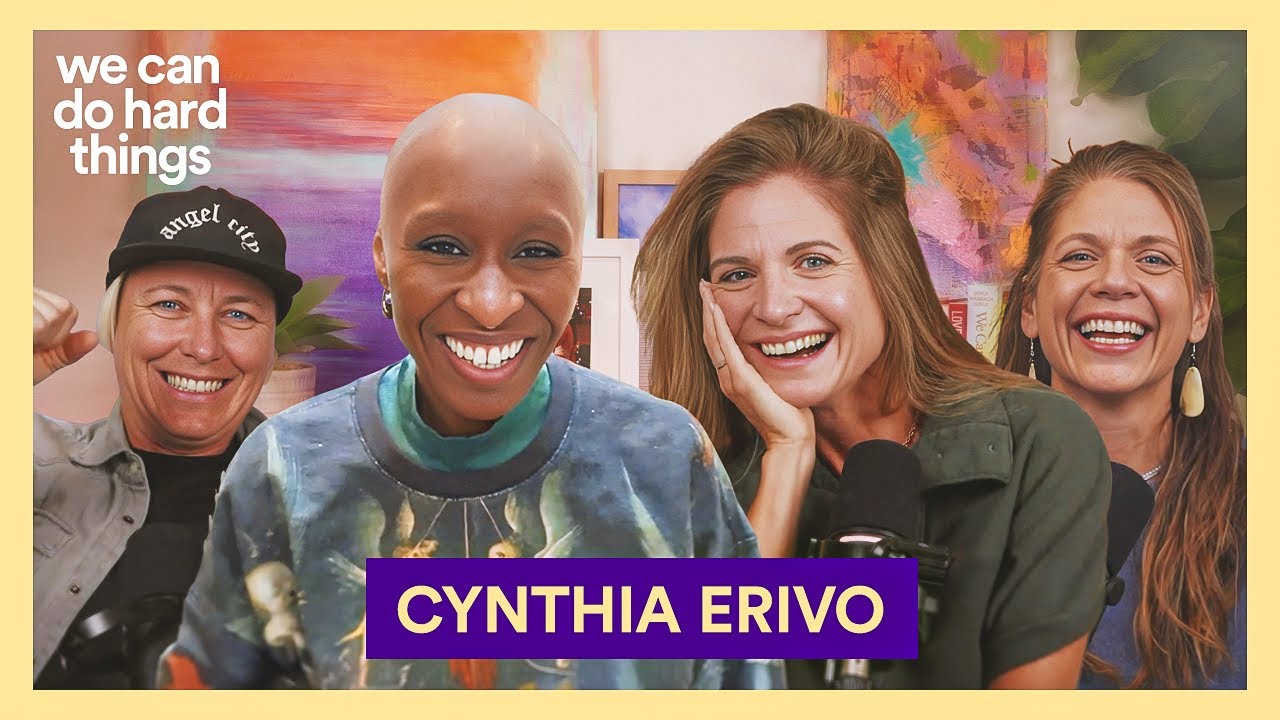
Cynthia Erivo — Wicked, Wild & Wise — is here!!!
Episode Summary
AI-generated · Mar 2026AI-generated summary — may contain inaccuracies. Not a substitute for the full episode or professional advice.
Cynthia Erivo, the Grammy, Emmy, and Tony Award-winning actress, singer, and producer, known for her breakout role in *The Color Purple* and most recently as Alphaba in *Wicked*, joins "We Can Do Hard Things" to discuss her new book, *Simply More*. This episode delves into Erivo’s deeply personal journey of cultivating self-respect, embracing her authentic "too muchness," and learning to trust and ask for help after profound early life experiences. Her central thesis is a commitment to dignity and truth, both on and off stage, allowing her to show up fully as herself in every aspect of life.
Erivo illustrates her philosophy through compelling personal anecdotes, such as her ritual of getting dressed up for bed in matching loungewear and robes, a practice she sees as a daily act of self-love and intentionality, irrespective of who sees her [02:02, 04:03]. She reveals how a traumatic abandonment by her father at age 16 left her feeling "closed off" and unable to ask for help, a pattern she actively worked to dismantle through therapy, particularly when overwhelmed during her *Color Purple* success [21:24, 25:31, 26:33]. This struggle to trust and accept assistance informed her nuanced understanding of the Glinda/Alphaba dynamic, recognizing that journeys to shared destinations often unfold at different paces [17:19].
A pivotal moment for Erivo was a drama school experience where she was asked to sing behind a curtain for other, sick performers, making her feel "invisible" and ashamed of misusing her gift [28:37, 29:40]. This fueled her "daily commitment to be seen," influencing her insistence on presenting her true self, even without makeup, ensuring people "actually see me" [31:42, 32:43]. She champions her "too muchness" as an embrace of creativity and authenticity, from her distinctive nails—which she argues foster connection rather than push people away—to her habit of asking "why" in meetings, believing genuine inquiry leads to better decisions and prevents getting "down any road that you're on the wrong road" [33:45, 35:48, 38:51].
Erivo also challenges conventional acting approaches, deeming method acting dangerous, especially for women playing roles that often involve trauma. Instead, she advocates for "mining the things that I already understand" and funneling them through her body [42:19, 44:02]. Her experience playing Jesus in *Jesus Christ Superstar* exemplified this, as she grounded the performance in human experiences of pain, love, and fear, facing both intense excitement and anger from audiences but focusing on the faith's core message of love [45:02, 47:09]. She interpreted critical feedback from other women not as a personal slight, but as a reflection of their own internalized limitations and beliefs [52:14].
Listeners will walk away with a profound appreciation for living an intentional, authentic life, understanding that personal growth often stems from confronting past hurts. Erivo’s journey inspires embracing one’s full self, including the "rough parts," as a continuous "offering" to the world, demonstrating that even from darkness, brightness and joy can always be found [57:24, 58:50].
👤 Who Should Listen
- Fans of Cynthia Erivo's work, especially *Wicked*, seeking deeper insight into her artistic process and personal philosophy.
- Individuals struggling with trust issues or an inability to ask for help, looking for guidance on overcoming past traumas.
- Anyone interested in the intersection of authenticity, self-respect, and creative expression in a public-facing career.
- People seeking inspiration on embracing their "too muchness" and standing firm in their unique identity against societal pressures.
- Those who want to explore themes of faith, love, and human connection through a unique artistic lens.
🔑 Key Takeaways
- 1.Cynthia Erivo exemplifies self-respect through her intentional daily rituals, such as dressing in matching pajamas or loungewear at home, viewing these choices as moments "just for me" [02:02, 04:03].
- 2.A traumatic experience at age 16 with her father led Erivo to develop a deep-seated distrust and an inability to ask for help, coloring her life until she began therapy in her mid-20s [21:24-26:33].
- 3.Erivo believes true acting is telling the truth, and she finds method acting dangerous, especially for women, because many female roles involve trauma that should not be re-experienced for performance [42:59-45:02].
- 4.Her "too muchness" is an embrace of her authentic self, including questioning "why" frequently in discussions and expressing herself creatively through fashion and distinctive nail art [33:45, 38:51].
- 5.Erivo interprets criticism from other women as a reflection of their own internal limitations and past experiences, rather than a personal attack on her [52:14-53:18].
- 6.Playing Jesus in *Jesus Christ Superstar* was a terrifying but ultimately faith-affirming experience for Erivo, as she focused on channeling the human aspects of the character and the core message of love [45:02-48:09].
💡 Key Concepts Explained
Too Muchness
Cynthia Erivo's term for fully embracing and expressing her authentic self, including her distinctive style, her willingness to question "why" in various contexts, and her overall approach to life. The episode presents it as a commitment to revealing one's true self, even the "rough parts," rather than conforming or shrinking [37:49, 38:51].
Authenticity in Acting
Erivo defines acting as telling the truth, distinguishing it from method acting, which she considers dangerous, especially for women portraying traumatic roles. Her approach involves "mining the things that I already understand" and channeling them through her body to portray a character, rather than reliving experiences [42:59, 44:02].
⚡ Actionable Takeaways
- →Commit to daily acts of self-respect that are "just for you," such as choosing comfortable and aesthetically pleasing loungewear for home, regardless of whether others see it [02:02, 04:03].
- →Practice asking "why" in conversations and meetings to ensure genuine understanding and alignment, even if it makes others uncomfortable [34:47-35:48].
- →Reframe situations where people put limitations on you; recognize that their criticism often stems from their own internalized beliefs and experiences [52:14-53:18].
- →Cultivate genuine connections by taking the time to truly get to know people, asking about their lives and remembering details, rather than offering superficial affection [32:43-33:45].
- →Actively seek out help when overwhelmed, acknowledging that you don't have to navigate challenging situations entirely on your own [26:33].
- →Embrace your "too muchness" by expressing your unique personality through personal style and creative outlets, viewing them as conversation starters rather than barriers [38:51-39:53].
⏱ Timeline Breakdown
💬 Notable Quotes
“"I don't know what going out clothes are. I have none. I have very many clothes that I love. There are no clothes that I save for going out. There are no clothes that I save for being in the house. It's all lovely. I wear it all whenever I feel like wearing it. That's it." [39:53]”
“"Because I believe that to act is actually to tell the truth." [42:19]”
“"I am mining the things that I already understand, the things that I already know and and funneling them through my body into whoever I'm playing." [44:02]”
“"To love one another as you would be loved. To do unto another as you would have done unto you. We are all and we are all made in the likeness of God... So if I know that's the truth, there's no reason I should be terrified of playing this role because it's already it's already a part of me." [48:09]”
More from this guest
Cynthia Erivo
📚 Books Mentioned
Listen to Full Episode
📬 Get weekly summaries like this one
No spam. Unsubscribe anytime. By subscribing you agree to our Privacy Policy.
Continue Exploring


