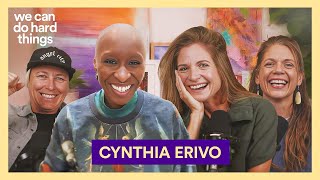
We Can Do Hard Things
We're Moving Back To Audio...Join Us!

Episode Summary
AI-generated · Mar 2026AI-generated summary — may contain inaccuracies. Not a substitute for the full episode or professional advice.
In this episode, Glennon Doyle, joined by her co-hosts, announces a significant shift for the "We Can Do Hard Things" podcast: a return to an audio-only format after an experimental period on YouTube. Doyle explains her initial motivation to "try new things" (referencing Daniel Tiger's famous song) and explore "embodiment" through video, but ultimately found the medium to be counterproductive to her well-being and the show's core mission.
DGlennon articulates a profound discomfort with video, describing the experience as sending an "avatar" of herself "undefended" onto the internet. She felt the constant awareness of her visual appearance, a "double consciousness," distracted from genuine engagement, not only for herself but also for guests, particularly women who face heightened societal expectations regarding their presentation. This added layer of self-monitoring, she argues, hindered the authentic, intimate conversations that are the hallmark of their podcast.
Her co-hosts affirm this decision, emphasizing that the show's ultimate goal is the "intimacy and vulnerability of the conversations," which was inadvertently compromised by the video format for Glennon. They frame the change not as a failure, but as a deliberate "rerouting" to the most effective medium for their work, recognizing that Glennon is "most embodied when you are not hyper aware of the way you will be visually received." The podcast will continue to release new episodes on audio platforms like Apple and Spotify.
Ultimately, this episode extends an invitation to listeners: to embrace the idea of "rerouting" in their own lives. If something isn't working as anticipated, even after initial commitment, the hosts encourage listeners to grant themselves permission to pivot, prioritize their well-being, and choose the "best lane" for their most authentic and impactful work, rather than feeling obligated to persist in a path that no longer serves them.
👤 Who Should Listen
- Current listeners of "We Can Do Hard Things" curious about the format change.
- Podcast creators weighing the benefits and drawbacks of video versus audio formats.
- Individuals who feel pressure to maintain a certain image or persona in public or digital spaces.
- Anyone considering changing course in a personal or professional endeavor after initial commitment.
- Women navigating the unique societal expectations placed on their appearance in media or public-facing roles.
- People interested in the intersection of digital communication, authenticity, and personal well-being.
🔑 Key Takeaways
- 1.The "We Can Do Hard Things" podcast is discontinuing its video format on YouTube and returning to audio-only episodes on traditional podcast platforms.
- 2.Glennon Doyle found the video medium detrimental to her personal well-being, feeling like she sent an "avatar" of herself "undefended" into the world.
- 3.The video format created a "double consciousness" for Glennon and guests, particularly women, as the awareness of visual appearance hindered authentic conversation and vulnerability.
- 4.The co-hosts support the decision, stating that the podcast's ultimate goal is "intimacy and vulnerability of the conversations," which is best achieved through audio for Glennon.
- 5.The shift is presented not as a failure but as a necessary "rerouting" to the "best lane" where Glennon and the team can do their most authentic work.
- 6.Listeners are encouraged to apply this principle to their own lives, giving themselves permission to change course if something isn't working, even if it feels "silly" after an initial commitment.
💡 Key Concepts Explained
Embodiment
Initially pursued through video to foster a greater sense of presence, Glennon Doyle ultimately discovered that she feels "most embodied when you are not hyper aware of the way you will be visually received." The episode redefines embodiment not as physical presence, but as a state of authentic self-awareness unhindered by external judgment.
Double Consciousness
This concept describes the distracting mental state of being aware of one's appearance and how one is being perceived while trying to engage in conversation. Glennon Doyle argues that video podcasting fosters this "double consciousness," especially for women, detracting from genuine engagement and vulnerability for both hosts and guests.
Rerouting
Presented as an alternative to 'failure,' 'rerouting' is the act of deliberately changing course when an initial path or decision isn't serving its intended purpose or one's well-being. The episode positions it as a brave and necessary act of self-protection and a commitment to doing one's best work, rather than suffering through suboptimal conditions.
⚡ Actionable Takeaways
- →Reflect on areas in your life where you might be experiencing a "double consciousness" or discomfort due to external pressures, particularly regarding appearance or presentation.
- →Evaluate if the mediums or methods you use for communication and connection are truly facilitating intimacy and vulnerability, or if they are adding unnecessary cognitive load.
- →Consider whether you are prioritizing external validation or adherence to past commitments over your authentic well-being and ability to perform your "best work."
- →Give yourself permission to "reroute" and change direction in your endeavors, even if you've publicly committed to a different path, if it no longer serves you.
- →Prioritize self-awareness to identify the environments or formats where you feel most "embodied" and authentic, rather than being hyper-aware of how you are visually perceived.
⏱ Timeline Breakdown
💬 Notable Quotes
“"I also want to be a person who after I try the new thing, if it doesn't feel good, I would like to say no thank you anymore."”
“"This is weird, but since we started this video and feel like I just sent a little avatar of myself out into the world undefended."”
“"The intimacy and vulnerability of the conversations is our ultimate goal. And so we are rerouting rerouting and we're going over back to audio where we can have that kind of most authentic conversation."”
“"I think you have realized about yourself that you are most embodied when you are not hyper aware of the way you will be visually received."”
“"We invite you be silly with us and reroute the way you need to go because that's what we're doing and that's all we've ever promised to do is reroute back to the path where we can do our best work as many times as necessary."”
Listen to Full Episode
📬 Get weekly summaries like this one
No spam. Unsubscribe anytime. By subscribing you agree to our Privacy Policy.
Continue Exploring