We Can Do Hard Things
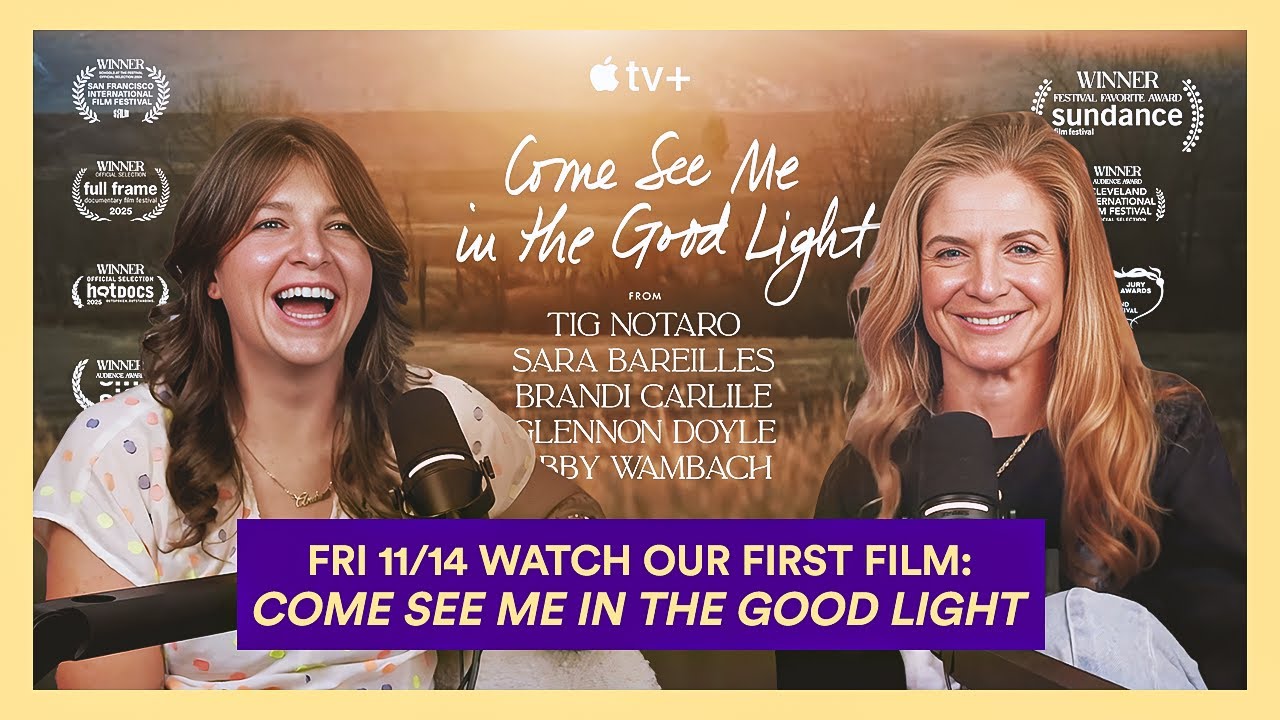
Watch OUR 1ST FILM – Come See Me in the Good Light – 11/14: Meg Falley (& Andrea Gibson)
Episode Summary
AI-generated · Mar 2026AI-generated summary — may contain inaccuracies. Not a substitute for the full episode or professional advice.
Megan Falley, a poet and writer, joins the podcast to share the profound, mystical experience surrounding the life, alleged death, and awakening of her partner, the renowned poet Andrea Gibson. The episode unpacks their 11-year relationship, focusing on the transformative four years following Andrea's aggressive ovarian cancer diagnosis, and introduces their new film, "Come See Me in the Good Light," which documents this period.
Falley describes how Andrea's diagnosis completely shifted their relationship, reigniting a "love trance" (06:08) akin to the beginning of a romance. She details Andrea's remarkable "awakening," wherein the poet became the person they always aspired to be, aligning fully with their values and finding peace amidst their illness. Falley, as a "relentlessly hopeful little engine" (40:08), explains how her presence allowed Andrea to embrace this new self without being anchored to past versions, leading to what Falley now calls the "miracle" of those four years (11:18).
The conversation delves into the sacred final days of Andrea's life, where Falley describes herself as the "curator" (22:36) of Andrea's death experience, orchestrating a community of loved ones. Andrea's last full statement, "I [ __ ] loved my life" (14:23), is highlighted as a perfect final line to their life's poem. Falley also shares deeply personal experiences of connection after Andrea's passing, including symbolic lightning, which Andrea referenced in their poetry book "You Better Be Lightning" (29:49), and mysterious technological occurrences.
Ultimately, Falley reveals how Andrea's final project, a newsletter titled "Things That Don't Suck" (41:11), ironically conceived before their diagnosis, became a prophetic framework for finding joy in the face of death. She continues this project, embracing Andrea's legacy by seeking out the beautiful even in profound grief. The film, "Come See Me in the Good Light," aims to share this epic love story, offering viewers "video evidence" (54:30) of joy amidst hardship and inspiring them to "love better" (66:43).
👤 Who Should Listen
- Anyone navigating profound grief or the loss of a loved one.
- Individuals coping with chronic or terminal illness, either personally or as a caregiver.
- Couples seeking inspiration for deep, transformative love and connection.
- Fans of poetry, particularly the work of Andrea Gibson, and those interested in how art intersects with life and death.
- People exploring spiritual awakening, alignment with values, and a shift in perception about death.
- Those looking for insight into finding joy and meaning amidst challenging life circumstances, as captured in the film "Come See Me in the Good Light."
🔑 Key Takeaways
- 1.Andrea Gibson's aggressive ovarian cancer diagnosis led to a profound "awakening" that transformed their relationship with Meg Falley, renewing their love and deepening their connection (06:08).
- 2.Andrea came to embody their core values and desired self during their illness, achieving a deep state of peace and alignment, which Falley considers the true "miracle" (11:18, 15:26).
- 3.Meg Falley describes her role during Andrea's final days as the "curator" of their death experience, ensuring it was filled with love and community, reflecting Andrea's wishes (22:36).
- 4.Andrea's powerful last full statement, "I [ __ ] loved my life," is described as a poignant and perfect summation of their existence (14:23).
- 5.Falley experiences signs of Andrea's continued presence, including unexpected lightning storms and digital communications, which she interprets as creative and loving messages from the afterlife (31:52, 38:01).
- 6.The documentary "Come See Me in the Good Light" captures the authentic, often goofy, side of Andrea Gibson that was previously known only to their closest friends (49:22).
- 7.Andrea's pre-diagnosis commitment to a newsletter called "Things That Don't Suck" became a prophetic framework for finding joy and purpose even in terminal illness, a project Meg Falley now continues (41:11, 42:12).
- 8.Falley believes that Andrea's philosophy on death, which suggests we are "reincarnated in those we love while they are still alive," has dramatically lessened her fear of death and guides her moral compass (68:47, 70:52).
💡 Key Concepts Explained
Language's Limitations and Impeccable Truth
Meg Falley highlights her awareness of language's inherent limitations in expressing profound feelings and mystical experiences. Despite this, she emphasizes the critical importance of using language as a tool to communicate "an impeccable truth" (04:06), carefully choosing words to precisely convey meaning.
Awakening/Enlightenment through Illness
This concept describes Andrea Gibson's profound transformation after their cancer diagnosis, where the "gap" (18:35) between their wounded, traumatized self and their "unwounded, untraumatized core essence" (18:35) lessened and became "invisible." This awakening allowed Andrea to fully embody the values they had always strived for, finding deep peace and presence.
Things That Don't Suck
Originally a newsletter project Andrea Gibson committed to before their cancer diagnosis (41:11), "Things That Don't Suck" became a guiding philosophy. It provided a structure for finding joy and beauty even amidst terminal illness, focusing on gratitude and positive experiences. Meg Falley continues this project in Andrea's honor after their death, using it to navigate her own grief (42:12).
⚡ Actionable Takeaways
- →Strive to communicate with "impeccable truth" (04:06), consciously choosing language that accurately reflects your deepest feelings and meanings.
- →Embrace present-moment awareness, as Andrea did by finding joy in simple acts like "sitting here and being at peace looking at the squirrels in our yard" (16:27).
- →In times of caregiving or supporting a loved one through a difficult transition, consider how you can "curate" their experience to align with their deepest desires and values (22:36, 24:40).
- →Actively look for joy and things "that don't suck" (42:12) even amidst profound loss or challenge, adopting Andrea Gibson's mindset.
- →Reframe your understanding of death by considering that loved ones may continue to be "reincarnated in those we love while they are still alive" (68:47), influencing your actions and moral compass.
- →Seek out art and poetry that feels "true enough" (75:57) to revive your spirit, as Andrea Gibson's work did for Glennon Doyle during her dark night of the soul.
- →When faced with difficult truths, follow Andrea's philosophy that "even when the truth isn't hopeful, the telling of it is" (80:02).
⏱ Timeline Breakdown
💬 Notable Quotes
“"It's so important for me to use that tool to communicate an impeccable truth." (04:06)”
“"I [ __ ] loved my life." (14:23)”
“"I am doing everything that I've ever wanted to do with my life right now." (16:27)”
“"Why didn't no one tell us that um to die is to be reincarnated in those we love while they are still alive?" (68:47)”
More from this guest
Megan Falley
Listen to Full Episode
📬 Get weekly summaries like this one
No spam. Unsubscribe anytime. By subscribing you agree to our Privacy Policy.
Continue Exploring